
Blog
Mushrooms Lab-MDMA vs Molly: A Comprehensive Comparison Guide
Apr
In the world of recreational substances, few topics generate as much confusion as the MDMA vs Molly debate. Many people mistakenly believe these are different substances, when in reality, understanding MDMA and Molly requires recognizing that Molly is simply a street name for MDMA. This comprehensive guide will explore the MDMA vs Molly distinction while examining various aspects of these substances. When considering MDMA and Molly, it’s important to understand that both refer to the same chemical compound, 3,4-methylenedioxymethamphetamine. The MDMA vs Molly comparison reveals more about marketing and perception than actual chemical differences. Throughout this MDMA and Molly exploration, we’ll address key questions that arise when discussing MDMA and Molly.
Understanding MDMA vs Molly: The Basic Distinction
The fundamental MDMA vs Molly question begins with terminology. MDMA is the chemical name for the substance, while Molly is a street name that emerged in the 2000s. The MDMA vs Molly confusion stems from marketing claims that Molly was pure MDMA compared to Ecstasy pills. When examining MDMA vs Molly, we find that both forms can be adulterated with other substances. The MDMA vs Molly comparison reveals that purity claims about Molly are often misleading.
Understanding MDMA and Molly helps consumers recognize that both carry similar risks. The MDMA vs Molly discourse has evolved as drug markets have changed. When considering MDMA and Molly, remember that they are essentially the same substance with different names.
What Does Molly MDMA Look Like?
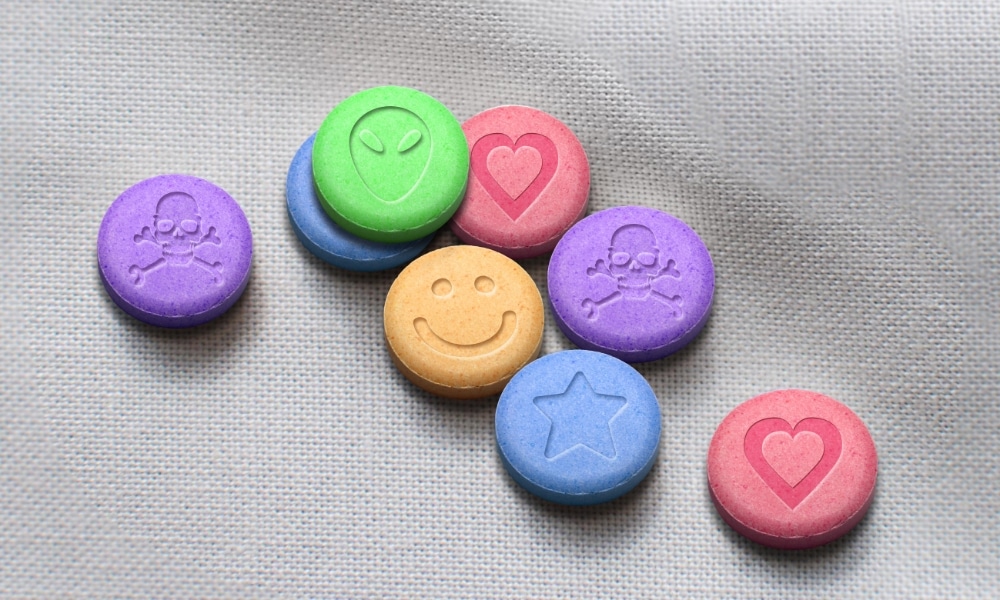
Physical appearance is important in the MDMA vs Molly discussion. When asking what does Molly MDMA look like, we typically find Molly sold as a crystalline powder in capsules. The MDMA and Molly appearance difference is notable – MDMA in pill form (Ecstasy) comes in various colors with logos, while Molly is usually a white or off-white powder. What does Molly MDMA look like varies by batch, but it’s generally sold as a fine powder. The MDMA and Molly presentation affects how people perceive and consume these substances. When considering what does Molly MDMA look like, remember that appearance doesn’t indicate purity.
The MDMA vs Molly form factor influences consumption methods. What does Molly MDMA look like can range from crystalline to powder, sometimes with slight color variations. The MDMA and Molly appearance has become a marketing tool in drug markets.
Ecstasy vs MDMA: Understanding the Relationship
The Ecstasy vs MDMA comparison is similar to the MDMA vs Molly discussion. Ecstasy typically refers to MDMA in pill form, often with colorful appearances and logos. The ecstasy vs MDMA distinction is primarily about form rather than substance. When examining ecstasy vs MDMA, we find that Ecstasy pills historically contained MDMA but now often include other substances. The ecstasy vs MDMA comparison reveals changing market practices over time. Understanding ecstasy vs MDMA helps consumers recognize potential risks. The ecstasy vs MDMA form factor affects how people dose and consume these substances. When considering ecstasy vs MDMA, remember that pill form allows for easier adulteration. The ecstasy vs MDMA relationship demonstrates how street names evolve around the same chemical compound.
How Long Does MDMA Last?
Duration is a key factor in the MDMA vs Molly experience. How long does MDMA last typically ranges from 3-5 hours for effects, with aftereffects lasting longer. The MDMA and Molly duration is essentially identical since they’re the same substance. How long does MDMA last depends on dose, purity, and individual metabolism. The MDMA vs Molly experience timeline includes onset, peak effects, and comedown phases. How long does MDMA last influences users’ consumption patterns and potential risks. The MDMA vs Molly duration affects scheduling and planning for users. How long does MDMA last can vary based on whether it’s taken orally or through other methods. The MDMA and Molly experience timeline is consistent across forms when purity is equivalent.
MDMA Dosage Guidelines
Understanding MDMA dosage is crucial for safety in the MDMA vs Molly discussion. Typical MDMA dosage ranges from 50-150mg for oral consumption, with experienced users sometimes taking higher amounts. The MDMA vs Molly dosing differs slightly due to form factor – Molly powder allows for more precise measurement than pills. MDMA dosage affects both the intensity and duration of effects. The MDMA vs Molly dosing considerations include body weight, tolerance, and purity. MDMA dosage miscalculation contributes to overdose risks. The MDMA and Molly dosing precision is better with Molly powder compared to Ecstasy pills. MDMA dosage guidelines emphasize starting with lower amounts and waiting before redosing.
MDMA Overdose Risks
MDMA overdose is a serious concern in the MDMA vs Molly conversation. Signs of MDMA overdose include hyperthermia, seizures, and loss of consciousness. The MDMA vs Molly overdose risk increases with higher doses and combination with other substances. MDMA overdose can lead to organ failure and death in severe cases. The MDMA vs Molly purity uncertainty contributes to overdose potential. MDMA overdose symptoms require immediate medical attention. The MDMA vs Molly overdose risk is higher when users mistake potency or adulterants.
MDMA overdose prevention includes testing substances and proper hydration. The MDMA and Molly context doesn’t change overdose risks significantly.
MDA vs MDMA: Understanding Related Compounds
The MDA vs MDMA comparison is relevant to the MDMA vs Molly discussion. MDA vs MDMA differences include MDA being more hallucinogenic with longer duration (6-8 hours vs 3-5 hours for MDMA). The MDA vs MDMA chemical similarity means they’re sometimes substituted for each other. MDA vs MDMA effects comparison shows MDA produces stronger visual distortions while MDMA creates more euphoria. The MDA vs MDMA risk profile differs slightly due to duration and intensity. MDA vs MDMA substitution can occur without users’ knowledge, affecting the MDMA vs Molly experience. The MDA vs MDMA distinction helps users understand unexpected effects. MDA vs MDMA chemical differences influence the subjective experience and potential risks.
MDMA Drug Test Detection
MDMA drug test detection is important in the MDMA vs Molly context. MDMA drug test methods include urine, blood, and hair analysis. MDMA and Molly detection window is typically 2-5 days in urine, depending on usage patterns. MDMA drug test sensitivity varies by testing method and individual metabolism. The MDMA and Molly form doesn’t significantly affect detection times. MDMA drug test results can be influenced by hydration and other factors. The MDMA vs Molly comparison doesn’t change detection parameters. MDMA drug test considerations are important for employment or legal situations. MDMA and Molly discussion should include awareness of detection windows.
How Can You Take MDMA?
How can you take MDMA relates to the MDMA vs Molly form factor. Common methods for how can you take MDMA include oral consumption of pills/capsules, insufflation of powder, or less commonly, injection. The MDMA vs Molly form influences preferred administration methods. How can you take MDMA affects onset time and intensity of effects. MDMA and Molly consumption patterns vary by cultural context and availability. How can you take MDMA safely includes avoiding certain methods that increase risks. The MDMA vs Molly administration route impacts both experience and health risks. How can you take MDMA properly requires understanding dosage and purity.
MDMA Test Kit Importance
MDMA test kit usage addresses the MDMA vs Molly purity question. MDMA test kit options include Marquis, Mandelin, and Simon’s reagents. The MDMA vs Molly testing helps identify presence of MDMA and common adulterants. MDMA test kit results provide some safety information but not complete purity profiles. MDMA and Molly testing market has grown as harm reduction practices spread. MDMA test kit limitations include inability to detect all possible substances. The MDMA and Molly safety conversation should include testing as a harm reduction tool. MDMA test kit accessibility has improved through online retailers and harm reduction organizations.
How Do I Take MDMA Safely?
How do I take MDMA safely is an important question in the MDMA and Molly context. How do I take MDMA safely includes starting with low doses, testing substances, and avoiding certain combinations. The MDMA and Molly safety considerations are similar regardless of form. How do I take MDMA safely also involves proper hydration and environment. MDMA and Molly risk factors include temperature regulation and serotonin syndrome. How do I take MDMA responsibly includes spacing out use to allow neurochemical recovery. MDMA and Molly safety conversation should emphasize harm reduction practices. How do I take MDMA with minimal risk requires education and preparation.
How Long Do MDMA Stay in Your System?
How long do MDMA stay in your system affects the MDMA and Molly discussion. How long do MDMA stay in your system depends on metabolism, frequency of use, and testing method. The MDMA and Molly detection window is typically 2-4 days in urine for occasional users. How long do MDMA stay in your system extends longer for chronic users.
The MDMA vs Molly form doesn’t significantly alter metabolism or detection times. How long do MDMA stay in your system is influenced by individual factors like body mass and kidney function. The MDMA vs Molly conversation should include awareness of these detection windows. How long do MDMA stay in your system becomes longer with repeated use due to accumulation. The MDMA and Molly metabolic pathway remains consistent regardless of form.
How to Make MDMA: Production Information
How to make MDMA is a question that arises in the MDMA vs Molly discussion. How to make MDMA involves complex chemical processes starting from safrole oil. The MDMA vs Molly production requires significant chemistry knowledge and specialized equipment. How to make MDMA is illegal in most countries and carries severe penalties. The MDMA and Molly synthesis process is dangerous and potentially explosive. How to make MDMA information is often sought by those interested in production rather than consumption.
The MDMA and Molly manufacturing quality varies significantly by producer. How to make MDMA safely requires laboratory conditions and expertise. MDMA and Molly production discussion highlights the dangers of illicit manufacturing.
Is MDMA Legal? Legal Status Overview
Is MDMA legal is a fundamental question in the MDMA and Molly conversation. Is MDMA legal depends on jurisdiction – in most countries, it’s classified as a Schedule I substance with no medical use. The MDMA and Molly legal status is identical since they’re the same substance. Is MDMA legal medically is changing as clinical trials explore therapeutic applications for PTSD. The MDMA and Molly legal consequences for possession vary by country and quantity. Is MDMA legal anywhere globally is limited to specific research contexts.
The MDMA vs Molly legal landscape is evolving as medical research progresses. Is MDMA legal for recreational use remains prohibited in virtually all jurisdictions. The MDMA and Molly legal status affects both availability and criminal justice implications.
Sex on MDMA: Enhanced Experiences
Sex on MDMA is a significant aspect of the MDMA vs Molly discussion. Sex on MDMA is often described as more intimate, connected, and pleasurable due to the substance’s empathogenic effects. The MDMA vs Molly experience enhances tactile sensations and emotional connection during sexual activity. Sex on MDMA can lead to longer sessions due to delayed orgasm. The MDMA vs Molly form doesn’t significantly change sexual experiences. Sex on MDMA may increase risk-taking behaviors and potentially affect sexual health decisions.
The MDMA vs Molly context for sexual activity includes both positive and negative aspects. Sex on MDMA is sometimes specifically sought for its reported enhancement of intimacy. The MDMA and Molly discussion should acknowledge this important aspect of use.
MDMA Porn: Media Consumption Patterns
MDMA porn represents a specific niche in the MDMA vs Molly conversation. MDMA porn typically refers to pornography created to be watched while under the influence of MDMA. The MDMA and Molly context includes how substances affect media consumption patterns. MDMA porn often emphasizes emotional connection and intimacy rather than purely physical acts. The MDMA and Molly experience may alter perception of and response to sexual media. MDMA porn consumption patterns differ from sober viewing due to the substance’s effects.
The MDMA vs Molly discussion includes how substances shape sexual expression and media preferences. MDMA porn represents a specialized intersection of substance use and sexuality. The MDMA and Molly context affects how users interact with sexual content.
MDMA vs Molly: Harm Reduction Strategies
The MDMA vs Molly comparison requires discussing harm reduction. MDMA and Molly harm reduction includes testing substances, proper dosing, and avoiding dangerous combinations. MDMA and Molly safety practices emphasize hydration without overhydration and temperature regulation. The MDMA and Molly harm reduction approach recognizes that people will use these substances regardless of legal status. MDMA and Molly education should include accurate information about effects and risks.
The MDMA vs Molly harm reduction conversation must be non-judgmental and practical. MDMA and Molly safety includes spacing out use to allow neurochemical recovery. The MDMA and Molly discussion should acknowledge that while abstinence is safest, not everyone will choose that path.
MDMA vs Molly: Neurochemical Effects
The MDMA vs Molly neurochemical profile is identical since they’re the same substance. MDMA and Molly primarily affects serotonin, dopamine, and norepinephrine systems. MDMA and Molly causes massive release of serotonin while blocking its reuptake, creating the characteristic euphoria and empathy. The MDMA and Molly neurochemical impact explains both desired effects and potential risks. MDMA and Molly use depletes serotonin stores, leading to the post-use crash.
The MDMA vs Molly neurotoxicity concerns relate to potential damage to serotonin neurons. MDMA and Molly affects brain regions involved in emotion, memory, and reward processing. The MDMA and Molly neurochemical understanding helps explain both therapeutic potential and risks.
MDMA vs Molly: Psychological Effects
The MDMA vs Molly psychological experience includes euphoria, increased empathy, and altered perception. MDMA vs Molly reduces fear responses while enhancing feelings of connection to others. The MDMA and Molly psychological state is often described as entactogenic – touching within. MDMA and Molly can enhance appreciation of music, visual arts, and tactile sensations.
The MDMA vs Molly experience sometimes includes mild visual distortions but typically not full hallucinations. MDMA and Molly effects on consciousness are less profound than classic psychedelics but more than simple stimulants. The MDMA and Molly psychological impact explains its popularity in social and therapeutic contexts. MDMA and Molly use can sometimes lead to challenging experiences despite its generally positive reputation.
MDMA vs Molly: Physical Effects
The MDMA vs Molly physical effects include increased energy, reduced appetite, and heightened senses. MDMA and Molly causes physical symptoms like jaw clenching, dilated pupils, and increased body temperature. The MDMA and Molly cardiovascular effects include increased heart rate and blood pressure. MDMA and Molly physical stimulation is less intense than amphetamines but more than classic psychedelics.
The MDMA vs Molly physical side effects contribute to the post-use recovery period. MDMA vs Molly effects on body temperature regulation can be dangerous in certain environments. The MDMA and Molly physical experience explains both its appeal and potential health risks. MDMA and Molly use requires attention to physical well-being during and after consumption.
MDMA vs Molly: Therapeutic Potential
The MDMA vs Molly therapeutic potential is a growing area of research. MDMA vs Molly is being studied for treating PTSD, anxiety, and relationship counseling. The MDMA vs Molly ability to reduce fear while enhancing communication makes it valuable in therapeutic settings. The MDMA and Molly research shows promise for conditions resistant to traditional treatments. MDMA and Molly therapeutic use differs significantly from recreational patterns. The MDMA and Molly clinical trials use controlled doses in supervised settings. MDMA and Molly may eventually be approved as a prescription medication for specific conditions. The MDMA and Molly therapeutic conversation represents a shift from prohibition to potential medical integration.
MDMA vs Molly: Cultural Context
The MDMA vs Molly cultural significance spans multiple decades and subcultures. MDMA and Molly emerged from psychotherapy research in the 1970s before becoming popular recreationally. The MDMA and Molly association with rave culture in the 1990s shaped public perception. The MDMA vs Molly evolution from club drug to potential medicine reflects changing attitudes. The MDMA and Molly cultural impact includes influence on music, fashion, and social norms. MDMA vs Molly has been featured in numerous films, books, and media portrayals. MDMA and Molly cultural context affects how different generations perceive these substances. MDMA and Molly continues to evolve in cultural significance as research progresses.
MDMA vs Molly: Long-Term Effects
The MDMA vs Molly long-term effects concern both users and researchers. MDMA and Molly chronic use may lead to persistent mood changes and memory issues. The MDMA vs Molly neurotoxicity questions remain partially unresolved despite extensive research. MDMA and Molly long-term effects seem dose-dependent and influenced by individual factors.
The MDMA vs Molly recovery potential varies based on usage patterns and personal health. MDMA and Molly long-term cognitive effects may be more pronounced in younger users whose brains are still developing. The MDMA and Molly conversation should include both potential risks and uncertainty in current research. MDMA and Molly long-term safety profile continues to be studied as therapeutic use advances.
MDMA vs Molly: Polydrug Use
The MDMA vs Molly polydrug context is important for understanding risks. MDMA and Molly is often combined with alcohol, cannabis, or other substances. The MDMA and Molly interaction with stimulants can increase cardiovascular risks. The MDMA vs Molly combination with depressants may mask warning signs of overdose. The MDMA and Molly polydrug patterns vary by cultural context and availability. The MDMA vs Molly interaction with prescription medications can be dangerous. The MDMA and Molly conversation should acknowledge that most use occurs in combination with other substances. MDMA and Molly risk assessment must consider potential interactions with other drugs.
MDMA vs Molly: Conclusion
The MDMA vs Molly comparison reveals that these terms refer to the same substance with different names and cultural connotations. The MDMA and Molly distinction is primarily about marketing and form rather than chemical differences. When examining MDMA and Molly, we find that both carry similar risks regardless of how they’re presented. The MDMA vs Molly conversation highlights how street names evolve around psychoactive substances. Understanding the different between MDMA vs Molly helps consumers make more informed decisions despite the illegal nature of these substances.
The MDMA and Molly discourse demonstrates the importance of harm reduction approaches that acknowledge reality rather than just prohibition. The MDMA vs Molly comparison shows that purity claims about Molly are often misleading, as both forms can be adulterated. The MDMA and Molly discussion should continue evolving as research progresses and cultural attitudes shift.
The MDMA and Molly future may include therapeutic applications that change how society views these substances. The MDMA and Molly conversation ultimately reflects broader questions about drug policy, personal autonomy, and the role of psychoactive substances in human culture.
