
Blog
Mushrooms Lab – LSD Gel Tabs: The Evolution of Psychedelic Delivery Systems
Apr
In the ever-evolving landscape of psychedelic substances, innovation in delivery methods has continually shaped user experiences and accessibility. Among these developments, LSD gel tabs have emerged as a fascinating and increasingly popular alternative to the traditional blotter paper that has dominated the market for decades. These gelatin-based forms of lysergic acid diethylamide (LSD) represent a significant shift in how the compound is preserved, distributed, and consumed, prompting a surge of curiosity and questions about their unique properties.
As interest in psychedelic research and therapeutic applications continues to grow, so does the need for accurate, comprehensive information about these substances. This guide delves into the world of LSD Gel Tabs, examining their composition, effects, and how they compare to other forms of the compound. We’ll address common questions such as are LSD gel tabs stronger, how they differ from paper, and what makes them distinct from a chemical and practical perspective.
The resurgence of psychedelic research in medical institutions has brought renewed attention to the importance of purity, consistency, and stability in psychedelic substances. These factors have become increasingly relevant not only for researchers but also for individuals seeking predictable experiences.
What Are LSD Gel Tabs? A Comprehensive Overview
LSD gel tabs represent a sophisticated delivery system for lysergic acid diethylamide, utilizing a gelatin-based medium rather than the traditional absorbent paper format. Each LSD gel tab is typically formed into a small, often square or pyramid-shaped piece of gelatin that contains a pre-measured amount of the substance embedded within its matrix.
The gelatin structure serves multiple purposes that distinguish it from other delivery methods. Unlike blotter paper, which simply absorbs LSD onto its surface fibers, the gelatin encapsulates the compound, creating a protective barrier against environmental factors. This encapsulation process involves suspending the LSD in a liquid solution before it sets into a solid gel form, theoretically allowing for more uniform distribution of the compound throughout the medium.
From a chemical perspective, this delivery system offers potential advantages in terms of stability and longevity. The gelatin matrix acts as a shield, protecting the delicate LSD molecules from degradation caused by exposure to light, oxygen, and moisture—all factors that can significantly reduce the potency of the substance over time. This protective quality is one of the primary reasons why gel tab LSD is often discussed as being more stable and durable than its paper-based counterparts.
The manufacturing process for LSD gel tabs typically involves dissolving gelatin in warm water, adding the LSD solution, and then pouring the mixture into molds to set. This method allows for precise control over the dosage in each tab, potentially leading to greater consistency in the user experience. The finished product is a small, durable, and often translucent piece of gelatin that can be easily stored and transported.
The Science Behind Gel Tab LSD: Chemical and Physical Properties
Understanding LSD Gel Tabs requires a deeper examination of how LSD interacts with different delivery mediums and the implications of these interactions for stability, bioavailability, and overall effectiveness. At the molecular level, LSD (C₂H₂1N₃O) is a relatively fragile compound, susceptible to degradation from various environmental factors including ultraviolet light, heat, and moisture. This susceptibility has driven innovation in delivery methods designed to preserve its potency.
In traditional blotter paper, LSD is typically deposited onto the surface of absorbent paper and then allowed to dry. While effective, this method leaves the compound relatively exposed to environmental conditions that can accelerate degradation. The paper fibers themselves can also contain impurities or varying levels of absorbency, potentially leading to inconsistent distribution of the substance across the sheet.
By contrast, LSD gel tabs encapsulate the compound within a gelatin matrix, fundamentally changing how it interacts with its environment. This encapsulation process offers several potential advantages from a chemical stability perspective:
Reduced Oxygen Exposure: The gelatin structure limits the surface area of LSD that is directly exposed to oxygen, slowing oxidative degradation processes.
UV Light Protection: While not completely opaque, the gelatin medium provides some filtration of UV light, which is one of the primary causes of LSD breakdown.
Moisture Regulation: The gelatin can help maintain a stable microenvironment around the LSD molecules, protecting them from humidity fluctuations that might otherwise accelerate degradation.
Temperature Buffering: The LSD Gel Tabs matrix can provide minor insulation against temperature variations, though it does not eliminate the need for proper storage conditions.
The physical properties of the gelatin also influence how the LSD is absorbed in the body. When consumed, the gelatin must first dissolve in the mouth before the LSD can be absorbed through the mucous membranes. This dissolution process may slightly delay the onset of effects compared to blotter paper, though the difference is typically negligible in the overall experience.
From a pharmacological perspective, once the LSD Gel Tabs is released from the gelatin and absorbed into the bloodstream, its effects are identical to LSD delivered by any other method. The compound interacts primarily with serotonin receptors in the brain, particularly the 5-HT2A receptor, producing its characteristic psychedelic effects through this mechanism of action.
LSD Gel Tabs vs Paper: A Detailed Comparison
One of the most frequently discussed topics in psychedelic communities is the comparison between LSD gel tabs vs paper. Understanding the differences between these two formats requires examining multiple factors, from material composition to practical considerations in storage and use of LSD Gel Tabs.
Material Composition and Manufacturing
The fundamental difference between these delivery systems lies in their composition:
Paper Tabs: Typically made from absorbent blotter paper, often perforated into small squares. LSD is applied to the paper in liquid form and then dried, leaving the compound deposited on the surface fibers.
Gel Tabs LSD: Created by suspending LSD in a gelatin solution that is then molded into small pieces, often with distinctive shapes or markings. The compound is distributed throughout the gelatin matrix rather than being confined to the surface.
This difference in manufacturing has significant implications for the final product. The gelatin medium allows for potentially more uniform distribution of LSD throughout each tab, while paper tabs may have variations in concentration across the sheet or even within individual squares.
Stability and Longevity of LSD Gel Tabs
The stability comparison is one of the most significant factors distinguishing these formats:
Paper Tabs: Highly sensitive to environmental factors. Light, heat, moisture, and even oxygen can all contribute to the gradual degradation of LSD on blotter paper. When exposed to these conditions, the potency can diminish significantly over time, sometimes within months if not properly stored.
Gel Tabs LSD: The gelatin matrix provides substantial protection against environmental degradation. While not immune to the effects of time and improper storage, gel tabs generally maintain their potency longer than paper tabs under similar conditions. This enhanced stability makes them particularly attractive for those concerned with long-term storage.
Storage Requirements for LSD Gel Tabs
Both formats benefit from proper storage, but the requirements may differ slightly:
Paper Tabs: Best stored in airtight containers with desiccant packs, in cool, dark places. They are particularly vulnerable to moisture, which can cause the paper to deteriorate and accelerate LSD degradation.
LSD Gel Tabs: While still benefiting from cool, dark storage, they are somewhat more resistant to moisture damage due to their gelatin composition. However, extreme heat can cause the gelatin to melt or deform, potentially affecting the distribution and integrity of the contained LSD.
User Experience and Practical Considerations for LSD Gel Tabs
From a practical standpoint, users often report differences in the experience of consuming these formats:
Paper tabs: Typically dissolve quickly in the mouth, with the paper becoming soft and pliable within seconds to minutes. The taste is usually minimal, though some users report a slight metallic or bitter flavor.
LSD Gel Tabs: The gelatin takes longer to dissolve, often several minutes, and has a distinct texture and taste that some find unpleasant. The slower dissolution may slightly delay the onset of effects, though this difference is generally not significant in the overall experience.
Dosage Consistency
One area where gel tabs theoretically have an advantage is in dosage consistency:
Paper Tabs: The distribution of LSD on blotter paper can sometimes be uneven, particularly with homemade or less professionally produced batches. This can lead to variations in potency between different tabs from the same sheet.
LSD Gel Tabs: The manufacturing process allows for more precise control over the amount of LSD in each tab, potentially resulting in more consistent dosing. This consistency is particularly valuable for research purposes or for individuals seeking predictable experiences.
Are LSD Gel Tabs Stronger? Debunking Common Misconceptions
The question are LSD gel tabs stronger is one of the most frequently asked and debated topics in psychedelic communities. To address this question properly, we must distinguish between perceived potency and actual chemical strength, while examining the factors that might contribute to differences in experience.
The Chemical Reality
From a purely pharmacological perspective, the delivery system (gelatin vs. paper) does not alter the fundamental chemical structure or potency of LSD itself. A microgram of LSD remains a microgram of LSD regardless of whether it’s delivered on paper, in gelatin, or in liquid form. The compound’s interaction with serotonin receptors in the brain remains consistent across delivery methods.
The perceived differences in strength between formats typically stem from factors related to dosage consistency, stability, and storage history rather than any inherent property of the gelatin itself. When properly manufactured with identical dosages, LSD gel tabs and paper tabs should produce virtually identical effects in terms of intensity and duration.
Factors Contributing to Perceived Differences of LSD Gel Tabs
Despite the chemical reality, many users report that gel tabs feel stronger or produce more intense experiences. Several factors may explain this perception:
Dosage Consistency: As mentioned earlier, the manufacturing process for gel tabs may allow for more precise and uniform distribution of LSD. If paper tabs have uneven dosing—with some squares containing more LSD than others—users might experience gel tabs as consistently stronger if they happen to compare them to lower-dosed paper tabs.
Preservation of Potency: The enhanced stability of gel tabs means they may better preserve their potency over time. If a user compares a fresh gel tab to an older paper tab that has experienced some degradation, the gel tab would naturally produce stronger effects. This difference isn’t due to the format itself but rather to how well each format maintains its chemical integrity.
Placebo Effect and Expectation: The reputation of gel tabs as being stronger can create a psychological expectation that influences the user’s experience. If someone believes they are taking a more potent form of LSD, their mindset may contribute to a more intense experience, regardless of the actual dosage.
Absorption Rate: While generally considered negligible, some theorize that the slower dissolution of gel tabs might lead to slightly different absorption patterns. The gradual release of LSD as the gelatin breaks down could potentially affect how the compound is metabolized, though this effect would likely be minimal and highly variable between individuals.
The Importance of Dosage of LSD Gel Tabs
Ultimately, the strength of any LSD experience is determined primarily by the dosage, not the delivery system. A 100-microgram dose of LSD will produce similar effects whether delivered on paper or in gelatin. The perceived advantages of gel tabs in terms of strength are more accurately described as advantages in consistency and stability.
For those seeking to understand the relationship between format and potency, the key takeaway is this: are LSD gel tabs stronger is not the right question. Rather, we should ask: “Do gel tabs provide more consistent and reliable dosing?” The answer to this question is often yes, due to their manufacturing process and enhanced stability.
How to Dissolve LSD Gel Tabs: Understanding the Process
A common topic of curiosity is how to dissolve LSD gel tabs, particularly for those accustomed to the faster-dissolving paper format. Understanding this process requires examining the physical properties of gelatin and how it interacts with moisture and temperature.
The Gelatin Dissolution Process of LSD Gel Tabs
Unlike blotter paper, which absorbs moisture and softens quickly, LSD gel tabs dissolve more gradually due to their dense gelatin structure. The dissolution process follows these general stages:
Initial Contact: When the gel tab comes into contact with moisture (typically saliva in the mouth), the surface of the gelatin begins to absorb water and soften.
Swelling Phase: As water penetrates the gelatin matrix, it begins to swell and expand. This swelling process continues as more moisture is absorbed.
Structural Breakdown: Eventually, the swollen gelatin structure loses its integrity and begins to break apart, releasing the embedded LSD molecules.
Complete Dissolution: The gelatin fully dissolves, leaving the LSD available for absorption through the mucous membranes in the mouth.
LSD Gel Tabs: Factors Influencing Dissolution Rate
Several factors can affect how quickly LSD gel tabs dissolve:
Temperature: Warmer temperatures generally accelerate dissolution. In the mouth, the natural body temperature (approximately 98.6°F or 37°C) facilitates the process.
Saliva Production: Individual variations in saliva production can significantly impact dissolution time. Those with higher saliva flow may experience faster dissolution.
Gelatin Density: The concentration of gelatin in the tab affects its density and, consequently, how quickly it dissolves. Denser gelatin will take longer to break down.
Movement: Manipulating the tab with the tongue or moving it around the mouth can increase contact with saliva and potentially speed up dissolution.
Practical Considerations
For those wondering how to dissolve LSD gel tabs more efficiently, several approaches are sometimes discussed in user communities, though we focus on general awareness rather than instruction:
Positioning: Some users recommend placing the tab under the tongue, where saliva may pool and facilitate dissolution.
Minimal Movement: Contrarily, others suggest keeping the tab relatively still to allow it to absorb saliva consistently without being washed around the mouth.
Moisture Enhancement: In some cases, users might take a sip of water to increase moisture in the mouth before placing the tab.
It’s important to note that regardless of the dissolution method, the LSD will eventually be released and absorbed. The variations in dissolution time typically have minimal impact on the overall experience, as the onset of effects is influenced more by individual metabolism and the dosage consumed.
How to Take LSD Gel Tab: General Awareness and Considerations
Searches for how to take LSD gel tab are common among those curious about this format. While we focus on general awareness rather than specific instructions, understanding the basic process and considerations can help demystify the experience.
The Consumption Process
Typically, the gelatin tab is placed in the mouth, where it gradually dissolves over a period of several minutes. As the gelatin breaks down, the LSD is absorbed through the mucous membranes lining the mouth, particularly under the tongue and along the inner cheeks. This sublingual absorption allows the compound to enter the bloodstream directly, bypassing the digestive system where it would be partially metabolized by the liver.
The experience of consuming a gel tab differs from paper primarily in terms of texture and duration of dissolution. While paper tabs soften within seconds, gel tabs maintain their structure longer and have a distinct chewy or gummy texture that some find unusual. The taste is also more pronounced, with the gelatin sometimes having a slightly sweet or flavorless quality, depending on how it was manufactured.
Factors Influencing the Experience
Several factors can influence how the effects are experienced after taking an LSD gel tab:
Individual Metabolism: Each person’s body processes substances differently, affecting how quickly the LSD takes effect and how long the experience lasts.
Recent Food Intake: Consuming LSD on a full stomach may delay the onset of effects, though with sublingual absorption, this effect is less pronounced than with oral ingestion.
Tolerance: Regular use of LSD can lead to tolerance, requiring higher doses to achieve the same effects. This tolerance diminishes over time with abstinence.
Set and Setting: The psychological mindset set and physical environment setting play crucial roles in shaping the psychedelic experience, regardless of the delivery format.
Safety Considerations
When considering how to take LSD gel tab, it’s important to be aware of general safety considerations:
Start Low, Go Slow: Especially for those new to LSD or trying gel tabs for the first time, starting with a low dose is advisable to gauge individual sensitivity.
Trip Sitter: Having a trusted, sober person present can provide reassurance and assistance if challenging experiences arise.
Hydration: Having water available is important, though excessive consumption isn’t necessary.
Environment: Choosing a comfortable, familiar, and safe environment can significantly influence the quality of the experience.
Buy Gel Tabs LSD: Important Considerations and Legal Context
Queries like buy gel tabs LSD are frequently searched online, reflecting the growing interest in this format. However, it’s crucial to approach this topic with awareness of the legal landscape and potential risks involved.
Legal Status and Regulations
LSD is classified as a Schedule I controlled substance in the United States under the Controlled Substances Act, meaning it has a high potential for abuse and no currently accepted medical use. Similar classifications exist in many other countries, though specific regulations vary widely:
United States: Federally illegal, with penalties for possession, distribution, and manufacturing varying by state and quantity involved.
Europe: Regulations vary by country, with most classifying LSD as illegal but with differing penalties and enforcement priorities.
Canada: Classified as a Schedule III substance, making possession illegal without authorization.
Australia: Classified as a Schedule 9 prohibited substance, with severe penalties for possession and distribution.
These legal implications mean that attempting to buy gel tabs LSD through unauthorized channels carries significant legal risks in most jurisdictions.
Quality and Safety Concerns
Beyond legal considerations, there are important quality and safety concerns to be aware of:
Purity: Illicitly manufactured substances may contain impurities or adulterants that can affect the experience and potentially pose health risks.
Dosage Accuracy: Without regulation, there’s no guarantee of dosage accuracy, potentially leading to unexpectedly intense experiences.
Scams: The online marketplace for illicit substances is rife with scams, with buyers often receiving nothing or completely different substances than advertised.
Research Context
In recent years, there has been growing interest in the therapeutic potential of LSD and other psychedelics. This research typically uses pharmaceutical-grade substances in controlled settings with precise dosing and professional supervision. For those interested in the potential benefits of LSD, participating in clinical trials or following emerging research developments may be safer alternatives to seeking out illicit sources.
Why LSD Gel Tabs Are Gaining Popularity: Key Advantages
The increasing interest in LSD gel tabs is driven by several perceived advantages over traditional formats. Understanding these factors helps explain the growing market share of gel tabs in recent years.
- Enhanced Stability and Longevity
One of the most significant advantages of gel tabs is their superior stability compared to paper. The gelatin matrix provides substantial protection against environmental factors that degrade LSD:
Light Protection: While not completely opaque, the gelatin filters some UV light, reducing photodegradation.
Oxygen Barrier: The encapsulation of LSD within gelatin limits its exposure to oxygen, slowing oxidative breakdown.
Moisture Resistance: Unlike paper, which can be damaged by humidity, gel tabs are more resistant to moisture-related issues.
This enhanced stability means that gel tabs can maintain their potency longer than paper tabs, making them particularly attractive for those concerned with long-term storage or who live in humid climates. For collectors and researchers who need to preserve samples over extended periods, this durability is a significant practical advantage.
- Improved Dosage Consistency
The manufacturing process for gel tabs theoretically allows for more precise control over the amount of LSD in each unit. Unlike blotter paper, where the liquid solution is absorbed into fibers that can have varying absorbency, gel tabs involve mixing the LSD solution directly into the gelatin before it sets. This method promotes more uniform distribution of the compound throughout the medium.
For users seeking predictable experiences, this consistency is invaluable. It reduces the variability that can occur with paper tabs, where potency might differ significantly between squares from the same sheet. This reliability is particularly important for research purposes or for individuals using LSD for therapeutic or self-exploration purposes, where knowing the exact dosage is crucial.
- Durability and Portability
Gel tabs are inherently more durable than their paper counterparts. They are less susceptible to tearing, crumpling, or damage from handling. This durability makes them easier to transport and store without worrying about compromising the product. Their compact, solid nature also makes them easier to conceal and carry discreetly.
Additionally, gel tabs are less affected by environmental conditions like humidity, which can cause paper to become limp, sticky, or even moldy. This resilience makes gel tabs a more practical option for those living in regions with challenging climates or for individuals who need to transport the substance.
- Distinctive Branding and Identification
The malleable nature of gelatin allows for more creative and distinctive shapes and designs compared to the square format of blotter paper. Manufacturers can create gel tabs in various shapes—pyramids, circles, stars, or custom molds—and can even add colors or small markings. This distinctive branding helps users identify specific batches or sources, potentially contributing to a sense of quality control and accountability within illicit markets.
While this feature might seem superficial, it serves an important function in unregulated markets where product identification is challenging. The ability to create visually distinct products helps establish reputations for quality or consistency, even in the absence of formal regulatory oversight.
- Perceived Potency and Reputation
Whether accurate or not, the reputation of gel tabs as being more potent has contributed to their popularity. This perception creates a self-reinforcing cycle: as more users report positive experiences with gel tabs, demand increases, leading to wider availability and further cementing their status as a premium product.
This reputation is likely fueled by the factors we’ve already discussed—improved stability and consistency—rather than any inherent chemical superiority. However, in user communities where anecdotal reports carry significant weight, this perceived potency has become a major selling point.
The Effects of LSD Gel Tabs: A Comprehensive Overview
The effects produced by LSD gel tabs are pharmacologically identical to those of other forms of LSD, as the delivery system does not alter the compound’s mechanism of action in the brain. The experience typically follows a predictable pattern, though individual variations are common.
Onset and Duration
After consumption, the effects of LSD usually begin within 30-90 minutes, with the gelatin format potentially causing a slightly delayed onset compared to paper due to the dissolution process. The experience unfolds in several distinct phases:
Onset (30-90 minutes): Initial effects often include subtle changes in perception, mood elevation, and physical sensations like tingling or energy.
Come-up (1-2 hours): Effects intensify rapidly, with significant alterations in sensory perception, thought patterns, and emotional experience.
Peak (2-5 hours): The most intense phase of the experience, characterized by profound changes in consciousness, visual hallucinations, ego dissolution, and mystical-type experiences.
Come-down (5-8 hours): Effects gradually diminish in intensity, though perceptual changes and altered thinking continue.
After-effects (8-12+ hours): Residual effects may persist for several more hours, typically including enhanced mood, increased reflectiveness, and improved sensory awareness.
Psychological Effects
The psychological effects of LSD are complex and wide-ranging, often described as a “trip” due to the journey-like nature of the experience:
Sensory Alterations: Enhanced colors, geometric patterns, trails behind moving objects, and synesthesia (blending of senses).
Cognitive Changes: Altered thinking patterns, enhanced creativity, philosophical insights, and new perspectives on personal issues.
Emotional Shifts: Intensified emotions, mood elevation, mystical feelings of interconnectedness, and occasionally challenging emotions like anxiety or confusion.
Ego Effects: Temporary dissolution of the sense of self, leading to feelings of unity with one’s surroundings or with humanity as a whole.
Physical Effects
While primarily a psychological experience, LSD also produces various physical effects:
Pupil Dilation: Enlarged pupils that can persist for the duration of the experience.
Increased Energy: Some users report feeling physically energized, though others may feel lethargic.
Body Temperature: Slight increases in body temperature and heart rate.
Nausea: Some users experience mild nausea, particularly during the onset phase.
Appetite Suppression: Reduced interest in food during the experience.
Factors Influencing the Experience
The specific effects experienced can vary widely based on several factors:
Dosage: Higher doses produce more intense effects, with potential for complete ego dissolution and profound mystical experiences.
Individual Physiology: Personal brain chemistry, metabolism, and sensitivity all influence the experience.
Set and Setting: As mentioned earlier, the psychological mindset and physical environment play crucial roles in shaping the experience.
Previous Experience: Familiarity with psychedelic states can influence how one navigates the experience.
Storage and Preservation: Maintaining Potency Over Time
Proper storage is essential for maintaining the potency and integrity of LSD gel tabs over time. While the gelatin format offers enhanced stability compared to paper, appropriate storage conditions remain crucial for long-term preservation.
Optimal Storage Conditions
To maximize the longevity of LSD gel tabs, the following storage conditions are recommended:
Temperature: Store in a cool environment, ideally between 35-45°F (2-7°C). Refrigeration is suitable, but freezing is generally not recommended as it can cause the gelatin to become brittle and potentially crack.
Light Protection: Keep in a completely dark environment, such as an opaque container or wrapped in aluminum foil. UV light is one of the primary causes of LSD degradation.
Moisture Control: While gel tabs are more resistant to moisture than paper, they should still be protected from excessive humidity. Including desiccant packs in storage containers can help maintain optimal conditions.
Air Exposure: Minimize exposure to oxygen by storing in airtight containers. Vacuum sealing is particularly effective for long-term storage.
Storage Containers
Several options work well for storing LSD gel tabs:
Glass Containers: Small amber glass vials with airtight seals offer excellent protection from light and air.
Metal Containers: Aluminum or tin containers with tight-fitting lids provide good light protection and are less prone to breakage.
Plastic Bags: High-quality, airtight plastic bags can work, especially when combined with other protective measures like wrapping in foil.
Longevity Expectations
When stored under optimal conditions, LSD gel tabs can maintain their potency for several years, potentially longer than paper tabs which typically begin to degrade within 1-2 years even with proper storage. However, it’s important to note that some degradation is inevitable over time, regardless of storage methods.
For those storing gel tabs for extended periods, periodic testing of potency (where legally permissible) can help determine how well the storage methods are working. This is particularly relevant for research purposes where precise dosing is critical.
Myths and Misconceptions About Gel Tabs LSD
As with any psychoactive substance, numerous myths and misconceptions surround gel tabs LSD. Addressing these misunderstandings helps promote a more accurate and evidence-based understanding of this format.
Myth 1: Gel Tabs Are Always Stronger Than Paper
This persistent myth likely stems from the reputation gel tabs have developed for consistency and stability. As we’ve discussed, the delivery system itself doesn’t make the LSD chemically stronger. A 100-microgram dose will produce similar effects regardless of format.
The perception of increased strength is more likely attributable to:
Better preservation of potency over time
More consistent dosing
Expectation effects
Myth 2: Gel Tabs Last Forever
While gel tabs are more stable than paper, they are not immune to degradation. LSD is a fragile molecule that will eventually break down regardless of storage conditions. Even with optimal storage, some loss of potency will occur over years, not decades.
Myth 3: Gel Tabs Work Faster Than Paper
This misconception is actually the opposite of reality. Due to the gelatin structure, gel tabs typically take slightly longer to dissolve and release the LSD compared to paper tabs which soften almost immediately. The difference in onset time is generally minor (perhaps 5-15 minutes) but contradicts the myth that gel tabs work faster.
Myth 4: Gel Tabs Are a New Invention
While gel tabs have gained popularity in recent years, they are not a new development. Gelatin-based LSD delivery systems have existed for decades, with reports of their use dating back to the 1970s. Their recent resurgence in popularity is more about market trends and manufacturing capabilities than a new invention.
Myth 5: Gel Tabs Are Always Safer or More Pure
The format itself doesn’t guarantee purity or safety. Both gel tabs and paper can be manufactured with high-quality, pure LSD or contaminated with impurities and adulterants. The safety of the product depends on the manufacturing process and ingredients used, not the delivery system. In unregulated markets, both formats carry similar risks of contamination or inaccurate dosing.
Myth 6: Gel Tabs Cannot Be Tested with Reagent Kits
Some users mistakenly believe that the gelatin matrix prevents reagent testing from working. In reality, reagent tests can be effectively used on gel tabs. A small scraping from the tab or placing a drop of the reagent directly onto the surface will typically produce the expected color reaction for LSD (purple-violet with Ehrlich’s reagent). The gelatin may slightly slow the reaction but does not prevent it.
Myth 7: All Gel Tabs Contain LSD
Unfortunately, the market for illicit substances is rife with misrepresentation. Just as with blotter paper, there is no guarantee that a gel tab actually contains LSD. Some may contain other psychedelic compounds like 25I-NBOMe, which can be more dangerous, or no active substance at all. This underscores the importance of testing and sourcing from reliable channels, even within the constraints of legal frameworks.
Advanced Considerations: LSD Gel Tabs in Research and Therapy
The conversation around LSD gel tabs is evolving beyond recreational use to include potential applications in research and therapeutic settings. Understanding these emerging contexts provides a more complete picture of the role this delivery system might play in the future of psychedelic science.
Advantages for Clinical Research
In controlled research settings, the consistency and stability of gel tabs offer several potential advantages:
Precise Dosing: The manufacturing process allows for accurate dosing, which is critical for clinical trials where reproducibility is essential.
Stability: For longitudinal studies or research conducted across multiple sites, the enhanced stability of gel tabs ensures that all participants receive doses of consistent potency.
Blinding: The distinctive appearance of gel tabs compared to other forms can be useful in double-blind studies, helping maintain the integrity of the experimental design.
Standardization: As research into psychedelic therapies progresses, having standardized delivery methods will become increasingly important for regulatory approval and clinical adoption.
Potential Therapeutic Applications
While research is still in early stages, LSD and other psychedelics are being explored for various therapeutic applications:
Depression Treatment: Early studies suggest that LSD, when combined with psychotherapy, may have antidepressant effects that can last for extended periods after a single dose.
Anxiety Reduction: Research indicates potential benefits for individuals with end-of-life anxiety or anxiety related to terminal illness.
Addiction Treatment: Some studies explore the use of LSD in treating various forms of addiction, though research is still preliminary.
Cluster Headaches: Though not strictly therapeutic in the traditional sense, some research has explored LSD’s potential to alleviate the pain of cluster headaches.
In these contexts, the consistency and reliability of gel tabs could make them a preferred delivery system for future clinical applications.
Microdosing Considerations
The practice of microdosing—taking sub-perceptual doses of psychedelics—has gained popularity in recent years, with proponents reporting benefits for creativity, mood, and focus. Gel tabs offer particular advantages for microdosing:
Accurate Division: The solid nature of gel tabs can make them easier to divide accurately into smaller portions compared to paper.
Consistent Microdoses: The uniform distribution of LSD in gel tabs helps ensure that each microdose contains a consistent amount of the substance.
Stability for Long-term Use: For those who microdose regularly over extended periods, the enhanced stability of gel tabs helps maintain consistent effects over time.
As research into microdosing continues to evolve, gel tabs may become an increasingly important tool for those exploring this practice.
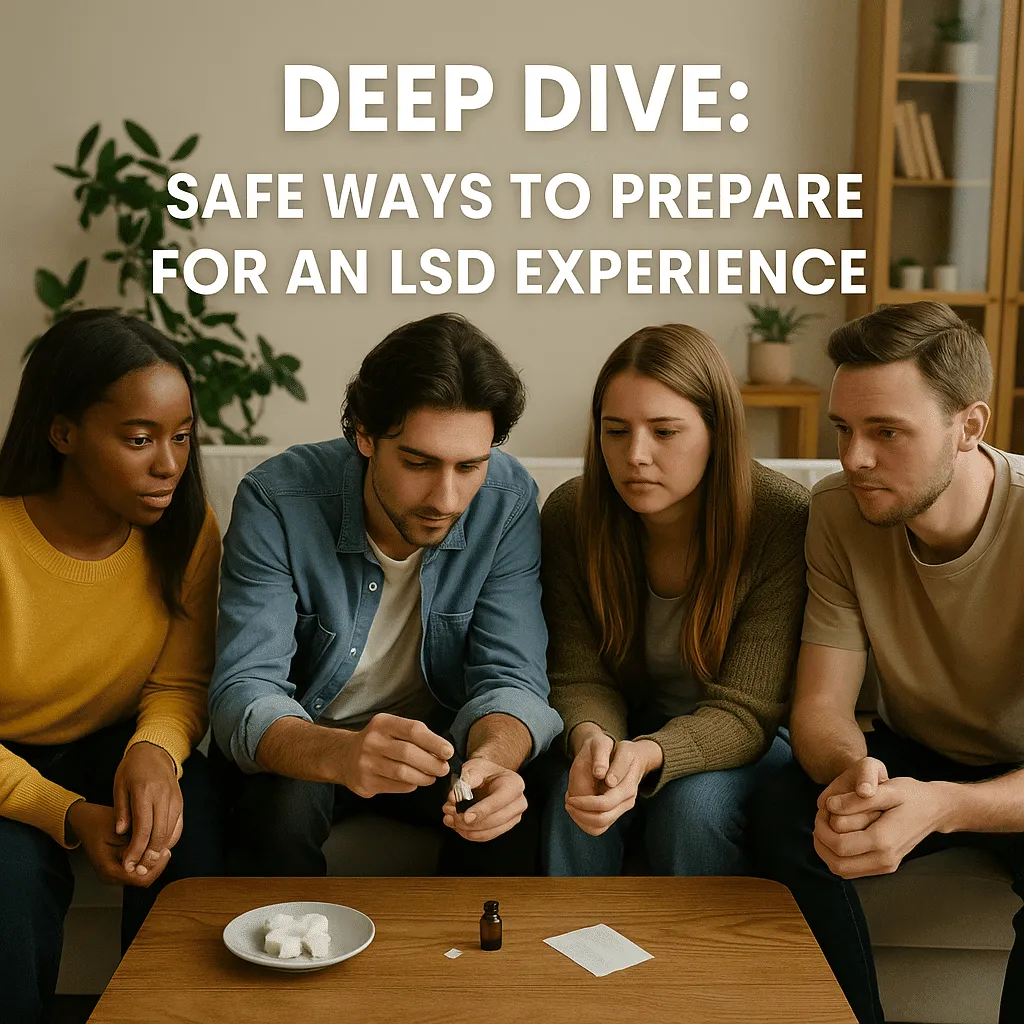
Harm Reduction and Safety Practices
Regardless of the delivery system, harm reduction principles are essential for anyone considering the use of LSD. These practices help minimize risks and promote safer experiences.
Testing and Verification
In the absence of regulatory oversight, testing substances becomes crucial for safety:
Reagent Testing: As mentioned earlier, reagent kits can help verify the presence of LSD and screen for more dangerous adulterants like NBOMe compounds.
Lab Analysis: For those with access to laboratory services, more comprehensive analysis can provide detailed information about purity and potency.
Source Evaluation: While challenging in illicit markets, developing relationships with reliable sources can help reduce risks of contamination or misrepresentation.
Dosage Awareness
Understanding dosage is fundamental to safe use:
Start Low: Especially with a new batch or format, starting with a low dose helps gauge sensitivity and potency.
Know Your Limits: Individual sensitivity varies widely, and what works for one person may be overwhelming for another.
Avoid Redosing: The long duration of LSD means redosing often extends the experience rather than intensifying it, while increasing the risk of anxiety and exhaustion.

Set and Setting Optimization
Creating the right environment can significantly influence the quality and safety of the experience:
Comfortable Space: Choose a familiar, comfortable environment where you feel safe and secure.
Trusted Companions: Having a sober, trusted person present can provide reassurance and assistance if needed.
Mental Preparation: Approaching the experience with a positive mindset and clear intentions can help guide the journey in productive directions.
Emergency Planning: Having access to professional help if needed and knowing how to access it is an important safety measure.
Integration Practices
The period after an LSD experience is often as important as the experience itself:
Reflection Time: Allowing time for reflection and integration helps process insights and lessons from the experience.
Journaling: Recording thoughts and feelings can help solidify insights and track personal growth over time.
Professional Support: For those navigating challenging experiences or seeking to maximize therapeutic benefits, professional support from therapists experienced with psychedelics can be invaluable.
Conclusion: The Future of LSD Gel Tabs
LSD gel tabs represent more than just an alternative delivery system for a well-known psychedelic compound. They embody the ongoing innovation happening in unregulated markets as manufacturers respond to consumer demands for consistency, stability, and reliability. While the fundamental effects remain the same regardless of format, the practical advantages of gel tabs have secured their place in the evolving landscape of psychedelic use.
As we’ve explored throughout this guide, the key distinctions between gel tabs and traditional blotter paper lie in their physical properties rather than their pharmacological effects. The enhanced stability, potential for improved dosage consistency, and durability of gel tabs address many of the limitations associated with paper tabs, particularly for long-term storage and transport.
The question “are LSD gel tabs stronger” misses the point—their value lies not in increased potency but in the preservation of potency and consistency of dosage. This distinction is crucial for both recreational users seeking predictable experiences and researchers who require precise control over variables in their studies.
Looking to the future, gel tabs may play an increasingly important role as psychedelic research continues to expand and potential therapeutic applications develop. Their advantages in terms of stability and consistency make them well-suited for clinical settings where these factors are paramount. As the conversation around psychedelics shifts from counterculture to mainstream acceptance, the demand for standardized, reliable delivery systems will only increase.
However, it’s important to remember that regardless of format, LSD remains a powerful psychoactive substance that demands respect, caution, and responsible use. The enhanced properties of gel tabs don’t eliminate the need for harm reduction practices, proper set and setting, and thoughtful integration of experiences.
For those navigating the complex landscape of psychedelics, whether for personal exploration, research, or potential therapeutic benefit, understanding the distinctions between delivery systems like gel tabs and paper is valuable knowledge. This understanding empowers users to make more informed decisions, ultimately promoting safer and more productive experiences.
As psychedelic science continues to evolve, we may see further innovations in delivery systems that build on the advantages of formats like gel tabs. Until then, gel tabs represent a significant step forward in the practical application of LSD, addressing many of the limitations of traditional formats while maintaining the profound potential that has made this compound a subject of fascination for decades.
In conclusion, LSD gel tabs vs paper is not a question of which is “better” in absolute terms, but rather which format is better suited to particular needs and circumstances. For long-term storage, consistency, and durability, gel tabs offer clear advantages. For those accustomed to traditional methods or seeking faster onset, paper may remain preferable. Understanding these differences allows users to make choices aligned with their priorities and circumstances, ultimately promoting a more responsible and informed approach to psychedelic use.
