
Blog
Alberta as a Pioneer: A Bold Step or a Political Power Play? – Mushrooms Lab
Sep
Alberta as a Pioneer: A Bold Step or a Political Power Play? – Mushrooms Lab
Introduction: Alberta’s Psychedelic Assisted Therapy Canada Leadership
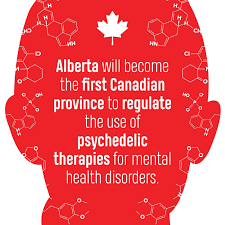
When Alberta Health announced expanded access to psychedelic-assisted therapies in 2024, the province positioned itself as a national leader in mental health innovation. This move, which streamlined psychedelic assisted therapy canada access through regulatory reforms, was simultaneously hailed as a breakthrough for suffering patients and criticized as a politically motivated distraction from healthcare system failures. Understanding whether Alberta represents genuine progress or cynical politics requires examining the complex interplay of patient needs, scientific evidence, regulatory frameworks, and provincial politics that shape psychedelic assisted therapy canada policy.
Alberta’s approach to psychedelic assisted therapy canada differs markedly from other provinces, with fewer restrictions on which healthcare providers can authorize treatment and more flexible eligibility criteria. This accessibility has made Alberta a destination for Canadians from other provinces seeking psychedelic assisted therapy canada options, creating both opportunities and tensions within the national healthcare framework. The province’s willingness to move ahead of federal standardization has sparked debate about whether Alberta is wisely addressing urgent patient needs or dangerously circumventing safety protocols.
The controversy surrounding Alberta’s psychedelic assisted therapy canada leadership reflects broader tensions in Canadian drug policy. While Health Canada maintains federal oversight of controlled substances, provinces have significant latitude in healthcare delivery. Alberta has exploited this jurisdictional complexity to create arguably the most accessible psychedelic assisted therapy canada system, raising questions about appropriate balance between innovation and caution, provincial autonomy and national standards, and political expediency versus evidence-based care.
The Regulatory Landscape: How Alberta Differs
Alberta’s regulatory framework for psychedelic assisted therapy canada stands apart from other provinces in several key dimensions that affect patient access and safety oversight. While Health Canada’s Special Access Program (SAP) provides the federal pathway for accessing psilocybin and MDMA, Alberta has implemented provincial policies that expand beyond federal minimum requirements.
The most significant difference lies in prescriber authorization. In most provinces, psychedelic assisted therapy canada requires specialist psychiatrist involvement, creating bottlenecks given limited numbers of trained providers. Alberta’s regulatory changes allow appropriately trained family physicians to authorize psychedelic assisted therapy canada, dramatically expanding potential access points. This expansion reflects Alberta’s philosophical commitment to decentralized healthcare decision-making, though critics argue it risks insufficient oversight for complex treatments.
Alberta has also streamlined the SAP application process provincially, creating administrative supports that reduce paperwork burden on physicians seeking psychedelic assisted therapy canada authorization. While federal requirements remain unchanged, Alberta Health provides consultants who assist physicians navigating SAP applications, effectively reducing barriers to access without changing underlying regulations.
The province has additionally invested in psychedelic assisted therapy training Canada infrastructure, funding university programs and clinical fellowships that other provinces have not prioritized. This investment in psychedelic-assisted therapy training Canada creates human resources capacity that enables broader service delivery than elsewhere in the country.
Historical Context: From Prohibition to Prescription
Understanding Alberta’s psychedelic assisted therapy canada leadership requires appreciating the rapid shift from prohibition to medical acceptance that has characterized Canadian psychedelic policy over the past decade. Until 2020, psilocybin and MDMA remained strictly prohibited with no recognized medical applications, making legal psychedelic assisted therapy canada impossible regardless of provincial policy.
The turning point came through patient advocacy, particularly from terminally ill Canadians seeking psilocybin for end-of-life distress. Exemptions granted by Health Canada created precedent for medical access, while court challenges established that blanket prohibition violated Charter rights for those with medical need. These developments created space for provincial experimentation with psychedelic assisted therapy canada models.
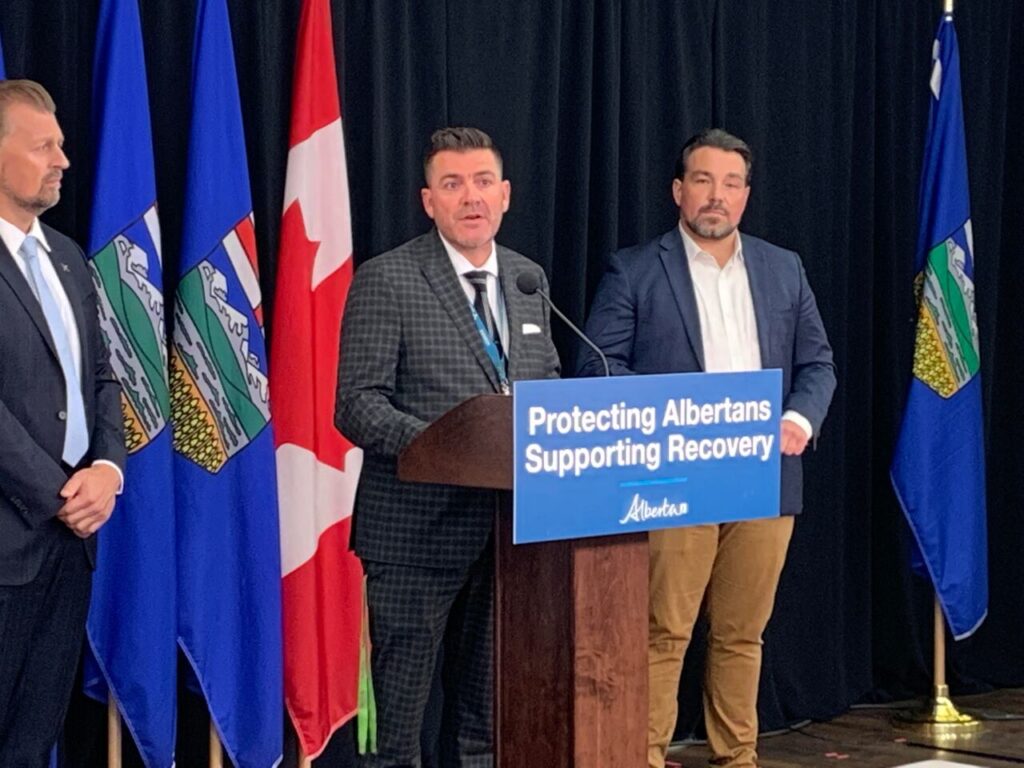
Alberta’s United Conservative Party government, elected in 2019 on a platform emphasizing healthcare innovation and provincial autonomy, proved receptive to arguments that psychedelic assisted therapy canada represented both improved patient care and appropriate assertion of provincial jurisdiction. Health Minister Jason Copping’s 2023 announcement of expanded access aligned with broader government messaging about modernizing healthcare and challenging federal overreach.
This political context matters for evaluating whether Alberta’s psychedelic assisted therapy canada leadership represents genuine healthcare advancement or political positioning. The same policy can serve multiple purposes—helping patients while generating favorable headlines, expanding access while challenging federal authority. Distinguishing primary from secondary motivations requires examining implementation details and outcomes rather than announcements alone.
Psychedelic-Assisted Therapy Canada: Federal vs. Provincial
The constitutional division of powers creates complex dynamics for psychedelic-assisted therapy canada policy, with federal criminal law authority over substances conflicting with provincial healthcare delivery jurisdiction. Alberta has navigated this complexity aggressively, asserting provincial prerogatives while remaining technically within federal frameworks.
Health Canada retains authority over drug scheduling and approval, meaning no province can independently legalize psychedelics. However, provinces control how healthcare services are organized, funded, and delivered. Alberta has exploited this distinction by creating provincial infrastructure that maximizes use of federal SAP pathways while adding provincial supports that effectively expand access beyond what federal policy alone would provide.
This federal-provincial tension is not unique to psychedelic-assisted therapy canada—it characterizes cannabis policy, abortion access, and numerous other areas where criminal law and healthcare intersect. However, the novelty of psychedelic-assisted therapy canada means that jurisdictional boundaries remain contested and evolving, with Alberta’s aggressive provincialism potentially establishing precedents for other provinces.
Critics argue that Alberta’s approach undermines national standards for psychedelic-assisted therapy canada, creating patchwork access that disadvantages patients in less progressive provinces. Supporters counter that provincial experimentation generates policy learning that ultimately improves psychedelic-assisted therapy canada nationwide, with Alberta serving as a pilot project for others.
Alberta’s Special Access Program Expansion
The practical mechanism for psychedelic assisted therapy canada access is Health Canada’s Special Access Program, which allows physicians to request authorization to use unapproved drugs for patients with serious or life-threatening conditions. Alberta has expanded SAP utilization through provincial supports that other provinces have not implemented.
Alberta Health established a Psychedelic Therapy Coordination Office that assists physicians completing SAP applications, providing templates, consultation, and administrative support that reduces the time and expertise required to seek psychedelic assisted therapy canada authorization. This office has processed hundreds of applications, creating institutional knowledge about successful approaches that streamlines subsequent requests.
The province has also designated specific treatment centers as psychedelic assisted therapy canada hubs, concentrating expertise and infrastructure while maintaining quality standards. These hubs provide not just medicine sessions but comprehensive care including preparation, integration, and ongoing mental health support.
Critics note that SAP was designed for exceptional circumstances, not routine care, and that Alberta’s expansion risks stretching the program beyond its intended scope. However, proponents argue that given limited Health Canada resources for full drug approval, SAP expansion represents the only viable pathway for patient access to psychedelic assisted therapy canada in the near term.
The volume of Alberta SAP applications—far exceeding other provinces on a per-capita basis—demonstrates both patient demand and provincial commitment to facilitating access. Whether this volume represents appropriate responsiveness to need or dangerous expansion beyond evidence base remains debated.
Psychedelic Assisted Therapy Training Canada: Building Capacity
A critical factor enabling Alberta’s psychedelic assisted therapy canada leadership has been investment in psychedelic assisted therapy training Canada infrastructure. Without sufficient trained providers, regulatory authorization means little. Alberta has addressed this capacity constraint more aggressively than other provinces.
The University of Calgary established Canada’s first fellowship program in psychedelic assisted therapy training Canada, providing specialized education for psychiatrists and family physicians seeking to offer these treatments. This program combines didactic learning about pharmacology and safety with supervised clinical experience, ensuring graduates have both knowledge and practical skills.
Alberta Health Services partnered with overseas institutions experienced in psychedelic assisted therapy training Canada to accelerate capacity building. Drawing on expertise from Johns Hopkins, Imperial College London, and MAPS, Alberta created training curricula adapted to Canadian healthcare contexts without requiring years of domestic program development.
The province funded psychedelic assisted therapy training Canada for over 100 physicians in 2023-2024, creating provider capacity that other provinces have not matched. This training investment represents genuine resource commitment that enables policy announcements to translate into actual patient care.
However, questions remain about whether psychedelic assisted therapy training Canada can scale sufficiently to meet demand, and whether rapid training programs maintain adequate quality standards. Critics suggest that Alberta’s emphasis on quantity risks compromising the specialized expertise that safe psychedelic assisted therapy canada requires.
Psychedelic-Assisted Therapy Training Canada: Standards and Curriculum
The content and quality of psychedelic-assisted therapy training Canada varies significantly, with Alberta’s approach differing from emerging national standards. Understanding these training variations illuminates debates about appropriate safeguards for psychedelic-assisted therapy canada.
Standard psychedelic-assisted therapy training Canada curricula include pharmacology of psilocybin and MDMA, screening for contraindications, managing acute psychedelic experiences, integration therapy techniques, and ethics of altered-state work. Alberta programs cover these fundamentals while adding provincial-specific content about SAP procedures and regulatory requirements.
Controversy exists regarding appropriate duration for psychedelic-assisted therapy training Canada. Some experts argue that minimum 100-hour programs are necessary, while Alberta has authorized shorter programs for family physicians given capacity constraints. This flexibility enables faster scaling but potentially sacrifices depth.
The therapeutic modality taught in psychedelic-assisted therapy training Canada also varies. Some programs emphasize non-directive support, allowing patients to direct their own experience, while others teach more active therapeutic intervention. Alberta programs have tended toward the non-directive approach, aligning with MAPS protocols for MDMA therapy.
Questions about psychedelic-assisted therapy training Canada standardization remain unresolved. Should national bodies certify training programs, or should provinces maintain autonomy? Alberta’s go-it-alone approach has provided rapid capacity but may contribute to inconsistent quality across psychedelic-assisted therapy canada.
Political Motivations: Healthcare or Headlines?
Evaluating whether Alberta’s psychedelic assisted therapy canada leadership represents genuine healthcare commitment or political positioning requires examining timing, messaging, and implementation details. The evidence suggests both motivations operate simultaneously.
The announcement of expanded psychedelic assisted therapy canada access came during a period of intense criticism of Alberta’s healthcare management, including emergency room closures, surgical backlogs, and physician disputes. Critics argue that psychedelic therapy announcements provided positive headlines that distracted from systemic failures elsewhere in the healthcare system.
The political messaging around psychedelic assisted therapy canada emphasized Alberta as innovative and patient-centered, contrasting with federal bureaucracy and other provinces’ caution. This framing aligned with broader government narratives about Alberta exceptionalism and federal overreach, suggesting political utility beyond healthcare policy.
However, implementation details suggest genuine commitment beyond announcement effects. The millions invested in psychedelic assisted therapy training Canada, the establishment of coordination offices, and the ongoing processing of hundreds of SAP applications represent real resource allocation that purely political initiatives might not sustain.
Patient outcomes will ultimately determine whether Alberta’s psychedelic assisted therapy canada leadership proves effective. If patients benefit and safety incidents remain minimal, political motivations become secondary to results. If problems emerge, initial skepticism about political motivations will appear prescient.
Comparing Provincial Approaches: Alberta vs. Ontario vs. BC
Comparing Alberta’s psychedelic assisted therapy canada approach with Ontario and British Columbia illuminates different models for integrating these treatments into healthcare systems.
Ontario has taken a more cautious approach, restricting psychedelic assisted therapy canada primarily to academic medical centers and requiring specialist psychiatric involvement. This conservatism reflects concerns about maintaining standards and avoiding controversy, but creates significant access barriers with waiting lists exceeding a year in some regions.
British Columbia has emphasized harm reduction and community-based care, with Vancouver becoming a center for psychedelic assisted therapy training Canada and non-profit service delivery. BC’s approach is more decentralized than Alberta’s, with less provincial coordination but strong community infrastructure.
Alberta’s model falls between these extremes—more accessible than Ontario but more systematized than BC. The province has created provincial infrastructure while allowing community innovation, attempting to balance standardization with flexibility.
Ontario patients seeking psychedelic assisted therapy canada sometimes travel to Alberta for treatment given shorter wait times, creating interprovincial tensions about healthcare portability and equity. BC’s approach has generated less such medical tourism, with local options more developed.
These provincial variations create a natural experiment in psychedelic assisted therapy canada policy, with Alberta’s accessibility, Ontario’s caution, and BC’s community focus offering different models for national consideration.
Where Can I Get Psychedelic Assisted Therapy in Alberta?
For Canadians asking where can I get psychedelic assisted therapy, Alberta currently offers the most accessible options, though availability remains limited and requirements specific. Understanding access pathways helps patients navigate this emerging treatment landscape.
Where can I get psychedelic assisted therapy in Alberta? Currently, services are concentrated in Calgary and Edmonton, with the Alberta Psychedelic Therapy Coordination Office maintaining lists of authorized providers. Patients must be referred by physicians who have completed psychedelic assisted therapy training Canada and received SAP authorization for their specific case.
Eligibility criteria for where can I get psychedelic assisted therapy in Alberta include diagnosis of treatment-resistant depression, PTSD, or end-of-life anxiety, plus failure of at least two conventional treatments. Medical screening excludes those with psychosis risk, severe cardiovascular disease, or certain medications.
The question where can I get psychedelic assisted therapy increasingly leads to Alberta for Canadians from other provinces, though interprovincial healthcare portability creates billing complications. Alberta residents receive coverage through provincial health insurance, while out-of-province patients may face significant out-of-pocket costs.
Wait times for where can I get psychedelic assisted therapy in Alberta, while shorter than elsewhere, still extend months for non-urgent cases. Urgent cases—those with severe, treatment-resistant conditions—may be prioritized, creating triage decisions that remain controversial.
Patient Experiences: Stories from Alberta
The reality of psychedelic assisted therapy canada in Alberta is best understood through patient experiences, which reveal both transformative benefits and ongoing challenges with access and integration.
Veterans with PTSD describe psychedelic assisted therapy canada as life-changing after years of failed conventional treatments. Many report that a single MDMA-assisted session accomplished what years of therapy and medication could not—allowing processing of traumatic memories without overwhelming distress. These outcomes validate Alberta’s investment in expanding access.
Patients with treatment-resistant depression similarly describe psychedelic assisted therapy canada providing rapid relief from symptoms that had persisted for decades. The experience of depression lifting within days rather than months, as with conventional antidepressants, represents a paradigm shift for those who had lost hope.
However, patient experiences also reveal gaps in Alberta’s psychedelic assisted therapy canada system. Integration support—helping patients process and apply insights from psychedelic experiences—varies significantly between providers. Some patients report excellent ongoing support, while others feel abandoned after the medicine sessions conclude.
Cost remains a barrier even in Alberta. While provincial insurance covers medical services, the intensive therapy component of psychedelic assisted therapy canada may require private payment, creating inequitable access based on financial resources.
These patient experiences suggest that Alberta’s psychedelic assisted therapy canada leadership has genuinely helped many while highlighting areas needing improvement.
Clinical Infrastructure: Who’s Providing Care?
The providers delivering psychedelic assisted therapy canada in Alberta represent diverse backgrounds, from psychiatrists and family physicians to psychologists and specialized therapists, raising questions about appropriate scope of practice.
Psychiatrists with psychedelic assisted therapy training Canada provide medical oversight, conducting assessments, authorizing SAP applications, and managing any psychiatric complications. Their involvement addresses safety concerns, though their limited numbers create access bottlenecks.
Family physicians who have completed psychedelic assisted therapy training Canada can authorize treatment in Alberta, expanding capacity beyond specialist availability. This scope expansion is controversial—some argue family physicians lack psychiatric expertise for complex psychedelic work, while others note their central role in primary care and patient relationships.
Psychologists and social workers provide therapy components of psychedelic assisted therapy canada, including preparation and integration sessions. Their involvement recognizes that psychedelic benefits emerge from psychological processing, not just pharmacological effects.
Specialized psychedelic therapists, some with training from international programs, have established practices in Alberta offering psychedelic assisted therapy canada. These providers often have the most extensive specific training but may lack mainstream healthcare credentials.
This diverse provider landscape for psychedelic assisted therapy canada reflects both innovation and potential quality variation, with Alberta serving as a testing ground for appropriate workforce development.
Economic Dimensions: Costs and Coverage
The economics of psychedelic assisted therapy canada in Alberta reveal both the investment required for quality care and the access inequities that persist despite provincial leadership.
A full course of psychedelic assisted therapy canada—including assessment, preparation sessions, medicine sessions, and integration—costs between $15,000-$30,000 in Alberta when delivered through private clinics. This cost reflects the intensive therapist time required, specialized facility needs, and pharmaceutical-grade medicine procurement.
Alberta Health Insurance covers physician services and some therapy costs for psychedelic assisted therapy canada, but gaps remain particularly for the extended preparation and integration support that evidence suggests is essential. This partial coverage creates financial barriers even in the most accessible province.
The economic argument for psychedelic assisted therapy canada investment rests on cost-effectiveness. For treatment-resistant conditions, conventional care often costs more over time while producing inferior outcomes. Early economic analyses suggest that psychedelic assisted therapy canada may reduce overall healthcare costs for appropriate patients despite higher upfront expenses.
However, cost-effectiveness depends on appropriate patient selection and quality delivery. If Alberta’s expanded access includes patients who might respond to cheaper conventional treatments, or if rapid scaling compromises quality, economic benefits may not materialize.
The economic dimensions of psychedelic assisted therapy canada thus remain contested, with supporters emphasizing long-term value and critics pointing to immediate costs and uncertain outcomes.
Criticisms and Controversies
Alberta’s psychedelic assisted therapy canada leadership has generated significant criticism from medical, ethical, and political perspectives that merit serious consideration.
Medical critics argue that Alberta has moved too quickly, expanding access before adequate psychedelic assisted therapy training Canada infrastructure exists to ensure quality. They point to risks of inadequate screening, insufficient integration support, and potential for adverse events when these powerful treatments are provided without sufficient expertise.
Ethical concerns focus on equity and access. While Alberta has expanded psychedelic assisted therapy canada availability, it remains accessible primarily to those with resources and healthcare literacy to navigate complex authorization processes. Critics argue this creates a two-tier system where privileged patients receive innovative treatments while others are left with failed conventional options.
Political critics suggest that psychedelic assisted therapy canada expansion distracts from broader healthcare system failures. By generating positive headlines about mental health innovation, the government deflects attention from emergency room closures, nursing shortages, and surgical backlogs that affect far more patients.
Indigenous critics note that psychedelic assisted therapy canada has proceeded without adequate engagement with Indigenous communities who have traditional relationships with sacred medicines. The medicalization of substances like psilocybin without Indigenous partnership raises concerns about cultural appropriation and exclusion.
These criticisms suggest that Alberta’s psychedelic assisted therapy canada leadership, while groundbreaking, requires ongoing refinement to address legitimate concerns about safety, equity, and respect.
Support and Advocacy
Despite criticisms, Alberta’s psychedelic assisted therapy canada model has generated substantial support from patients, healthcare providers, and advocates who see genuine progress in addressing unmet mental health needs.
Patient advocacy groups have been vocal supporters, sharing stories of psychedelic assisted therapy canada transforming lives after years of suffering. Organizations like TheraPsil and the Canadian Psychedelic Association have praised Alberta’s leadership while calling for continued expansion and improved access.
Healthcare providers who have completed psychedelic assisted therapy training Canada report professional satisfaction in offering treatments that actually help patients who had exhausted other options. Many describe psychedelic assisted therapy canada as restoring their faith in psychiatric medicine’s capacity to address profound suffering.
Research institutions have benefited from Alberta’s investment in psychedelic assisted therapy training Canada and clinical infrastructure, with University of Calgary and other institutions establishing national leadership positions in psychedelic science.
Economic developers note the potential for Alberta to become a destination for psychedelic assisted therapy canada medical tourism, bringing revenue and establishing the province as an innovation hub. This economic framing has appealed to government priorities beyond pure healthcare policy.
The support for Alberta’s psychedelic assisted therapy canada model reflects genuine belief that these treatments represent medical progress that should not be delayed by excessive caution.
Psychedelic-Assisted Therapy Canada: Lessons from Alberta
Regardless of political motivations, Alberta’s experience offers concrete lessons for psychedelic-assisted therapy canada policy development that other provinces and federal regulators should consider.
The importance of training infrastructure is paramount. Alberta’s investment in psychedelic-assisted therapy training Canada enabled policy announcements to translate into actual patient care. Without this capacity building, regulatory authorization would remain theoretical.
Administrative support matters as much as clinical authorization. Alberta’s Coordination Office demonstrates that facilitating psychedelic-assisted therapy canada access requires not just permitting treatment but actively helping providers navigate complex federal processes.
Provincial leadership can accelerate national progress. By moving ahead of federal standardization, Alberta created pressure for Health Canada to develop clearer frameworks for psychedelic-assisted therapy canada, benefiting all provinces.
However, Alberta also demonstrates risks of moving too fast. Quality variation, access inequities, and insufficient integration support suggest that psychedelic-assisted therapy canada expansion requires careful attention to implementation details, not just policy announcements.
The lesson for psychedelic-assisted therapy canada is that innovation and caution must balance—moving quickly enough to help suffering patients while carefully enough to maintain safety and equity.
The Role of Indigenous Communities
Any honest assessment of Alberta’s psychedelic assisted therapy canada leadership must address the complex relationship with Indigenous communities and traditional medicine practices.
Indigenous peoples in Alberta and across Canada have used sacred plant medicines for healing and ceremony for millennia. The recent medicalization of these same substances through psychedelic assisted therapy canada raises profound questions about cultural appropriation, intellectual property, and exclusion from benefits.
Critics note that psychedelic assisted therapy canada has proceeded largely without Indigenous partnership, with pharmaceutical models superseding traditional relationships with medicine. The training in psychedelic assisted therapy training Canada typically does not include Indigenous knowledge or protocols, potentially disrespecting original custodians of these practices.
Alberta has been criticized for failing to ensure that Indigenous communities benefit from psychedelic assisted therapy canada commercialization, with profits flowing to healthcare corporations and trained providers rather than supporting Indigenous healing initiatives.
However, some Indigenous-led organizations in Alberta have begun developing their own psychedelic assisted therapy training Canada programs that integrate traditional knowledge with clinical approaches, potentially creating culturally grounded models that honor both safety and tradition.
The future of psychedelic assisted therapy canada must include meaningful Indigenous partnership, recognizing that these medicines originate in Indigenous knowledge that has been too often excluded from their modern medical application.
Future Projections: Where Alberta Leads
Looking ahead, Alberta’s psychedelic assisted therapy canada leadership appears likely to continue shaping national policy, with several developments on the horizon.
Expansion of indications beyond current PTSD and depression authorizations seems probable as psychedelic assisted therapy training Canada capacity grows and evidence accumulates. Alberta’s regulatory flexibility positions it to adopt new applications more quickly than more cautious provinces.
Insurance coverage expansion may follow as economic data demonstrates cost-effectiveness. If Alberta can show that psychedelic assisted therapy canada reduces overall healthcare costs for treatment-resistant patients, pressure for comprehensive coverage will increase.
Integration with mainstream mental health services will likely deepen, with psychedelic assisted therapy canada becoming one option among many rather than a specialized intervention. This normalization requires continued training expansion and protocol standardization.
Potential conflicts with federal policy may emerge if Health Canada develops more restrictive national standards that conflict with Alberta’s accessibility. How these tensions resolve will shape psychedelic assisted therapy canada for years to come.
Alberta’s role as psychedelic assisted therapy canada pioneer will be tested by whether it can maintain quality while scaling access, and whether patient outcomes justify the risks of rapid expansion.
Implications for Psychedelic Assisted Therapy Canada
Alberta’s experience has profound implications for psychedelic assisted therapy canada nationwide, influencing federal policy, other provincial approaches, and the ultimate shape of psychedelic medicine in the country.
The federal government faces pressure to develop clearer national frameworks for psychedelic assisted therapy canada that accommodate provincial variation while maintaining safety standards. Alberta’s aggressive expansion may force Health Canada to accelerate standardization efforts.
Other provinces are watching Alberta’s outcomes closely, with some considering similar expansions if safety and efficacy data prove positive. Ontario and Quebec in particular may follow Alberta’s lead if political and medical establishment concerns can be addressed.
The training infrastructure developed for psychedelic assisted therapy training Canada in Alberta may serve national needs, with Alberta programs training providers from across the country. This creates both opportunity for national leadership and risk of Alberta-centric standard setting.
Patient expectations for psychedelic assisted therapy canada access have been raised by Alberta’s example, creating pressure on other provinces to match this accessibility. The question where can i get psychedelic assisted therapy increasingly expects Alberta-like answers nationwide.
Ultimately, Alberta’s psychedelic assisted therapy canada leadership has irrevocably altered the national landscape, making full prohibition unsustainable and incremental reform insufficient.
Conclusion: Bold Step, Power Play, or Both?
Returning to the question posed at the outset: Is Alberta’s psychedelic assisted therapy canada leadership a bold step forward, a political power play, or some combination of both? The evidence supports a nuanced conclusion that encompasses all these dimensions.
Undoubtedly, Alberta has taken a bold step. No other province has invested so heavily in psychedelic assisted therapy training Canada, created such accessible pathways for patient care, or moved so aggressively to integrate these treatments into mainstream healthcare. Patients who have benefited from psychedelic assisted therapy canada in Alberta have experienced genuine healing that was unavailable elsewhere.
The political dimensions are equally real. The timing, messaging, and jurisdictional assertions surrounding Alberta’s psychedelic assisted therapy canada expansion align with broader political strategies that cannot be ignored. Healthcare policy does not occur in a vacuum, and Alberta’s approach has served multiple agendas simultaneously.
Yet the dichotomy between bold step and power play may be false. Effective healthcare innovation often requires political will and positioning. If Alberta’s political motivations produced genuine patient benefit, the motivation matters less than the outcome. Conversely, if political positioning compromised safety or equity, the harm is real regardless of intent.
The assessment of Alberta’s psychedelic assisted therapy canada leadership ultimately depends on outcomes measured in patient lives improved, harms prevented, and access expanded equitably. Early evidence suggests genuine benefits, but long-term evaluation will determine whether this pioneering model serves as a template for psychedelic assisted therapy canada or a cautionary tale of moving too fast.
What is clear is that Alberta has irrevocably changed psychedelic assisted therapy canada, making a return to prohibition impossible and demanding that other provinces and the federal government respond to the new reality of accessible psychedelic medicine. Whether that change proves ultimately beneficial depends on continued attention to quality, safety, and equity as psychedelic assisted therapy canada evolves from experimental to established.
