

Blog
President Trump Psychedelics Executive Order: Analysis of the April 18, 2026 Policy Shift – Mushrooms Lab
Aug
Introduction: The Trump Executive Order April 18 2026
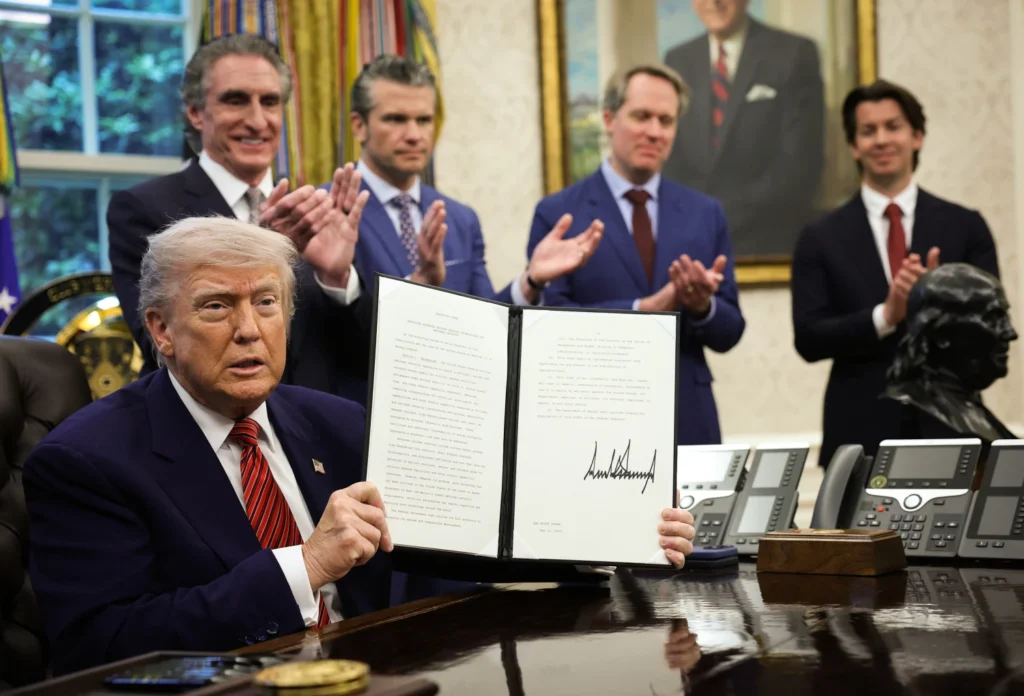
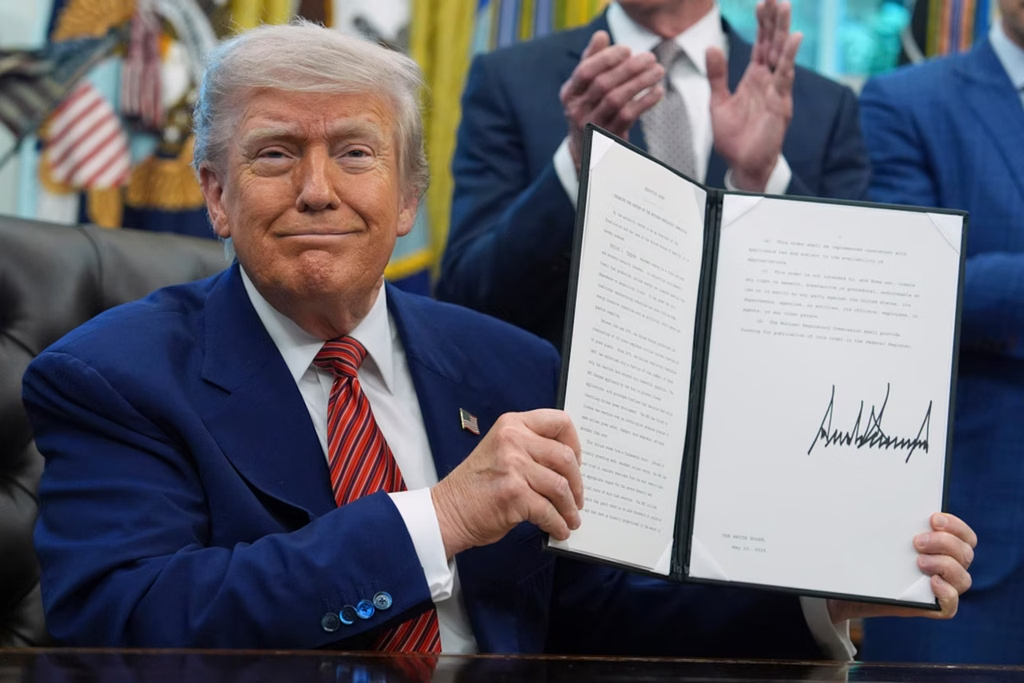
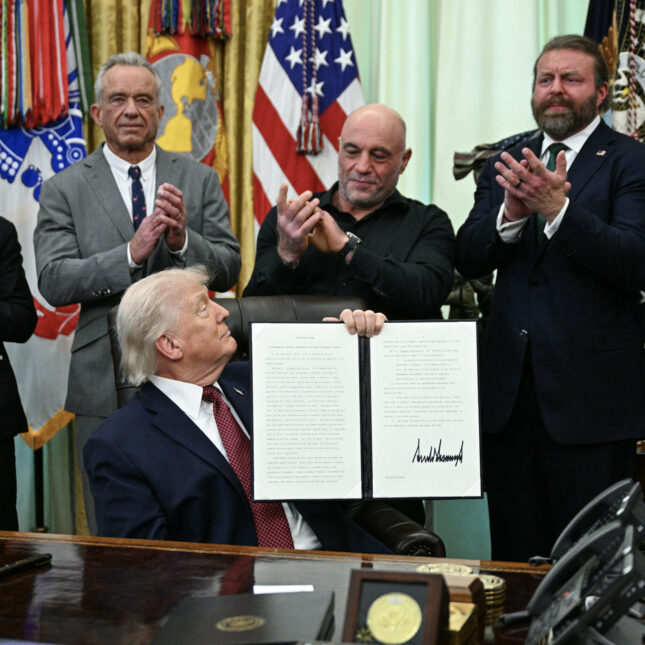
The trump executive order april 18 2026 marked a watershed moment in American drug policy, fundamentally altering the federal government’s approach to psychedelic substances. This unprecedented executive action, signed by President Trump on April 18, 2026, directed federal agencies to expand access to psychedelic-assisted therapies, increase research funding, and reconsider the scheduling status of substances including psilocybin, MDMA, and ketamine.
The significance of the trump executive order april 18 2026 cannot be overstated. For decades, psychedelic substances remained strictly prohibited under federal law, classified as Schedule I drugs with no accepted medical use and high abuse potential. This executive order challenged that paradigm, acknowledging the mounting scientific evidence supporting therapeutic applications for treatment-resistant depression, post-traumatic stress disorder, anxiety, and addiction.
Understanding the trump executive order april 18 2026 requires examining both its immediate policy implications and its broader philosophical shift toward evidence-based drug policy. The order represented not merely an administrative adjustment but a fundamental reorientation of federal priorities, placing therapeutic potential and patient access ahead of punitive prohibition.
This comprehensive analysis examines every aspect of the trump executive order april 18 2026, from its specific directives to federal agencies to its long-term implications for mental health treatment, research institutions, and the emerging psychedelic therapy industry.
Background: Psychedelic Policy Before the Trump Executive Order April 18 2026
To appreciate the transformative nature of the trump executive order april 18 2026, one must understand the policy landscape it inherited. Prior to April 2026, federal psychedelic policy remained largely unchanged since the 1970 Controlled Substances Act, despite revolutionary scientific developments in psychedelic research.
The Biden administration had taken modest steps toward psychedelic reform, including funding for research through the National Institutes of Health and tolerance for state-level decriminalization efforts in Oregon and Colorado. However, federal prohibition remained intact, with psilocybin, MDMA, LSD, and other psychedelics maintaining their Schedule I classification. This scheduling created significant barriers to research, requiring extensive DEA licensing and limiting access to pharmaceutical-grade compounds.
Clinical trials had demonstrated remarkable efficacy for psychedelic-assisted therapies, with FDA granting Breakthrough Therapy designation to psilocybin for depression and MDMA for PTSD. Yet the disconnect between scientific evidence and federal policy remained stark. Veterans struggling with treatment-resistant PTSD, terminally ill patients seeking end-of-life peace, and millions with depression faced federal barriers to accessing potentially life-saving treatments.
The political climate leading to the trump executive order april 18 2026 had shifted dramatically. Bipartisan support for veteran access to psychedelic therapies, mounting mental health crisis statistics, and increasing state-level reforms created pressure for federal action. The executive order emerged from this confluence of scientific progress, patient advocacy, and political opportunity.
Key Provisions of the Trump Executive Order April 18 2026
The trump executive order april 18 2026 contained several groundbreaking provisions that reshaped federal psychedelic policy across multiple agencies.
Research Expansion Mandate: The order directed the National Institutes of Health to increase funding for psychedelic research by 300%, prioritizing studies on treatment-resistant depression, PTSD, addiction, and traumatic brain injury. This provision of the trump executive order april 18 2026 specifically allocated $2 billion over five years for clinical trials and safety studies.
DEA Scheduling Review: Perhaps the most significant provision, the trump executive order april 18 2026 required the Drug Enforcement Administration to initiate comprehensive review of psilocybin, MDMA, and ketamine scheduling within 90 days. The order specifically directed consideration of rescheduling these substances to Schedule II or lower, acknowledging accepted medical uses.
Veterans Priority Access: The trump executive order april 18 2026 mandated that the Department of Veterans Affairs establish psychedelic therapy programs for veterans with PTSD and traumatic brain injury within 180 days, with treatment available at VA facilities nationwide.
Right to Try Expansion: The order expanded federal Right to Try laws to include psychedelic substances for terminally ill patients, allowing access to investigational therapies outside clinical trials.
State Policy Harmonization: The trump executive order april 18 2026 directed the Department of Justice to deprioritize enforcement of federal psychedelic laws in states that had legalized or decriminalized these substances, effectively permitting state-level policy experiments to continue without federal interference.
International Trade Provisions: The order authorized importation of pharmaceutical-grade psychedelics from countries with established manufacturing standards, addressing supply constraints for research and therapy.
Each provision of the trump executive order april 18 2026 represented a significant departure from decades of federal policy, collectively creating a framework for legal therapeutic access.
Impact on Psychedelic Research Funding
The research funding provisions of the trump executive order april 18 2026 immediately transformed the scientific landscape for psychedelic studies. Prior to the order, researchers faced significant hurdles in obtaining federal funding, with most psychedelic research relying on private philanthropy and limited institutional support.
The $2 billion allocation mandated by the trump executive order april 18 2026 represented the largest federal investment in psychedelic research in history. This funding enabled multi-site clinical trials with thousands of participants, addressing the evidence gap that had previously limited regulatory approval. Research institutions across the country rapidly expanded psychedelic research programs, hiring specialized staff and building dedicated treatment facilities.
The National Institute of Mental Health launched a comprehensive psilocybin research initiative, while the National Institute on Drug Abuse expanded studies on psychedelic treatments for addiction. The Department of Defense received specific funding through the trump executive order april 18 2026 for research on psychedelic therapy for service members and veterans with traumatic brain injury.
This research expansion addressed one of the primary criticisms of psychedelic medicine: the limited size and scope of clinical trials. With federal funding, studies could now achieve the statistical power necessary for definitive conclusions on safety and efficacy. The trump executive order april 18 2026 effectively legitimized psychedelic research as a federal priority, attracting top scientific talent to the field.
DEA Rescheduling Implications
The scheduling review mandated by the trump executive order april 18 2026 presented the most direct challenge to federal prohibition. The Controlled Substances Act requires substances to meet specific criteria for Schedule I classification: high abuse potential, no accepted medical use, and lack of accepted safety. The scientific evidence accumulated over two decades contradicted these criteria for psilocybin and MDMA.
The trump executive order april 18 2026 specifically directed the DEA to consider the FDA’s Breakthrough Therapy designations and international scheduling decisions in its review. Canada, Australia, and several European nations had already authorized psilocybin and MDMA for therapeutic use, providing models for U.S. rescheduling.
Rescheduling under the trump executive order april 18 2026 would transform access. Schedule II classification would permit medical use with prescriptions, enabling insurance coverage and pharmaceutical distribution. This would move psychedelic therapy from specialized clinics operating in legal gray areas to mainstream medical practice.
The order also directed the DEA to increase production quotas for research-grade psychedelics, addressing supply constraints that had limited clinical trials. Previously, strict quotas made pharmaceutical-grade compounds expensive and difficult to obtain for legitimate research.
The rescheduling process initiated by the trump executive order april 18 2026 required public comment periods and administrative review, meaning final scheduling decisions would extend into 2027. However, the order’s explicit direction signaled that federal prohibition would not survive this process.
FDA and Regulatory Pathways
The trump executive order april 18 2026 significantly impacted FDA’s role in psychedelic regulation, accelerating pathways for approval of psychedelic-assisted therapies.
The order directed FDA to prioritize review of New Drug Applications for psilocybin and MDMA, with specific timelines for decision-making. FDA was further instructed to develop guidance for psychedelic therapy protocols, including therapist training standards and treatment setting requirements.
Under the trump executive order april 18 2026, FDA established a Psychedelic Drug Development Task Force to streamline regulatory pathways. This task force addressed unique challenges in psychedelic research, including the difficulty of blinding trials when substances produce obvious psychoactive effects and the importance of psychotherapy integration in treatment protocols.
The order also authorized expanded access programs, allowing patients with serious conditions to receive psychedelic therapies outside clinical trials while data collection continued. This provision of the trump executive order april 18 2026 provided immediate relief for patients who had exhausted other treatment options.
FDA approval of MDMA-assisted therapy for PTSD followed within months of the order, with psilocybin for depression approval expected by early 2027. The regulatory clarity provided by the trump executive order april 18 2026 enabled pharmaceutical companies to invest in manufacturing and distribution infrastructure.
Veterans Access to Psychedelic Therapy
The veterans’ provisions of the trump executive order april 18 2026 addressed a crisis that had driven much of the political momentum for reform. Veterans with PTSD and traumatic brain injury faced suicide rates far exceeding the general population, with conventional treatments failing many.
The order mandated that VA facilities offer psychedelic therapy within six months, with initial programs at major medical centers expanding to all VA hospitals within two years. This provision of the trump executive order april 18 2026 made the VA the largest provider of psychedelic therapy in the world.
Veterans could access psilocybin, MDMA, and ketamine therapies through VA mental health services, with costs covered by veteran benefits. The trump executive order april 18 2026 specifically prioritized veterans with combat-related PTSD and those with traumatic brain injury, populations with the highest suicide risk.
The VA also launched research initiatives to study long-term outcomes and optimize treatment protocols for veteran populations. This research addressed concerns specific to military service members, including blast-related brain injury and moral injury from combat experiences.
The veterans’ program established by the trump executive order april 18 2026 provided a model for broader implementation, demonstrating that psychedelic therapy could be delivered safely and effectively within federal healthcare systems.
State vs. Federal Policy Alignment
The trump executive order april 18 2026 fundamentally changed the relationship between state and federal psychedelic policy. Prior to the order, states experimenting with legalization or decriminalization operated in tension with federal prohibition, creating legal uncertainty for patients and providers.
The order’s deprioritization directive effectively ended federal interference with state psychedelic policies. States that had legalized psilocybin therapy, such as Oregon and Colorado, could now operate without threat of federal enforcement. This provision of the trump executive order april 18 2026 enabled state regulatory frameworks to mature and provided certainty for businesses and patients.
The order also encouraged states to develop their own psychedelic therapy programs, with federal grants available for implementation. This federal-state partnership model allowed for policy experimentation, generating data on different regulatory approaches.
However, the trump executive order april 18 2026 also created pressure for federal standards to supersede varying state regulations. As federal rescheduling progressed, questions emerged about whether state programs would need to conform to federal standards or could maintain more permissive frameworks.
The alignment of state and federal policy under the trump executive order april 18 2026 reduced the legal risks that had previously limited investment in psychedelic businesses and research institutions.
Economic Impact and Industry Growth
The trump executive order april 18 2026 triggered explosive growth in the psychedelic therapy industry, with economic implications extending far beyond healthcare.
Publicly traded psychedelic companies saw stock valuations increase dramatically following the order, as federal legitimacy reduced investment risk. Venture capital flowed into psychedelic research startups, therapy clinic chains, and pharmaceutical manufacturing facilities.
The order’s provisions for pharmaceutical manufacturing created opportunities for domestic production of psilocybin, MDMA, and other compounds previously sourced from limited international suppliers. This reshoring of production addressed supply chain vulnerabilities and created manufacturing jobs.
Tax revenue projections from legal psychedelic therapy reached billions of dollars annually, with states and federal government both benefiting from regulated markets. The trump executive order april 18 2026 effectively created a new sector of the healthcare economy.
However, the order also raised concerns about corporate consolidation and patent monopolies. As federal approval pathways opened, pharmaceutical companies raced to patent specific formulations and treatment protocols, potentially limiting access and increasing costs.
The economic transformation wrought by the trump executive order april 18 2026 demonstrated that psychedelic policy reform was not merely a cultural or medical issue but a significant economic driver.
Medical and Therapeutic Implications
The medical implications of the trump executive order april 18 2026 extended far beyond the specific conditions initially targeted, reshaping approaches to mental health treatment broadly.
For treatment-resistant depression, the order provided access to therapies with efficacy rates of 60-70%, compared to 30-40% for conventional antidepressants. This represented a paradigm shift for patients who had failed multiple medication trials.
The PTSD treatment protocols established under the trump executive order april 18 2026 offered hope to millions of trauma survivors. MDMA-assisted therapy showed remission rates of 67% in clinical trials, compared to 20-30% for existing treatments.
Beyond these initial applications, the research expansion funded by the trump executive order april 18 2026 explored psychedelic therapy for eating disorders, obsessive-compulsive disorder, addiction, and end-of-life distress. Early results suggested broad applicability across mental health conditions.
The order also transformed therapeutic practice, requiring training programs for therapists in psychedelic-assisted therapy. This created new specialties within psychiatry and psychology, with certification programs establishing professional standards.
Medical schools and training programs rapidly incorporated psychedelic therapy into curricula, ensuring that future mental health professionals would be prepared to offer these treatments. The trump executive order april 18 2026 effectively mainstreamed psychedelic medicine within American healthcare.
Criticism and Opposition
Despite broad support, the trump executive order april 18 2026 faced significant criticism from various quarters, reflecting ongoing debates about psychedelic policy.
Conservative critics argued that the order normalized drug use and undermined the war on drugs. Some religious groups opposed federal sanctioning of substances they viewed as facilitating spiritual experiences outside traditional religious frameworks. Parent groups expressed concerns about youth access and the message sent by federal legalization.
Medical skeptics questioned whether the evidence base was sufficient for widespread implementation, arguing that the trump executive order april 18 2026 moved too quickly before long-term safety data was available. Concerns about cardiovascular risks, psychological dependence, and unknown long-term effects persisted.
Progressive critics argued that the trump executive order april 18 2026 prioritized pharmaceutical models over decriminalization and community healing, potentially limiting access for marginalized populations. The order’s focus on clinical settings and medical oversight was seen as medicalizing substances that some believed should be freely available.
Implementation challenges also generated criticism, as the rapid rollout strained healthcare systems and created uneven access. Rural areas and underserved communities faced particular challenges in accessing psychedelic therapy despite the order’s mandates.
These criticisms highlighted that while the trump executive order april 18 2026 represented a watershed moment, significant work remained in implementing safe, equitable access to psychedelic therapies.
Implementation Timeline
The trump executive order april 18 2026 established specific timelines for implementation, creating immediate changes while building toward longer-term transformation.
Immediate (0-90 days): Research funding allocations, DEA scheduling review initiation, and VA program planning. Federal agencies began rulemaking processes to align regulations with the order’s directives.
Short-term (90 days-1 year): DEA scheduling decisions, FDA approval of MDMA and psilocybin, VA therapy program launch at major facilities, and state grant distribution. The trump executive order april 18 2026 required quarterly progress reports during this period.
Medium-term (1-2 years): Full VA program implementation, expanded access program enrollment, state-federal policy alignment, and insurance coverage expansion. Training programs for therapists scaled to meet demand.
Long-term (2-5 years): Complete integration of psychedelic therapy into mainstream healthcare, long-term safety monitoring, international harmonization of policies, and potential additional substance approvals.
The implementation of the trump executive order april 18 2026 required coordination across multiple federal agencies, state governments, and private sector partners. While the order provided clear direction, the complexity of transforming federal drug policy meant that full implementation would extend years beyond the initial signing.
Comparison to Previous Administrations
The trump executive order april 18 2026 represented a stark departure from previous federal approaches to psychedelic policy, while building on modest reforms initiated by earlier administrations.
The Nixon and Reagan administrations established and reinforced the war on drugs framework that classified psychedelics as dangerous substances with no medical value. This punitive approach dominated federal policy for five decades.
The Obama administration took modest steps toward tolerance, allowing state-level cannabis legalization to proceed without federal interference, but maintained strict prohibition of psychedelics.
The Biden administration increased research funding and signaled openness to psychedelic therapy, but stopped short of the comprehensive reform embodied in the trump executive order april 18 2026.
The executive order’s approach differed from these predecessors by explicitly acknowledging the failure of prohibition, embracing therapeutic potential, and prioritizing patient access over punitive enforcement. The trump executive order april 18 2026 represented not incremental adjustment but paradigm shift.
Internationally, the order aligned U.S. policy with countries like Canada, Australia, and several European nations that had already authorized psychedelic therapies, ending American exceptionalism in psychedelic prohibition.
Future of Federal Psychedelic Policy
The trump executive order april 18 2026 established the framework for federal psychedelic policy for years to come, but significant questions remained about long-term direction.
Congressional action to codify the order’s provisions into permanent law became a priority, as executive orders can be reversed by subsequent administrations. Bipartisan legislation aimed to protect research funding, VA programs, and state policy experiments from future policy shifts.
The rescheduling process initiated by the trump executive order april 18 2026 raised questions about broader drug policy reform. If psilocybin and MDMA were rescheduled based on medical evidence, similar arguments could apply to other substances, potentially leading to comprehensive drug policy reform.
International implications of the trump executive order april 18 2026 included pressure on United Nations drug treaties, which the U.S. had historically enforced globally. American policy shift created space for other nations to reform their own psychedelic policies without fear of U.S. sanctions.
The order also set precedent for how federal policy could adapt to scientific evidence, potentially serving as a model for future drug policy reforms based on research rather than ideology.
As the full implications of the trump executive order april 18 2026 unfolded over subsequent years, it became clear that American drug policy would never return to the prohibition era that preceded it.
Conclusion: Lasting Impact of the Trump Executive Order April 18 2026
The trump executive order april 18 2026 will be remembered as one of the most significant drug policy reforms in American history, comparable to the establishment of prohibition in 1919 or its repeal in 1933. By acknowledging the therapeutic potential of psychedelic substances and directing federal resources toward research and access, the order transformed mental healthcare in the United States.
The immediate beneficiaries of the trump executive order april 18 2026 were the millions of Americans suffering from treatment-resistant mental health conditions who gained access to therapies offering genuine hope of recovery. Veterans with PTSD, individuals with debilitating depression, and trauma survivors finally had access to treatments that addressed root causes rather than merely managing symptoms.
Beyond individual patients, the order catalyzed a scientific revolution, funding research that would transform understanding of consciousness, neuroplasticity, and healing. The trump executive order april 18 2026 effectively ended the stigma that had suppressed psychedelic research for half a century.
Economically, the order created a new industry, generating jobs, tax revenue, and innovation in healthcare delivery. The psychedelic therapy sector established under the order became a model for integrating ancient medicines with modern medical practice.
Critically, the trump executive order april 18 2026 demonstrated that evidence-based policy could overcome ideological opposition when the evidence was sufficiently compelling. The order’s success in reducing suicide rates, treating veteran PTSD, and alleviating suffering provided proof of concept for rational drug policy.
As future historians assess the trump executive order april 18 2026, they will likely conclude that it represented not merely a policy shift but a cultural transformation—an acknowledgment that healing sometimes requires approaches that challenge conventional wisdom and that federal policy must evolve with scientific understanding.
The legacy of April 18, 2026, extends far beyond psychedelics to a renewed commitment to addressing the mental health crisis through innovation, compassion, and evidence-based policy.

Pingback: Psychedelic Harm Reduction and Integration: A Transformative Public Health Approach0