

Blog
Can You Overdose on MDMA? A Comprehensive Guide to Risks, Recognition, and Response
Mar
The question can you overdose on mdma is one that concerns both recreational users and healthcare professionals alike. As 3,4-methylenedioxymethamphetamine (MDMA) continues to be a prevalent substance in party scenes and experimental circles, understanding its overdose potential becomes increasingly critical for harm reduction. This comprehensive guide examines every aspect of Ecstasy overdose, from dosage thresholds to treatment protocols, providing evidence-based information to help keep users safe.
Recent statistics indicate that while overall drug overdose deaths have declined by 17.1% compared to previous years, MDMA-related emergency room visits remain a concern. According to the 2017 Global Drug Survey, approximately 1.2% of ecstasy users worldwide visited the emergency room due to drug use within 12 months before the survey. Furthermore, research from the Centers for Disease Control (CDC) showed that nearly 23% of all drug overdose deaths in 2019 involved psychostimulants like ecstasy, though very few of these cases were caused by ecstasy alone.
This article addresses critical questions including how much mdma does it take to overdose, what does an mdma overdose feel like, and how to treat mdma overdose. We’ll explore factors that influence overdose risk, recognize warning signs, and discuss life-saving interventions. By understanding these crucial aspects, users and their communities can make more informed decisions and potentially prevent tragic outcomes.
What is MDMA? A Brief Pharmacological Overview
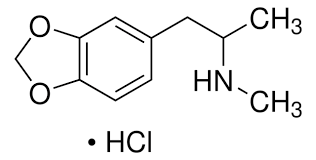
Before delving into whether can u overdose on mdma, it’s essential to understand what this substance is and how it affects the body. MDMA is a synthetic psychoactive drug that combines properties of both stimulants and hallucinogens. Chemically similar to both amphetamines and mescaline, MDMA primarily affects the brain by increasing the activity of three neurotransmitters: serotonin, dopamine, and norepinephrine.
The serotonin system plays a particularly important role in Ecstasy’s effects, contributing to the feelings of empathy, emotional elevation, and enhanced sensory perception that users seek. This same mechanism, however, also contributes to the substance’s potential for toxicity and overdose. When excessive amounts of serotonin are released or remain active in the brain, it can lead to a dangerous condition called serotonin syndrome, a key component of severe MDMA toxicity.
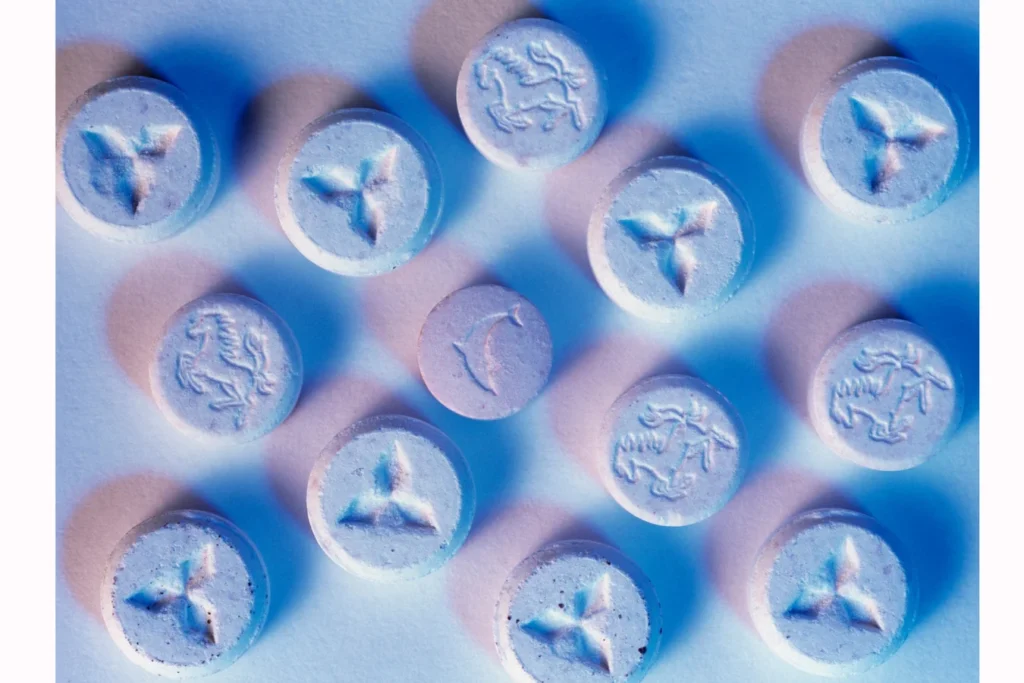
MDMA typically comes in tablet form often called ecstasy or as a powder/crystal form Molly. The purity and dosage of these substances can vary dramatically, which significantly impacts overdose risk. This variability makes answering the question how much mdma is an overdose particularly challenging, as the actual MDMA content in a given pill or powder can range from none at all to potentially lethal amounts.
How Much MDMA Does It Take to Overdose? Understanding Dosage Thresholds
One of the most frequently asked questions is how much mdma does it take to overdose? The answer is complex and depends on numerous individual factors. Generally, a recreational dose of MDMA ranges from 75-150 milligrams, with some experienced users consuming higher amounts. However, the threshold for overdose is not a fixed number but rather influenced by factors including body weight, tolerance, metabolism, and presence of other substances.
Research suggests that doses exceeding 1.5-2 mg/kg of body weight significantly increase the risk of adverse effects. For a 70kg (154lb) person, this would be approximately 105-140mg. However, serious toxicity and potential fatalities have been reported at doses as low as 250-300mg in some individuals, particularly when combined with physical exertion or other substances. This variability makes answering how much mdma to overdose particularly challenging.
The question how many mdma pills does it take to overdose is equally difficult to answer precisely. The MDMA content in ecstasy pills can vary dramatically, from as little as 20mg to over 300mg. Some pills may contain no MDMA at all, instead being composed of other stimulants or harmful substances. This inconsistency means that taking multiple pills could result in consuming a potentially lethal amount, even if the same number of pills from a different batch might be considered safe.
It’s also important to consider that the question how much mdma can cause overdose must account for cumulative dosing. Many users take additional doses as the initial effects begin to wear off, not realizing that serotonin levels remain elevated. This practice, known as stacking or boosting, dramatically increases the risk of overdose, as the body cannot process the excess serotonin efficiently.
Can You Die from MDMA Overdose? Understanding Fatal Risks
The sobering question can you die from mdma overdose has an unfortunate affirmative answer. While deaths attributed solely to MDMA are less common than those involving opioids, they do occur, particularly under certain circumstances. According to CDC data, nearly 23% of all drug overdose deaths in 2019 involved psychostimulants like ecstasy, though most of these cases involved multiple substances.
Fatal MDMA overdoses typically result from one or more of the following mechanisms:
Hyperthermia: MDMA can disrupt the body’s ability to regulate temperature, leading to dangerous elevations in body temperature (sometimes exceeding 106°F/41°C). This effect is exacerbated in warm environments or during physical exertion like dancing.
Cardiovascular Collapse: The stimulant properties of Ecstasy can cause heart rhythm abnormalities, high blood pressure, and ultimately cardiovascular failure, particularly in susceptible individuals.
Serotonin Syndrome: Excessive serotonin activity can lead to life-threatening complications including seizures, organ failure, and coma.
Hyponatremia: In an attempt to prevent dehydration, some users overcompensate by drinking excessive water, which can dilute sodium levels in the blood to dangerous levels, causing brain swelling.
The answer to can you die from mdma overdose becomes more affirmative when other substances are involved. Many reported fatalities involve Ecstasy combined with alcohol, other stimulants, or particularly dangerous when mixed with depressants. This polysubstance use dramatically increases the risk of respiratory depression, cardiovascular complications, and other life-threatening effects.
What Does an MDMA Overdose Feel Like? Recognizing the Experience
Understanding what does an mdma overdose feel like is crucial for early recognition and intervention. The experience can be terrifying and differs significantly from a recreational MDMA experience. While the desired effects of MDMA typically include euphoria, empathy, and enhanced sensory perception, an overdose manifests as an extreme and dangerous exaggeration of these effects along with additional symptoms.
Early signs of MDMA toxicity may include:
Extreme anxiety and panic
Confusion and disorientation
Rapid heart rate and high blood pressure
Excessive sweating despite feeling cool
Jaw clenching and muscle tension
Nausea and vomiting
As the overdose progresses, more severe symptoms develop. Many people asking what does an mdma overdose feel like report a sense of impending doom, complete loss of control, and terrifying hallucinations that differ from the pleasant visual distortions of a typical experience. Physical symptoms escalate to include:
Dangerous elevation in body temperature
Seizures and convulsions
Loss of consciousness
Difficulty breathing
Irregular heartbeat
Organ failure
The psychological component of an MDMA overdose can be particularly distressing. Users may experience extreme paranoia, panic attacks, and a complete disconnection from reality. This mental state, combined with the terrifying physical symptoms, creates an experience that those who have survived often describe as the most frightening moments of their lives.
What Happens If You Overdose on MDMA? Physiological Consequences
To fully understand the risks, it’s important to examine what happens if you overdose on mdma from a physiological perspective. An MDMA overdose triggers a cascade of dangerous effects throughout the body, affecting multiple organ systems simultaneously.
The cardiovascular system is often the first to show signs of distress. MDMA causes the release of norepinephrine, leading to vasoconstriction, increased heart rate, and elevated blood pressure. During an overdose, these effects become extreme, potentially causing arrhythmias, heart attacks, or strokes. The question what happens if you overdose on mdma includes the very real possibility of cardiovascular collapse.
The body’s temperature regulation system is severely compromised. MDMA disrupts the hypothalamus, the brain region responsible for maintaining homeostasis. This leads to hyperthermia, which can cause protein denaturation, metabolic acidosis, and widespread organ damage. The combination of increased physical activity common in MDMA use settings and impaired heat dissipation creates a perfect storm for dangerous temperature elevation.
The neurological effects are equally concerning. Excessive serotonin activity leads to serotonin syndrome, characterized by cognitive changes, autonomic dysfunction, and neuromuscular abnormalities. Seizures may occur as the brain becomes overstimulated. In severe cases, cerebral edema brain swelling can develop, either from hyperthermia or hyponatremia low sodium levels from excessive water consumption.
The liver and kidneys are also vulnerable. MDMA metabolism produces reactive metabolites that can be toxic to the liver, potentially causing acute hepatitis or liver failure. The kidneys may suffer from direct toxicity, rhabdomyolysis (muscle breakdown releasing damaging proteins), or hypotension, potentially leading to acute kidney injury.
When considering what happens when you overdose on mdma, it’s crucial to understand that these effects don’t occur in isolation but create a vicious cycle where each system’s failure exacerbates the others, potentially leading to multi-organ failure and death if not promptly treated.
What Happens When You Overdose on MDMA? The Progression of Toxicity
Building on the previous section, let’s explore in more detail what happens when you overdose on mdma by examining the typical progression of toxicity from initial symptoms to life-threatening complications. This timeline can help users and bystanders recognize the escalating danger and seek help promptly.
The initial phase of MDMA overdose typically begins within 1-3 hours of consumption, characterized by the exaggeration of expected effects. Users may experience intense euphoria that quickly turns to anxiety, agitation, and restlessness. Physical signs include profuse sweating, dilated pupils, and rapid heart rate. This is the critical window where recognizing the question can u overdose on mdma becomes paramount, as early intervention can prevent progression to more severe symptoms.
As the overdose progresses typically 3-6 hours post-consumption, more alarming symptoms develop. The body temperature begins to rise significantly, often exceeding 104°F (40°C). This hyperthermia is particularly dangerous as it accelerates all other toxic processes. Users may experience severe confusion, paranoia, and frightening hallucinations. Muscle breakdown (rhabdomyolysis) may begin, releasing myoglobin into the bloodstream, which is highly toxic to the kidneys.
In the critical phase 6-12 hours post-consumption, life-threatening complications emerge without medical intervention. Seizures may occur as the brain’s electrical activity becomes disrupted. The cardiovascular system may show signs of failure with arrhythmias and plummeting blood pressure. Organ damage becomes evident as the liver, kidneys, and heart struggle to function under the toxic load. This is the stage where the answer to can you die from mdma overdose becomes tragically affirmative without emergency care.
The recovery phase if the person survives can last days to weeks. Some effects may be permanent, particularly neurological damage from prolonged seizures or hyperthermia. Psychological aftereffects may include persistent anxiety, depression, and cognitive impairments. This prolonged recovery highlights why understanding how much mdma can cause overdose is so important—preventing overdose is far preferable to treating its devastating consequences.
How to Treat MDMA Overdose: Medical Interventions
Understanding how to treat mdma overdose is critical knowledge for healthcare professionals, first responders, and even users themselves. Immediate and appropriate medical intervention can mean the difference between life and death. Treatment focuses on managing symptoms, supporting organ function, and preventing complications while the body metabolizes and eliminates the substance.
The first step in addressing the question how to treat mdma overdose is recognizing the need for emergency medical care. There is no at-home cure for MDMA overdose—professional medical help is essential. If you suspect someone is overdosing, calling emergency services immediately is the most important action you can take.
In the emergency setting, treatment typically involves:
Airway, Breathing, and Circulation (ABC) Management: Ensuring the patient has a clear airway, is breathing adequately, and has stable circulation is the immediate priority. This may involve oxygen therapy, mechanical ventilation, or intravenous fluids to maintain blood pressure.
Temperature Control: For hyperthermia, aggressive cooling measures are implemented. This may include external cooling techniques ice packs, cooling blankets and, in severe cases, internal cooling methods. Controlling temperature is crucial to prevent further organ damage.
Benzodiazepines: These medications are often used to manage agitation, seizures, and cardiovascular complications. They work by depressing the central nervous system, counteracting some of MDMA’s stimulant effects.
Serotonin Antagonists: In cases of severe serotonin syndrome, medications like cyproheptadine may be administered to block serotonin receptors.
Treatment of Complications: As specific complications arise, they are addressed individually. This may include medications for blood pressure control, anti-arrhythmic drugs for heart rhythm disturbances, or dialysis for kidney failure.
When considering how to treat mdma overdose, it’s important to note that there is no specific antidote. Treatment is supportive, meaning it manages symptoms and supports organ function while the body processes the drug. This underscores the importance of prevention and early recognition—the best treatment is avoiding overdose altogether.
Risk Factors for MDMA Overdose: Understanding Vulnerabilities
Not everyone who uses MDMA will overdose, even with similar doses. Certain factors increase vulnerability, making the answer to can u overdose on mdma more affirmative for some individuals. Understanding these risk factors can help users make safer decisions and identify potentially dangerous situations.
Individual biological factors play a significant role. People with certain genetic variations in drug-metabolizing enzymes may process MDMA more slowly, allowing it to accumulate to toxic levels. Pre-existing medical conditions, particularly cardiovascular issues, liver problems, or neurological disorders, dramatically increase overdose risk. Body weight and composition also influence sensitivity, as does overall health status.
Polydrug use is perhaps the most significant risk factor. The combination of MDMA with other substances creates unpredictable and often dangerous interactions. Alcohol, for example, can increase dehydration while masking the stimulant effects of MDMA, potentially leading to higher consumption. Mixing MDMA with stimulants like cocaine or methamphetamine compounds cardiovascular stress. Combining with antidepressants, particularly SSRIs or MAOIs, increases the risk of serotonin syndrome. The question how much mdma can make you overdose becomes even more complex when other substances are involved.
Environmental factors also contribute to overdose risk. Hot, crowded environments like clubs or festivals increase the likelihood of hyperthermia. Physical exertion, such as dancing for extended periods, elevates body temperature and metabolic rate, potentially accelerating toxicity. Dehydration, though less dangerous than overhydration, still stresses the body’s systems and may contribute to adverse outcomes.
Finally, the purity and dosage of the substance itself is a critical factor. As mentioned earlier, the MDMA content in pills and powders varies dramatically. Without access to drug checking services, users have no reliable way of knowing exactly what or how much they’re taking, making the question how much mdma does it take to overdose impossible to answer with certainty in real-world scenarios.
Prevention Strategies: Avoiding MDMA Overdose
The most effective approach to MDMA overdose is prevention. By implementing harm reduction strategies, users can significantly reduce their risk of experiencing the terrifying scenario described by what does an mdma overdose feel like. These strategies don’t eliminate risk entirely but can make use safer.
Drug checking is one of the most valuable prevention tools. Services that allow users to test their substances for purity and content can help prevent accidental overdose from unexpectedly potent pills or substances adulterated with more dangerous compounds. Knowing exactly what and how much you’re taking helps address the uncertainty surrounding how much mdma is an overdose.
Dosage management is another crucial strategy. Starting with a small dose and waiting at least two hours before considering more helps prevent stacking, which significantly increases overdose risk. Using accurate scales rather than estimating amounts by eye provides more precise dosing. Understanding that purity varies means adjusting doses accordingly, particularly with a new batch.
Staying hydrated but not overhydrated is essential. Sipping water regularly (about 500ml per hour) and consuming electrolyte drinks helps maintain proper fluid balance. Avoiding excessive alcohol consumption reduces dehydration risk. Being aware of the signs of both dehydration and hyponatremia helps users find the right balance.
Taking breaks from physical activity, especially in hot environments, allows the body to cool down. Finding cooler spaces, resting periodically, and wearing appropriate clothing can help prevent hyperthermia. Having access to cool showers or misting stations at festivals can be lifesaving.
Finally, never using alone and having a trusted friend who knows about the signs of overdose can ensure prompt medical attention if needed. Being honest about substance use with emergency responders can lead to more appropriate treatment. Many communities have harm reduction organizations that provide education, supplies, and support without judgment.
Can You Overdose on MDMA Reddit? Community Perspectives
Online communities like Reddit provide valuable insights into user experiences and perspectives on MDMA use. Searching can you overdose on mdma reddit reveals numerous discussions where users share personal stories, warnings, and harm reduction advice. While these forums don’t replace medical guidance, they offer real-world perspectives that complement clinical knowledge.
Many Reddit threads addressing can u overdose on mdma include cautionary tales from users who experienced close calls or witnessed overdoses firsthand. These narratives often emphasize how quickly situations can escalate and the importance of recognizing early warning signs. Users frequently stress that overdose can happen to anyone, regardless of experience with the substance.
Discussions about how much mdma to overdose on Reddit typically highlight the variability in individual responses. Experienced users often advise newcomers to start with much lower doses than they might consider necessary, emphasizing that sensitivity varies dramatically between individuals. Many Redditors caution against assuming that a dose that was safe once will always be safe in the future.
The question what happens if you overdose on mdma is often answered with detailed personal accounts that align with medical descriptions but add emotional context. These stories can be powerful deterrents, conveying the terror and physical suffering of overdose in ways that clinical descriptions cannot. Many users describe these experiences as life-changing, leading to more cautious approaches to substance use.
Reddit communities also serve as valuable platforms for sharing harm reduction information. Discussions about how to treat mdma overdose often include practical advice for recognizing symptoms and when to seek emergency care. While medical professionals should always be consulted for treatment, these peer-to-peer exchanges can help bridge the gap between clinical knowledge and real-world application.
It’s important to approach Reddit information critically, recognizing that while many users share accurate information, others may perpetuate myths or dangerous practices. The most valuable aspect of these communities is often the diversity of experiences and perspectives, which can provide a more nuanced understanding of the risks and realities of MDMA use.
Special Populations: Unique Risks for MDMA Overdose
Certain populations face heightened risks when it comes to MDMA overdose. Understanding these vulnerabilities helps answer the question can you overdose on mdma with greater nuance and highlights the importance of tailored harm reduction approaches.
Individuals with pre-existing mental health conditions are particularly vulnerable. Those with anxiety disorders may find that MDMA exacerbates their symptoms, potentially leading to panic attacks or psychotic episodes. People with depression may experience a severe crash following the substance’s mood-elevating effects, increasing suicidal risk. For those with bipolar disorder, MDMA can trigger manic episodes. The question what happens when you overdose on mdma becomes particularly concerning for these populations, as the psychological effects can be more severe and have longer-lasting consequences.
People with cardiovascular conditions face amplified physical risks. MDMA’s stimulant properties increase heart rate and blood pressure, which can be dangerous for those with hypertension, heart disease, or arrhythmias. The question how much mdma can cause overdose has a lower threshold for these individuals, as their cardiovascular systems have less reserve to handle the increased workload. Even without overdose, they risk heart attacks, strokes, or other cardiovascular events.
Pregnant women represent another special population with unique concerns. MDMA crosses the placental barrier, potentially affecting fetal development. The substance’s vasoconstrictive properties can impair blood flow to the fetus, while hyperthermia can cause developmental damage. For this population, the answer to can you die from mdma overdose includes potential harm to the fetus, making any use particularly risky.
Adolescents and young adults are developmentally vulnerable. Their brains are still maturing, particularly in areas responsible for judgment and impulse control. This developmental stage, combined with typical risk-taking behaviors, increases overdose risk. The question how much mdma does it take to overdose is particularly relevant for this group, as their inexperience may lead to dangerous dosing decisions or failure to recognize warning signs.
Individuals with certain genetic variations also face increased risks. Some people have genetic polymorphisms that affect how they metabolize MDMA, leading to higher blood concentrations of the drug or its toxic metabolites. Without genetic testing, these individuals wouldn’t know they’re at increased risk, making the question can u overdose on mdma more affirmative for them than for the general population.
The Legal Implications of MDMA Overdose
Beyond the health consequences, MDMA overdose carries significant legal implications that users should consider. Understanding these potential consequences adds another dimension to the question can you overdose on mdma by highlighting the additional risks beyond physical harm.
In many jurisdictions, including the United States, MDMA is classified as a Schedule I controlled substance, meaning it has a high potential for abuse and no accepted medical use. Possession, even for personal use, can result in criminal charges. When an overdose occurs, the legal situation becomes more complicated. If someone seeks medical help for themselves or a friend experiencing overdose, they might fear legal repercussions, potentially delaying life-saving intervention.
Many jurisdictions have implemented Good Samaritan laws or medical amnesty policies to address this concern. These laws provide limited legal protection for those who seek medical assistance during drug-related emergencies. Understanding these protections is crucial when considering how to treat mdma overdose, as prompt medical intervention without fear of legal consequences can save lives. However, these protections vary by location and typically don’t provide immunity for all drug-related offenses.
For those involved in distributing MDMA, overdose events can lead to enhanced criminal charges. If someone dies as a result of MDMA they provided, the distributor could face charges ranging from manslaughter to murder, depending on the jurisdiction and circumstances. These legal consequences underscore why understanding how much mdma can make you overdose is critical not just for users but for anyone who shares or sells the substance.
The question can you die from mdma overdose extends beyond physical death to include legal consequences that can effectively end life as one knows it. Felony drug convictions can result in imprisonment, loss of employment opportunities, ineligibility for professional licenses, loss of housing assistance, and numerous other life-altering consequences. These collateral damages of both use and overdose should be considered when evaluating the risks of MDMA.
Long-Term Consequences of MDMA Overdose
Surviving an MDMA overdose doesn’t mean emerging unscathed. Understanding the potential long-term consequences adds gravity to the question what happens if you overdose on mdma by highlighting possible lasting damage. These effects can persist long after the acute overdose has resolved, sometimes permanently.
Neurological damage is among the most concerning long-term consequences. The hyperthermia and seizures that can occur during overdose may cause permanent brain injury. Survivors may experience persistent cognitive impairments, including memory problems, reduced attention span, and diminished executive function. Some report lasting changes in personality or emotional regulation. The question what does an mdma overdose feel like extends beyond the acute experience to potentially lasting changes in how one thinks and feels.
Cardiovascular damage is another potential long-term effect. The extreme stress placed on the heart during overdose can cause lasting damage to the cardiac muscle or electrical conduction system. Survivors may develop arrhythmias, cardiomyopathy, or increased risk of heart attack and stroke. These conditions may not be immediately apparent but can emerge months or even years after the overdose event.
Kidney damage is also common following severe MDMA overdose. Acute kidney injury during the overdose can progress to chronic kidney disease in some cases. This can lead to lifelong health complications, including the need for dialysis or kidney transplantation. The question how much mdma can cause overdose includes consideration of these potential long-term organ damages.
Psychological consequences can be equally debilitating. Many overdose survivors develop post-traumatic stress disorder (PTSD) from the terrifying experience. Others may experience persistent anxiety, depression, or substance use disorders. The profound psychological impact of overdose shouldn’t be underestimated when considering the risks of MDMA use.
These long-term consequences underscore why prevention is so important. The answer to can u overdose on mdma includes consideration of not just immediate risks but potential lifelong health impacts. This comprehensive view of overdose risk provides a more complete picture of MDMA’s potential dangers.
MDMA Overdose Statistics: Understanding the Scope of the Problem
Examining statistical data helps contextualize the question can you overdose on mdma by providing a broader perspective on its prevalence and impact. While comprehensive data specifically on MDMA overdoses can be challenging to isolate from broader substance use statistics, several sources offer valuable insights.
According to the 2017 Global Drug Survey, approximately 1.2% of ecstasy users worldwide visited the emergency room due to drug use within 12 months before the survey. This figure, while seemingly small, represents a significant number of individuals given MDMA’s widespread use. The survey also found that emergency room visits were more common among those who used MDMA more frequently or in higher doses, supporting the importance of understanding how much mdma is an overdose.
CDC data indicates that nearly 23% of all drug overdose deaths in 2019 involved psychostimulants like ecstasy. While most of these cases involved multiple substances rather than MDMA alone, these statistics highlight the potential danger of combining MDMA with other drugs. The question how much mdma to overdose becomes more complex when other substances are involved, as polysubstance use dramatically increases risks.
The Drug Abuse Warning Network (DAWN) reports that emergency department visits involving MDMA increased significantly between 2005 and 2011, though more recent data shows some stabilization. These visits were most common among individuals aged 18-25, reflecting MDMA’s popularity among young adults. This demographic information helps target prevention efforts to those most at risk.
International statistics reveal similar trends. The European Monitoring Centre for Drugs and Drug Addiction (EMCDDA) reports that MDMA-related presentations to emergency services have increased in several European countries, coinciding with rising purity levels and availability. This correlation between increased purity and overdose incidents underscores the importance of answering how much mdma does it take to overdose with consideration of varying substance strengths.
These statistics, while informative, likely underestimate the true scope of MDMA-related harm. Many overdose cases may be classified under broader categories like stimulant toxicity or substance use without specifically mentioning MDMA. Additionally, many mild overdoses may not result in emergency medical care, going unreported in official statistics. Despite these limitations, available data clearly indicates that MDMA overdose represents a significant public health concern worthy of attention and prevention efforts.
Conclusion: A Balanced Perspective on MDMA Overdose Risk
Throughout this comprehensive examination of MDMA overdose, we’ve addressed numerous critical questions: can you overdose on mdma, how much mdma does it take to overdose, what does an mdma overdose feel like, and how to treat mdma overdose, among others. The evidence clearly indicates that while not every use of MDMA leads to overdose, the risk is real and potentially devastating.
The answer to can u overdose on mdma is unequivocally affirmative, with consequences ranging from terrifying psychological experiences to permanent organ damage and death. The question how much mdma is an overdose has no simple answer, as individual factors, substance purity, and environmental conditions all influence susceptibility. What constitutes a safe dose for one person might be dangerous for another, and what was safe once might not be safe again under different circumstances.
Understanding what happens if you overdose on mdma reveals a cascade of physiological effects that can rapidly progress from uncomfortable to life-threatening. The experience is far removed from the intended effects of MDMA, characterized by extreme fear, physical distress, and potential organ failure. This reality contrasts sharply with the recreational image often associated with the substance.
The question can you die from mdma overdose unfortunately has an affirmative answer, though deaths attributed solely to MDMA are less common than those involving multiple substances. This distinction doesn’t minimize the danger but rather highlights the compounded risks of polysubstance use. The importance of understanding how much mdma can cause overdose becomes even more critical when other substances are involved.
For those wondering how many mdma pills does it take to overdose the answer depends on the uncertain MDMA content in each pill, which can vary dramatically. This variability makes any attempt to quantify overdose risk in terms of pill count dangerously misleading. Similarly, the question how much mdma can make you overdose defies a simple numerical answer due to the numerous influencing factors we’ve discussed.
The information shared in communities addressing can you overdose on mdma reddit generally aligns with medical perspectives but adds valuable real-world context. These personal accounts often emphasize how quickly situations can escalate and the importance of recognizing early warning signs. They serve as powerful reminders that overdose can happen to anyone, regardless of experience with the substance.
Prevention remains the most effective approach to MDMA overdose. Drug checking, accurate dosing, proper hydration, environmental awareness, and never using alone are all strategies that can significantly reduce risk. Understanding how to treat mdma overdose is important, but preventing the need for such treatment is far preferable.
As we’ve explored, the question what happens when you overdose on mdma encompasses not just immediate physiological effects but potential long-term consequences and legal implications. These broader considerations provide a more complete picture of MDMA’s potential dangers beyond the acute overdose event.
In conclusion, while MDMA continues to be a prevalent substance in certain social contexts, understanding its overdose potential is crucial for harm reduction. The answer to can you overdose on mdma is not just a matter of scientific curiosity but a critical safety consideration for anyone who uses or considers using the substance. By approaching MDMA with knowledge, caution, and respect for its potential dangers, users can make more informed decisions that prioritize their health and safety.
The conversation around MDMA use continues to evolve as research expands and cultural attitudes shift. As we move toward potentially more regulated approaches to psychedelics, the importance of understanding overdose risk remains paramount. Whether for personal use, supporting friends, or informing policy decisions, a comprehensive understanding of MDMA overdose potential provides a foundation for safer engagement with this powerful substance.
Ultimately, the most responsible approach to the question can you overdose on mdma is to acknowledge the affirmative answer while implementing every possible measure to prevent such an outcome. Through education, harm reduction, and compassionate support for those who choose to use, we can work toward minimizing the devastating consequences of MDMA overdose while promoting safer relationships with psychoactive substances.

buy gta 5 money ps5 modded account gta 5
Looking for a reliable IT partner?
We provide website development, automation tools, and smart integrations.
Come to us now:
]
#gpt_question_subjectModern IT solutions for your business ] b3837_2
drop your email. i’ll get back to you.