
Blog
The Evidence Base: What Does the Science Actually Say? – Mushrooms Lab

Sep
The Evidence Base: What Does the Science Actually Say? – Mushrooms Lab
Introduction: The Need for Scientific Validation
The psychedelic renaissance has captured public imagination with promises of transformative healing for conditions that have resisted conventional treatments. Yet amid the enthusiasm, critical questions remain: What does the science actually say? Which claims are supported by rigorous data, and which remain speculative? Understanding the evidence base is essential for patients considering treatment, healthcare providers making referrals, and policymakers crafting evidence-based policy that protects public health while enabling access.
The landscape of psychedelic clinical trials has expanded dramatically over the past decade, generating unprecedented data on safety and efficacy. From psilocybin evidence for depression to MDMA PTSD research showing remarkable remission rates, the scientific literature has grown exponentially. Yet significant gaps remain, particularly regarding long-term outcomes, optimal dosing, and comparative effectiveness against existing treatments.
For individuals seeking access to these therapies, understanding ibogaine clinical trials sign up processes, psychedelic clinical trials near me availability, and the quality of evidence supporting various treatments enables informed decision-making. This comprehensive examination synthesizes the current state of psychedelic science, separating established findings from preliminary results and identifying where scientific validation remains incomplete.
The stakes are high. Premature adoption of inadequately tested treatments risks patient harm and could trigger regulatory backlash that sets the field back decades. Conversely, excessive caution in the face of compelling psilocybin evidence and robust MDMA PTSD research delays access for suffering patients. Navigating this tension requires clear-eyed assessment of what we actually know.
Understanding Ibogaine Clinical Trials Sign Up
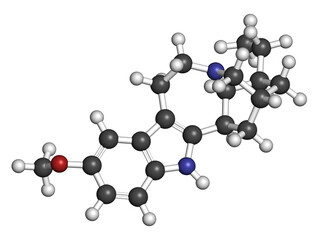
For individuals struggling with ibogaine opioid addiction treatment, understanding the ibogaine clinical trials sign up process represents a potential pathway to accessing this controversial but promising therapy. Unlike psilocybin or MDMA, ibogaine has not received FDA Breakthrough Therapy designation, and clinical trials remain limited, making ibogaine clinical trials sign up opportunities particularly valuable for those seeking supervised, legal access.
The ibogaine clinical trials sign up process typically begins with screening for medical eligibility. Because ibogaine can affect cardiac rhythm, potential participants undergo thorough cardiovascular evaluation including electrocardiograms and blood work. Contraindications including heart conditions, liver disease, and certain medications may disqualify some individuals from ibogaine clinical trials sign up.
Research institutions conducting ibogaine clinical trials sign up evaluate candidates based on substance use history, treatment attempts, and psychological stability. Studies specifically targeting ibogaine opioid addiction typically require documented opioid dependence and previous failed attempts at conventional treatment. This selection criterion ensures that research participants represent the population most likely to benefit while maintaining study validity.
The ibogaine clinical trials sign up process also involves informed consent regarding risks, including cardiac complications and prolonged QT interval that can lead to dangerous arrhythmias. Unlike other psychedelics, ibogaine’s safety concerns are substantial enough that medical supervision throughout the experience is absolutely mandatory.
For those considering ibogaine clinical trials sign up, understanding that this remains experimental treatment is essential. While anecdotal reports of ibogaine opioid addiction interruption are compelling, rigorous randomized controlled trials remain limited, and the therapy is not FDA-approved for any indication.
Psilocybin Evidence: Depression and Anxiety
The psilocybin evidence base has grown remarkably robust over the past decade, with multiple Phase II trials demonstrating efficacy for treatment-resistant depression and end-of-life anxiety. Johns Hopkins, Imperial College London, and NYU have published landmark studies showing that psilocybin-assisted therapy produces rapid, sustained antidepressant effects in populations that failed conventional treatments.
The strength of psilocybin evidence lies in rigorous methodology: double-blind, placebo-controlled designs with active placebos, adequate sample sizes, and long-term follow-up. Johns Hopkins’ 2020 study in JAMA Psychiatry showed that 71% of participants achieved clinically significant response after two psilocybin sessions, with effects persisting at four-week follow-up. Subsequent trials have replicated these findings, establishing psilocybin evidence as among the strongest in psychedelic research.
Neuroimaging studies complement clinical psilocybin evidence, demonstrating that the compound reduces activity in the brain’s default mode network—regions associated with rumination and self-referential thinking—while increasing connectivity across normally segregated networks. These neurobiological changes correlate with subjective reports of cognitive flexibility and reduced depressive symptoms.
For end-of-life anxiety, psilocybin evidence from NYU and Johns Hopkins showed that a single session produced substantial and sustained decreases in anxiety and depression among patients with life-threatening cancer diagnoses. Participants reported increased acceptance of mortality, improved quality of life, and reduced fear of death—outcomes that traditional palliative care often fails to achieve.
The psilocybin evidence base has advanced sufficiently that FDA granted Breakthrough Therapy designation for treatment-resistant depression, expediting development and review processes. Phase III trials are underway, with potential approval expected in coming years.
MDMA PTSD Research: Breakthrough Therapy Designation
The MDMA PTSD research program represents the most advanced psychedelic clinical trial program, with Phase III trials completed and New Drug Application submitted to FDA. This body of work demonstrates how rigorous scientific validation can transform a stigmatized substance into a potential medicine.
Sponsored by the Multidisciplinary Association for Psychedelic Studies (MAPS), now called Lykos Therapeutics, the MDMA PTSD research program enrolled hundreds of participants across multiple sites. Phase III results published in Nature Medicine showed that 67% of participants in the MDMA group no longer met PTSD criteria after three sessions, compared to 32% in the placebo group. This effect size substantially exceeds existing PTSD treatments.
The MDMA PTSD research is notable for methodological rigor: randomized, double-blind, placebo-controlled design with independent raters assessing outcomes, intention-to-treat analysis, and long-term follow-up. The research also included diverse populations, including veterans, first responders, and survivors of sexual assault, enhancing generalizability.
Critically, MDMA PTSD research demonstrated durability: at 12-month follow-up, most participants maintained gains, with some showing continued improvement. This durability addresses concerns that psychedelic benefits might be transient, requiring ongoing dosing like conventional antidepressants.
The FDA Breakthrough Therapy designation granted based on MDMA PTSD research reflects recognition that this treatment addresses unmet medical need for a serious condition. If approved, MDMA-assisted therapy would become the first psychedelic medicine legalized in the United States, establishing precedent for subsequent approvals.
Ibogaine Opioid Addiction: Promising Interruption
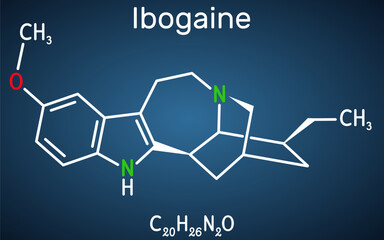
Among psychedelic research areas, ibogaine opioid addiction treatment generates particular interest due to the devastating opioid crisis and limited effectiveness of existing treatments. Preliminary studies suggest ibogaine may interrupt opioid dependence through unique pharmacological mechanisms distinct from other psychedelics.
The evidence for ibogaine opioid addiction treatment comes primarily from observational studies rather than randomized controlled trials. Research in Mexico, New Zealand, and other countries where ibogaine is legal or tolerated has documented opioid withdrawal interruption in many participants. One retrospective study found that 90% of participants achieved withdrawal suppression during ibogaine treatment, with 30-day abstinence rates significantly higher than expected.
However, ibogaine opioid addiction research faces significant limitations. Lack of controlled trials means placebo effects, spontaneous remission, and selection bias cannot be ruled out. The significant cardiac risks of ibogaine have limited enthusiasm for large-scale randomized controlled trials in opioid-dependent populations, who often have cardiovascular comorbidities.
The mechanism underlying ibogaine opioid addiction interruption appears multifaceted. Ibogaine and its metabolite noribogaine act on multiple neurotransmitter systems including opioid receptors, NMDA receptors, and nicotinic acetylcholine receptors. This complex pharmacology may reset addiction-related neuroadaptations, though precise mechanisms remain unclear.
For ibogaine opioid addiction treatment to achieve mainstream acceptance, rigorous safety and efficacy data from controlled trials will be necessary. Current evidence supports continued research but not yet widespread clinical adoption.
Alcohol Use Disorder Psilocybin: Addressing Addiction
Emerging research on alcohol use disorder psilocybin treatment suggests that psychedelic-assisted therapy may address addiction through mechanisms distinct from current pharmacological and behavioral treatments. Early trials indicate promise for reducing heavy drinking and achieving abstinence.
A landmark study by Johnson and colleagues at Johns Hopkins demonstrated that psilocybin-assisted therapy significantly reduced drinking in participants with alcohol use disorder psilocybin treatment. Participants receiving psilocybin showed substantial decreases in heavy drinking days compared to controls, with effects persisting at follow-up. The effect sizes approached or exceeded those of FDA-approved medications for alcohol dependence.
The theoretical basis for alcohol use disorder psilocybin treatment draws on addiction neuroscience. Psilocybin appears to enhance cognitive flexibility, disrupt rigid behavioral patterns, and facilitate experiences of meaning that can reframe relationship with alcohol. Unlike naltrexone or acamprosate, which require ongoing dosing, psilocybin may produce enduring change through neuroplasticity and psychological insight.
Ongoing psychedelic clinical trials are expanding alcohol use disorder psilocybin research to larger populations and comparing against active treatments. If results replicate, psilocybin could offer a novel approach to addiction that addresses psychological and spiritual dimensions often neglected in conventional treatment.
The alcohol use disorder psilocybin research exemplifies how psychedelics might treat addiction across substances, suggesting common mechanisms underlying various addictive disorders.
Smoking Cessation Psychedelics: Breaking Habits
Among addiction applications, smoking cessation psychedelics research has produced some of the most striking results. A pilot study by Johnson, Garcia-Romeu, and Griffiths at Johns Hopkins found that psilocybin-assisted therapy produced 80% abstinence rates at six-month follow-up—substantially exceeding typical success rates of 10-35% for conventional treatments.
The smoking cessation psychedelics study was notable for its design: 15 participants received cognitive behavioral therapy preparation followed by two or three psilocybin sessions. Participants were heavy smokers with long histories of failed quit attempts, making the high success rate particularly impressive. At 12-month follow-up, 67% remained abstinent.
Mechanisms underlying smoking cessation psychedelics effectiveness appear to involve disruption of habitual behavior patterns and enhanced cognitive flexibility. Participants often described their psilocybin experience as revealing the absurdity of smoking or connecting them to deeper values of health and longevity that motivated lasting change.
The smoking cessation psychedelics research has informed broader theories of psychedelic action in addiction. Rather than simply reducing cravings like nicotine replacement, psychedelics appear to facilitate transformative experiences that reframe the meaning of addiction and support identity change from smoker to non-smoker.
Larger randomized controlled trials of smoking cessation psychedelics are underway, comparing psilocybin against active treatments and examining optimal dosing and preparation protocols.
Psychedelic Clinical Trials: Methodology Matters
The quality of psychedelic clinical trials varies considerably, and understanding methodological strengths and limitations is essential for interpreting results. Not all studies claiming to examine psychedelic therapy meet standards for rigorous scientific validation.
Key methodological features of high-quality psychedelic clinical trials include:
Randomization and Blinding: True randomized controlled trials randomly assign participants to treatment or control conditions, with blinding of participants and assessors to condition. Active placebos (like low-dose psychedelics or other psychoactive substances) help maintain blinding, as inert placebos are often easily identified by participants experiencing psychedelic effects.
Adequate Sample Sizes: Early Phase I and II psychedelic clinical trials necessarily enroll small numbers, limiting statistical power. Phase III trials with hundreds of participants provide more definitive evidence.
Control Conditions: Appropriate controls might include placebo, active placebo, treatment as usual, or established therapies. Comparing psychedelic therapy against existing treatments rather than placebo alone addresses whether new approaches offer advantages over current standards.
Long-term Follow-up: Psychedelic effects may persist or emerge over time. Quality psychedelic clinical trials include follow-up assessments at 6, 12, or 24 months post-treatment.
Standardized Protocols: Treatment fidelity—ensuring that all participants receive equivalent therapy across sites and therapists—is essential for reproducibility.
Critically evaluating psychedelic clinical trials methodology helps distinguish robust findings from preliminary or biased results.
Randomized Controlled Trials: The Gold Standard
Randomized controlled trials represent the gold standard for establishing causal relationships between interventions and outcomes. In psychedelic clinical trials, RCTs address whether observed benefits result specifically from the psychedelic treatment or from placebo effects, expectancy, spontaneous remission, or other confounding factors.
The randomized controlled trials conducted for psilocybin and MDMA have generally employed rigorous designs. For psilocybin depression trials, participants are randomly assigned to receive either psilocybin or an active control (typically niacin or low-dose benzodiazepine) alongside identical psychotherapy preparation and integration. Independent raters blinded to condition assess outcomes, reducing bias.
Randomized controlled trials of smoking cessation psychedelics and alcohol use disorder psilocybin have similarly employed rigorous methodology, though sample sizes remain smaller than pharmaceutical industry standards for drug approval.
The challenge of conducting randomized controlled trials for psychedelics includes the difficulty of maintaining blinding when substances produce obvious psychoactive effects. Active placebos help, but perfect blinding remains elusive. Additionally, the intensive therapeutic support provided alongside psychedelics makes it difficult to isolate the specific contribution of the drug versus the psychotherapy.
Despite these challenges, well-designed randomized controlled trials have consistently demonstrated that psychedelic-assisted therapy produces benefits exceeding control conditions, supporting causal inference that these treatments are genuinely effective.
Psychedelic Safety Profile: Risk Assessment
Understanding the psychedelic safety profile is essential for evidence-based policy and clinical decision-making. While psychedelics are often described as physiologically safe, this characterization requires nuance and qualification.
Classic psychedelics (psilocybin, LSD, DMT, mescaline) demonstrate remarkably low physiological toxicity. No confirmed deaths from direct psychedelic toxicity exist in the medical literature—unlike opioids, alcohol, or even acetaminophen. The psychedelic safety profile regarding overdose potential is favorable.
However, the psychedelic safety profile includes significant psychological risks. Acute psychological distress (“bad trips) can lead to dangerous behavior: running into traffic, jumping from heights, or violent reactions. While these events are rare in controlled settings with preparation and support, they occur in uncontrolled recreational use.
Cardiovascular effects represent another psychedelic safety profile consideration. Psychedelics increase heart rate and blood pressure, potentially dangerous for those with pre-existing cardiovascular conditions. Ibogaine’s cardiac toxicity is particularly concerning, with documented fatalities.
Long-term psychedelic safety profile concerns include Hallucinogen Persisting Perception Disorder (HPPD), where visual disturbances continue long after use, and potential precipitation of psychosis in vulnerable individuals. Population studies suggest these risks are rare but real.
The psychedelic safety profile varies by substance, dose, setting, and individual factors. Context matters enormously: identical substances demonstrate very different risk profiles in clinical settings versus uncontrolled environments.
Evidence-Based Policy: From Research to Regulation
Translating psilocybin evidence and MDMA PTSD research into evidence-based policy requires navigating complex regulatory, political, and social considerations. Scientific findings do not automatically determine policy; they inform decisions that must also account for values, implementation capacity, and unintended consequences.
Evidence-based policy approaches to psychedelics might include:
Medical Access Pathways: FDA approval of specific indications (depression, PSTD) through rigorous clinical trials, with regulated medical access similar to other prescription medications. This pathway is furthest advanced for MDMA and psilocybin.
Decriminalization: Removing criminal penalties for personal possession and use while maintaining prohibition on sales. This evidence-based policy approach acknowledges that criminalization produces more harm than psychedelic use itself, without creating regulated markets.
Regulated Adult Use: Legal access for adults through licensed facilities, with quality control, age restrictions, and education requirements. This goes beyond decriminalization to active regulation.
Research Facilitation: Policies that enable clinical trials, including DEA registration, funding allocation, and streamlined ethics review.
Critics argue that current evidence-based policy proposals move too quickly given limited long-term safety data, particularly regarding youth use and mental health impacts. Proponents counter that prohibition itself causes documented harms—incarceration, research obstruction, missed therapeutic opportunities—that outweigh speculative risks.
The evidence-based policy debate increasingly recognizes that different policy models might apply to different contexts: medical access for therapeutic use, decriminalization for personal use, and potentially regulated markets for adult access.
Finding Psychedelic Clinical Trials Near Me
For individuals interested in accessing psychedelic therapy through research participation, understanding how to find psychedelic clinical trials near me opens potential pathways to treatment. Several resources help locate ongoing studies.
ClinicalTrials.gov, the National Library of Medicine’s registry, lists federally and privately funded psychedelic clinical trials with search filters for location, condition, and intervention. Searching psychedelic,psilocybin, MDMA, or ibogaine with geographic filters identifies nearby studies.
The Multidisciplinary Association for Psychedelic Studies (MAPS) maintains lists of sites conducting MDMA PTSD research and other sponsored trials. Similarly, Usona Institute lists psilocybin depression trial locations.
University medical centers with psychedelic research programs—Johns Hopkins, NYU, UCSF, Imperial College London, and others—often list psychedelic clinical trials near me on their websites with contact information for potential participants.
For those seeking ibogaine clinical trials sign up, options are more limited given regulatory status, but international trials in countries where ibogaine is legal may be accessible.
Contacting research coordinators directly provides information about eligibility, procedures, and timeline for psychedelic clinical trials near me. Participation typically requires medical and psychological screening to ensure safety and study validity.
Psilocybin Clinical Trials Near Me: Accessing Treatment
Searching for psilocybin clinical trials near me yields increasing options as research expands geographically. Major metropolitan areas—New York, Baltimore, San Francisco, Denver, London—host multiple active trials, with expansion into smaller cities underway.
Psilocybin clinical trials near me typically focus on treatment-resistant depression, end-of-life anxiety, or alcohol use disorder. Each indication has specific eligibility criteria: depression trials often require failure of two or more antidepressants; end-of-life trials require serious illness prognosis; alcohol trials require documented heavy drinking and previous quit attempts.
The experience of psilocybin clinical trials near me involves significant commitment: screening visits, preparation sessions lasting hours, the medicine session itself (6-8 hours with medical supervision), and integration follow-up. Participants must arrange transportation and support, as they cannot drive after sessions.
Compensation varies for psilocybin clinical trials near me, with some offering payment for time and travel, while others provide treatment without compensation. Insurance rarely covers experimental treatment, though some trials may offer continued access post-study.
For those finding psilocybin clinical trials near me, the opportunity contributes to science while potentially accessing transformative treatment unavailable through standard care.
DMT Clinical Trials Near Me: Emerging Research
DMT clinical trials near me represent a newer frontier in psychedelic research, with studies examining this short-acting compound for depression and other conditions. While less established than psilocybin or MDMA trials, DMT clinical trials near me are expanding rapidly.
DMT’s brief duration (15-30 minutes when inhaled or injected) makes it attractive for clinical settings, allowing complete treatment sessions within hours rather than full days. This efficiency could make DMT clinical trials near me more accessible and cost-effective if efficacy proves comparable to longer-acting psychedelics.
Current DMT clinical trials near me focus primarily on treatment-resistant depression, with early-phase safety and dosing studies establishing protocols for larger efficacy trials. The rapid onset and offset of DMT effects present unique methodological challenges for blinding and control conditions.
For those unable to find psilocybin clinical trials near me, DMT clinical trials near me may offer alternative access to psychedelic-assisted therapy, particularly as research infrastructure expands.
MDMA Clinical Trials Near Me: PTSD Solutions
Given advanced development, MDMA clinical trials near me may offer treatment access even as FDA approval approaches. Phase III trial sites continue follow-up studies, and expanded access programs provide treatment outside trials for some patients.
MDMA clinical trials near me specifically for PTSD are most common, given the strong evidence base. Eligibility typically requires chronic PTSD diagnosis, previous treatment attempts, and stability to safely undergo psychedelic therapy. Exclusions include active psychosis, severe cardiovascular disease, and certain medications.
The therapeutic model in MDMA clinical trials near me involves 8-hour medicine sessions with two therapists present, typically over three sessions spaced weeks apart. This intensive model differs from standard psychiatric care and requires specialized training.
For veterans, first responders, and others with PTSD, finding MDMA clinical trials near me offers hope when conventional treatments have failed. As approval nears, these trials transition toward implementation science and access expansion.
Ibogaine Clinical Trials Near Me: Addiction Treatment
Locating ibogaine clinical trials near me presents unique challenges given ibogaine’s regulatory status and safety concerns. Unlike psilocybin or MDMA, ibogaine has not received FDA Breakthrough designation, and U.S. trials remain limited.
Ibogaine clinical trials near me in the United States are rare due to cardiac safety concerns that have made institutional review boards cautious. Most rigorous ibogaine clinical trials occur internationally—in Mexico, New Zealand, Brazil, and other countries with more permissive regulatory environments.
For those seeking ibogaine opioid addiction treatment through research, international ibogaine clinical trials near me may require travel. Some observational studies accept data from treatment centers abroad, contributing to evidence without requiring U.S. site visits.
The ibogaine clinical trials sign up process, when available, involves extensive cardiac screening given the substance’s QT prolongation effects. Participants must understand that despite potential benefits, ibogaine carries documented risks of cardiac arrest and death.
As ibogaine clinical trials near me expand, they will need to address safety through careful medical monitoring, cardiac telemetry during treatment, and exclusion of high-risk candidates.
Challenges in Psychedelic Research
Despite promising results, psychedelic clinical trials face significant challenges that limit scientific validation and generalizability.
Expectancy Effects: Participants in psychedelic clinical trials often have strong positive expectations given media coverage, potentially inflating apparent efficacy. While active placebos help, expectancy remains difficult to fully control.
Therapist Effects: The intensive psychotherapy component means that therapist skill, training, and belief in the treatment substantially influence outcomes. Standardizing therapy across sites and studies is challenging.
Selection Bias: Psychedelic clinical trials often exclude participants with psychosis risk, severe medical conditions, or suicidality—populations who might most need novel treatments but face highest risks.
Duration of Follow-up: While 6-12 month follow-up is standard, long-term outcomes (years post-treatment) remain understudied. Durability of effects is crucial for evaluating value.
Generalizability: Randomized controlled trials often enroll motivated, psychologically stable participants in controlled settings. Real-world effectiveness in diverse populations and everyday clinical settings may differ.
Funding Limitations: Unlike pharmaceutical industry trials, psychedelic clinical trials rely heavily on philanthropy and government grants, limiting sample sizes and geographic distribution.
Addressing these challenges is essential for robust scientific validation that supports evidence-based policy and clinical adoption.
Future Directions for Scientific Validation
The future of psychedelic science holds promise for addressing current limitations and expanding scientific validation to new applications.
Large-Scale Effectiveness Trials: As initial efficacy is established, real-world effectiveness trials in diverse clinical settings with broader inclusion criteria will assess generalizability.
Comparative Effectiveness: Head-to-head trials comparing psychedelic therapy against established treatments (SSRIs, evidence-based psychotherapies) will clarify positioning in treatment hierarchies.
Mechanism Studies: Neuroimaging, biomarker, and genetic research will elucidate why psychedelics work and predict who will benefit, enabling personalized treatment.
Long-term Safety Surveillance: Post-marketing surveillance will monitor rare adverse events and long-term outcomes as use expands beyond research settings.
Novel Applications: Research is expanding to OCD, eating disorders, traumatic brain injury, and other conditions, broadening the evidence base.
Optimization Studies: Research on dosing, preparation, integration, and therapy models will refine protocols for maximum benefit and efficiency.
The trajectory of scientific validation suggests that within a decade, psychedelic medicine will transition from experimental to established, with robust evidence guiding clinical practice and evidence-based policy.
Conclusion: What the Evidence Actually Shows
The evidence base for psychedelic medicine has reached an inflection point. Rigorous randomized controlled trials demonstrate that MDMA-assisted therapy produces substantial PTSD symptom reduction, that psilocybin-assisted therapy reduces depression and anxiety, and that these treatments can produce enduring benefits when proper preparation and integration are provided.
The psychedelic safety profile, while favorable regarding physiological toxicity, includes real psychological risks that require careful management through screening, preparation, and support. Ibogaine opioid addiction treatment shows promise but carries cardiac risks that demand medical supervision.
For smoking cessation psychedelics, alcohol use disorder psilocybin, and other addiction applications, preliminary results are encouraging but require replication in larger trials. The MDMA PTSD research program provides a model for how rigorous scientific validation can transform stigmatized substances into potential medicines.
The question for evidence-based policy is no longer whether psychedelics can be therapeutic, but how to ensure safe, equitable access while continuing to build the evidence base. For individuals seeking ibogaine clinical trials sign up, psychedelic clinical trials near me, or simply information about these treatments, understanding what the science actually shows enables informed decision-making.
The evidence supports continued research, regulated medical access, and harm reduction approaches that respect both the therapeutic potential and real risks of these powerful substances. As the field matures, maintaining scientific rigor while expanding access represents the central challenge—and opportunity—for psychedelic medicine.

Pingback: Alberta Psychedelic Therapy: Psychedelic Assisted Therapy Canada Pioneer (2026)
Yes you are very correct, we need to get the knowledge by learning an reading articles about what we face daily.