
Buy Alacabenzi Mushroom Online
Price range: $200.00 through $1,200.00
The Alacabenzi Psilocybe cubensis strain is a widely recognized hybrid mushroom variety that emerged in the early 2000s within the global mushroom cultivation community. It is believed to originate from a cross between Alabama cubensis and Mexican cubensis genetics, combining stability, vigor, and reliable growth traits.
This strain is commonly referenced for its genetic consistency, making it a notable entry in the broader Psilocybe cubensis family.
The Ultimate Guide to Alacabenzi Mushrooms: Origins, Effects, and Cultivation
Introduction to Alacabenzi Mushroom
In the diverse world of psilocybin mushrooms, the Alacabenzi strain stands out as a remarkable hybrid that has captured the attention of both novice psychonauts and experienced cultivators. This unique Psilocybe cubensis variety offers a balanced psychedelic experience that combines the best traits of its parent strains, making it an ideal choice for those seeking a gentle yet profound journey into consciousness.
Alacabenzi mushroom are characterized by their large fruiting bodies, impressive resilience, and moderate potency that delivers a well-rounded experience without overwhelming the user. Whether you’re interested in their therapeutic potential, spiritual applications, or cultivation advantages, this comprehensive guide will provide you with everything you need to know about this fascinating fungal specimen.
Origins and Genetic Heritage
The Alacabenzi strain is believed to be a carefully crafted hybrid between two distinct Psilocybe cubensis varieties: the Alabama strain and the Mexican cubensis. This genetic combination has resulted in a mushroom that beautifully merges the robust growth characteristics of its Southern US parent with the introspective qualities of its Mexican lineage.
The name itself offers clues to its heritage, with Ala referring to Alabama and Cabenzi potentially deriving from Cabenzi, a variation associated with Mexican strains. Some mycologists suggest that the second part of the name might reference, Mazatepec, Mexico, a region with deep historical significance in the use of psilocybin mushrooms for spiritual and ceremonial purposes.
While the Alacabenzi strain doesn’t possess the extensive ethnomycological history of strains like Psilocybe mexicana—which has been used for centuries by indigenous cultures such as the Mazatec, Mixtec, and Nahuatl tribes in sacred ceremonies—it inherits the spiritual legacy of its Mexican parentage. These ancient rituals often involved extended meditation guided by curanderos (shamans) who would lead participants through transformative spiritual journeys mediated by the entheogenic effects of psilocybin mushrooms.
The Alabama strain component, though less documented historically, represents the mycological biodiversity of the southern United States and contributes physical robustness and resilience to the hybrid. When these two distinct genetic lines were crossbred, the resulting Alacabenzi inherited the Mexican strain’s introspective, visionary qualities and the Alabama strain’s sturdy growth characteristics, creating a uniquely balanced specimen.
Physical Characteristics and Identification
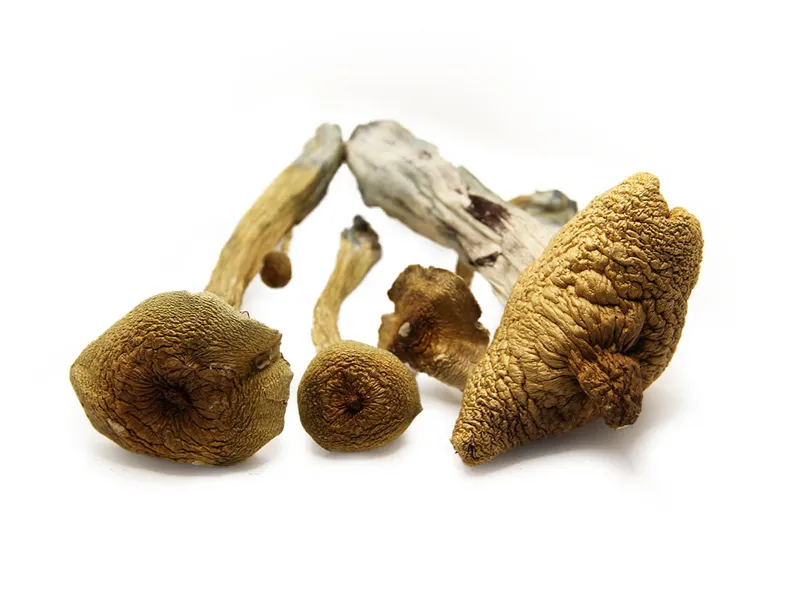
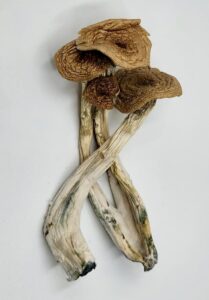
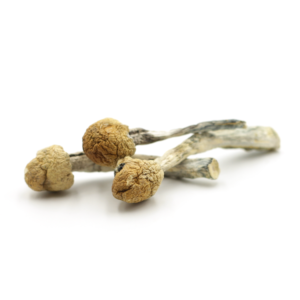
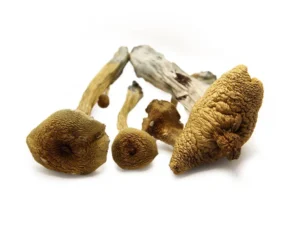
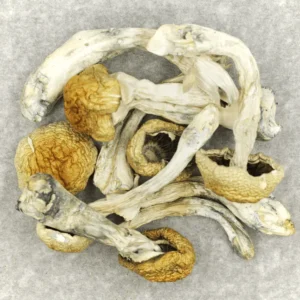
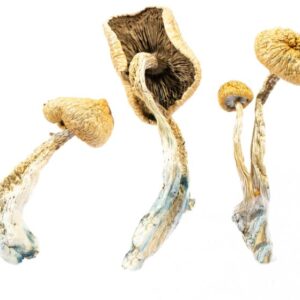
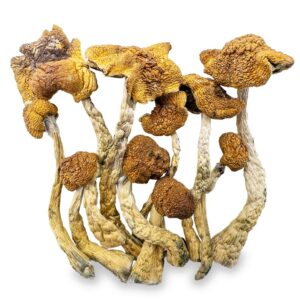
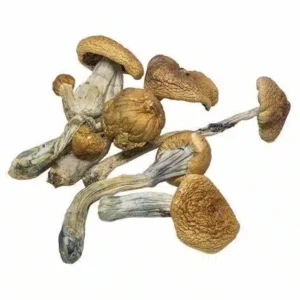
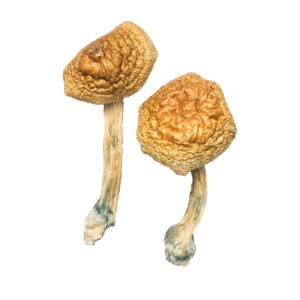
Alacabenzi mushrooms are visually striking and easily recognizable once you know what to look for. They typically produce large, robust fruiting bodies that make them appealing to cultivators and enthusiasts alike. The caps often range from golden tan to light brown, starting with a broad convex shape that flattens out as the mushroom matures.
One of the most distinctive features of Alacabenzi mushrooms is their impressive size. They are known for producing substantially larger fruiting bodies compared to many other Psilocybe cubensis strains, making them a favorite among cultivators seeking higher yields. The caps are complemented by thick, sturdy stems that provide structural support to these impressive specimens.
A key identifying characteristic, common to psilocybin-containing mushrooms, is the bluish bruising that appears when the mushrooms are handled or injured. This color change occurs due to the oxidation of psilocybin compounds and serves as a reliable indicator of the mushroom’s psychoactive potential.
Beneath the cap, the gills start as light gray and gradually darken with age, eventually developing a purplish-brown coloration as spores mature. This progression is typical of many Psilocybe cubensis varieties and can be used as an additional identification marker.
Potency and Psychoactive Profile
When it comes to potency, Alacabenzi mushroom are considered moderately potent, striking a perfect balance between effects and manageability. They contain psilocybin and psilocin as their primary psychoactive compounds, which interact with serotonin receptors in the brain to produce their characteristic effects.
Compared to more potent strains like Penis Envy or Blue Meanies, Alacabenzi offers a gentler introduction to the psychedelic experience. This moderate potency makes it an ideal option for beginners and intermediate users who want to explore consciousness-altering effects without being overwhelmed.
The psilocybin content in Alacabenzi mushroom can be influenced by various factors, including substrate materials and nutrient content during cultivation. Some research suggests that even factors like the diet of cows whose manure is used in substrate preparation can affect potency levels, though this connection requires further scientific validation.
Users consistently report that Alacabenzi provides a balanced psychedelic experience that sits perfectly in the middle of the spectrum—neither too mild nor too intense. This reliability makes it a popular choice for those seeking predictable effects and manageable experiences.
Effects and Experience
The Alacabenzi mushroom experience is characterized by its remarkable balance and harmony between different effect domains. Users typically report a well-rounded journey that includes both mental and physical sensations without leaning too heavily in any one direction.
Mental and Cognitive Effects
The mental effects of Alacabenzi often include:
- Enhanced mood: Many users experience a sense of euphoria and emotional upliftment that can last throughout the experience.
- Thought expansion: The strain is known for promoting creative thinking and novel perspectives on familiar concepts.
- Mental clarity: Despite its psychoactive properties, Alacabenzi often provides a sense of grounded clarity rather than confusion.
- Introspective depth: Users may find themselves engaged in meaningful self-reflection without becoming lost in overwhelming thoughts.
Physical Effects
On the physical level, Alacabenzi mushroom typically produce:
- Relaxation: A calm, relaxed body sensation that can relieve physical tension.
- Mild sensory enhancement: Slight amplification of tactile sensations and appreciation for physical comfort.
- Limited body load: Unlike some strains that can cause significant physical discomfort, Alacabenzi is generally gentle on the body.
Visual Effects
The visual components of the Alacabenzi experience tend to be moderate rather than intense:
- Mild visual distortions: Subtle changes in perception, such as slight enhancement of colors and patterns.
- Gentle visuals: Rather than overwhelming geometric patterns, users typically experience soft, flowing visual phenomena.
- Open-eye visuals: When present, these are usually subtle and integrated with the environment rather than dominating perception.
The overall Alacabenzi experience strikes a balance between fun and contemplation, making it ideal for those who prefer a laid-back psychedelic journey over an intense, introspective deep dive. Many users describe the effects as calming and euphoric, with heightened creativity and a sense of wonder that enhances rather than distorts reality.
Duration and Timeline
The Alacabenzi mushroom experience typically follows a timeline similar to other Psilocybe cubensis strains, with effects lasting approximately 4 to 6 hours from ingestion to return to baseline.
The general progression of effects can be broken down into several phases:
- Onset (20-60 minutes): After ingestion, users begin to notice initial effects, often starting with subtle physical sensations and changes in perception.
- Come-up (1-2 hours): Effects gradually intensify, reaching their peak during this period. This phase may include some nausea or stomach discomfort for some users.
- Peak (2-4 hours): The most intense part of the experience, characterized by the full range of mental, physical, and visual effects.
- Come-down (4-6 hours): Effects gradually subside, with users returning to baseline consciousness while often retaining insights and positive mood changes.
It’s worth noting that the duration and intensity of effects can vary significantly based on individual factors such as metabolism, sensitivity, dosage, and whether the mushrooms are consumed on an empty stomach. Compared to other psychedelics like LSD (which can last 12 hours or more), the Alacabenzi experience is relatively moderate in duration.
Therapeutic Potential and Applications
Like other psilocybin mushrooms, Alacabenzi is used for various purposes beyond recreational exploration, including potential therapeutic applications and spiritual practices.
Potential Therapeutic Uses
Research into psilocybin mushrooms has gained significant momentum in recent years, with publications on the topic increasing sharply since 2020 and peaking in 2024.7 While specific studies on Alacabenzi are limited, its balanced effects profile suggests potential applications in:
- Mood enhancement: Many users report lasting improvements in mood and outlook following experiences with Alacabenzi mushroom.
- Anxiety reduction: The calming physical effects combined with mental clarity may help alleviate symptoms of anxiety for some users.
- Creative thinking: The thought-expansion properties of Alacabenzi could be beneficial for creative problem-solving and artistic inspiration.
- Relaxation: The gentle physical effects make it potentially useful for stress relief and physical tension release.
Spiritual and Ceremonial Use
While Alacabenzi doesn’t have the extensive ceremonial history of some strains
of psilocybin mushrooms, its Mexican heritage connects it to traditions of spiritual exploration. The introspective yet manageable effects of Alacabenzi make it suitable for:
- Meditation practice: Many users find that the mental clarity and enhanced focus facilitate deeper meditation states.
- Self-reflection: The balanced effects support meaningful introspection without becoming overwhelming, making it ideal for personal growth work.
- Nature connection: The mild sensory enhancement can deepen appreciation for natural environments and promote feelings of interconnectedness.
- Spiritual exploration: For those seeking to explore consciousness, Alacabenzi provides a gentle entry point that balances the mystical with the grounded.
It’s important to note that while many users report therapeutic benefits, psilocybin mushrooms are not approved medications, and self-treatment should be approached with caution. Those with mental health conditions should consult with qualified healthcare professionals before considering psilocybin therapy.
Dosage Guidelines
Determining the appropriate dosage of Alacabenzi mushroom is crucial for achieving desired effects while minimizing potential challenges. Due to individual variations in sensitivity, metabolism, and body weight, these guidelines should be considered starting points that may require adjustment based on personal experience.
Dosage Ranges
- Microdose (0.1-0.3 grams): Typically used for subtle cognitive enhancement, mood improvement, and creativity without noticeable psychoactive effects. This approach has gained popularity for potential productivity and wellness benefits.
- Threshold dose (0.3-0.7 grams): Produces mild effects that may include slight mood elevation and sensory enhancement without full psychedelic effects.
- Recreational dose (1-2.5 grams): The most common range for experiencing the full spectrum of Alacabenzi effects while maintaining manageability. This dosage typically provides a balanced psychedelic experience suitable for most users.
- Intense dose (2.5-4 grams): For experienced users seeking more profound effects, including stronger visuals and deeper introspection. This range approaches the upper limits of what many consider comfortable for Alacabenzi.
- Heroic dose (5+ grams): Very high doses reserved for experienced psychonauts seeking deep transformative experiences. This approach should only be considered with proper preparation, setting, and ideally an experienced guide or sitter.
Factors Influencing Dosage
Several factors can affect how Alacabenzi mushroom impact an individual:
- Body weight: Heavier individuals may require slightly higher doses to achieve similar effects.
- Metabolism: Individual metabolic rates can affect how quickly psilocybin is processed and eliminated.
- Stomach contents: Consuming mushrooms on an empty stomach typically leads to faster onset and potentially stronger effects.
- Sensitivity: Natural variations in brain chemistry and sensitivity to psychedelics can significantly impact the experience.
- Tolerance: Regular use can lead to tolerance, requiring higher doses to achieve similar effects. It’s generally recommended to space experiences by at least 1-2 weeks to prevent tolerance buildup.
Harm Reduction and Safety Considerations
While Alacabenzi mushrooms are generally considered safe physiologically with low toxicity and low potential for dependence, responsible use requires attention to several important safety considerations.
Physical Safety
- Low toxicity: Psilocybin mushrooms have a high therapeutic index, meaning the difference between an active dose and a potentially toxic dose is substantial. Fatalities from psilocybin alone are extremely rare.
- Medical conditions: Individuals with certain medical conditions, particularly heart conditions or psychiatric disorders, should exercise caution and consult with healthcare professionals before using psilocybin mushrooms.
- Pregnancy and breastfeeding: Due to limited research on effects during pregnancy and lactation, avoidance is generally recommended during these periods.
- Medication interactions: Psilocybin can interact with certain medications, particularly psychiatric medications and MAOIs. Research potential interactions before combining with any pharmaceuticals.
Psychological Safety
- Set and setting: The mindset (set) and environment (setting) significantly influence the psychedelic experience. Choose a comfortable, safe environment and approach the experience with a positive, open mindset.
- Trip sitting: For higher doses or inexperienced users, having a sober, trusted person present can provide reassurance and assistance if needed.
- Integration: Taking time after the experience to reflect on insights and incorporate them into your life can enhance long-term benefits.
- Avoiding difficult experiences: While challenging experiences (bad trips) are relatively rare with Alacabenzi due to its gentle nature, they can still occur. Strategies for managing difficult moments include changing music, moving to a different space, focusing on breathing, or having a trip sitter provide reassurance.
Legal Considerations
The legal status of Alacabenzi mushrooms varies significantly by jurisdiction:
- United States: Classified as a Schedule I controlled substance at the federal level, though some cities and states have decriminalized or legalized psilocybin for therapeutic or personal use.
- Canada: Illegal to possess, produce, or distribute without authorization, though exemptions for therapeutic use have been granted in some cases.
- International: Legal status varies widely, with some countries having more permissive regulations while others maintain strict prohibitions.
Always research and comply with local laws regarding psilocybin mushrooms to avoid legal complications.
Cultivation Guide for Alacabenzi Mushrooms
For those interested in cultivating their own Alacabenzi mushroom, this strain offers several advantages that make it particularly suitable for both beginners and experienced growers. Its robust nature, impressive yields, and resistance to common contamination issues have made it a favorite in the cultivation community.
Cultivation Advantages
Alacabenzi mushrooms are prized by cultivators for several reasons:
- High yield potential: The large fruiting bodies and prolific flushes can result in substantial harvests compared to other strains.
- Contamination resistance: The Alabama strain genetics contribute impressive resilience against common contaminants, making it more forgiving for novice cultivators.
- Fast colonization: Alacabenzi typically colonizes substrate quickly, reducing the window for contamination to establish.
- Adaptability: This strain demonstrates good adaptability to various growing conditions and substrate types.
- Consistent results: When provided with appropriate conditions, Alacabenzi tends to produce reliable, predictable results.
Cultivation Methods
PF Tek Method
The PF (Psilocybe Fanaticus) Tek is a beginner-friendly method that works well for Alacabenzi mushrooms:
- Substrate preparation: Mix brown rice flour, vermiculite, and water to create a nutrient-rich substrate.
- Jar sterilization: Load substrate into glass jars and sterilize using a pressure cooker or steam sterilization.
- Inoculation: Once cooled, inoculate jars with Alacabenzi spore syringes in a sterile environment.
- Colonization: Incubate jars at approximately 75-80°F (24-27°C) until fully colonized.
- Fruiting: Transfer colonized cakes to a fruiting chamber with high humidity and indirect light.
- Harvesting: Pick mushrooms as the veils begin to break for maximum potency and quality.
Monotub Method
For larger yields, the monotub method is preferred by many cultivators:
- Bulk substrate preparation: Create a bulk substrate using materials like coco coir, vermiculite, and gypsum.
- Pasteurization: Pasteurize the substrate rather than fully sterilizing to preserve beneficial microorganisms.
- Spawning: Mix colonized grain spawn with the pasteurized bulk substrate in a large plastic tub.
- Colonization: Allow the tub to colonize in darkness with minimal air exchange.
- Fruiting conditions: Introduce fresh air exchange, maintain high humidity, and provide indirect light to initiate pinning.
- Harvesting: Harvest entire flushes at once for efficiency and to prepare for subsequent flushes.
Optimal Growing Conditions
Alacabenzi mushrooms thrive under specific conditions:
- Temperature: Optimal colonization occurs at 75-80°F (24-27°C), while fruiting prefers slightly cooler temperatures of 70-75°F (21-24°C).
- Humidity: High humidity (90-95%) is crucial during pinning and early fruiting stages.
- Fresh air exchange: Adequate air exchange becomes increasingly important as mushrooms develop to prevent CO2 buildup.
- Light: Indirect light on a 12/12 cycle is sufficient to trigger and maintain fruiting.
- pH: Slightly acidic conditions (pH 5.5-6.5) are optimal for most Psilocybe cubensis strains.
Common Challenges and Solutions
Even experienced cultivators may encounter challenges when growing Alacabenzi mushrooms:
- Contamination: While Alacabenzi shows good resistance, maintaining sterile technique is still crucial. Address contamination promptly by removing affected areas.
- Aborted fruits: Caused by sudden environmental changes or insufficient humidity. Maintain stable conditions to minimize aborts.
- Small yields: Often related to insufficient substrate depth or inadequate moisture. Ensure proper substrate depth and moisture content.
- Slow colonization: May indicate temperatures that are too low or poor genetics. Verify temperature and consider using faster-colonizing spawn.
Storage and Preservation
Proper storage of harvested Alacabenzi mushrooms is essential for preserving their potency and quality over time. When stored correctly, dried mushrooms can retain their psychoactive properties for extended periods, allowing for long-term use and experimentation.
Drying Methods
Before storage, Alacabenzi mushrooms must be properly dried to prevent mold and degradation:
- Air drying: Placing mushrooms on a screen or rack in a well-ventilated area away from direct sunlight. This method is gentle but can take several days.
- Desiccant drying: Using silica gel desiccant in a sealed container to absorb moisture more quickly. This method is more efficient than air drying alone.
- Food dehydrator: Setting a food dehydrator to low heat (95-110°F or 35-43°C) can dry mushrooms thoroughly in several hours.
- Drying chamber: Creating a simple chamber with a fan and desiccant can provide controlled drying conditions.
The goal is to reduce moisture content to below 10% to ensure long-term preservation. Properly dried mushrooms should be cracker-dry and snap rather than bend when handled.
Storage Techniques
Once thoroughly dried, Alacabenzi mushrooms can be stored using several methods:
- Airtight containers: Glass jars with tight-fitting lids are ideal for storing dried mushrooms. Adding a desiccant packet can help maintain dryness.
- Vacuum sealing: For long-term storage, vacuum-sealed bags remove oxygen and moisture, maximizing preservation.
- Cool, dark location: Store containers away from heat and light, which can degrade psilocybin over time. A pantry or cupboard is typically suitable.
- Refrigeration: For extended storage, refrigeration can further slow degradation, though proper sealing is essential to prevent moisture condensation.
- Freezing: For the longest-term preservation, freezing properly dried and sealed mushrooms can maintain potency for years.
When stored correctly, dried Alacabenzi mushrooms can maintain their potency for 1-2 years or longer, though gradual degradation may occur over time.
Potency Preservation
Several factors can affect the preservation of psilocybin and psilocin in stored mushrooms:
- Moisture control: Any residual moisture will lead to degradation and potential mold growth. Ensure mushrooms are completely dry before storage.
- Oxygen exposure: Oxygen contributes to the oxidation of psilocybin compounds. Minimizing oxygen exposure through vacuum sealing or oxygen absorbers can help preserve potency.
- Light protection: Light, especially UV light, can degrade psilocybin. Store mushrooms in opaque containers or dark locations.
- Temperature stability: Fluctuating temperatures can accelerate degradation. Consistent cool temperatures are ideal for long-term storage.
Comparison with Other Psilocybe Strains
Understanding how Alacabenzi mushroom compare to other popular Psilocybe cubensis strains can help users select the variety that best matches their preferences and experience level.
Alacabenzi vs. Golden Teacher
- Potency: Both strains are considered moderately potent, though some users report Golden Teacher as slightly more potent.
- Effects: Golden Teacher is often described as more philosophical and introspective, while Alacabenzi tends to be more balanced and recreational.
- Growth characteristics: Both strains are relatively easy to cultivate, though Alacabenzi typically produces larger fruiting bodies.
- Appearance: Golden Teacher mushrooms often have a more golden cap coloration, while Alacabenzi tends toward tan to light brown.
Alacabenzi vs. Penis Envy
- Potency: Penis Envy is significantly more potent than Alacabenzi, often requiring much smaller doses for similar effects.
- Effects: Penis Envy typically produces more intense visual and introspective experiences, while Alacabenzi offers a gentler, more balanced journey.
- Growth characteristics: Penis Envy is notoriously challenging to cultivate with lower yields, while Alacabenzi is robust and productive.
- Appearance: Penis Envy has a distinctive phallic appearance, while Alacabenzi has the more classic Psilocybe cubensis morphology.
Alacabenzi vs. B+ Strain
- Potency: Both strains are considered moderate in potency, making them suitable for beginners.
- Effects: B+ is often described as more euphoric and energetic, while Alacabenzi provides a more balanced, grounded experience.
- Growth characteristics: Both strains are vigorous and prolific producers, though Alacabenzi may produce slightly larger fruits.
- Appearance: B+ mushrooms often have a caramel-colored cap that can become quite large, similar to Alacabenzi.
Alacabenzi Mushroom vs. Blue Meanie (Panaeolus cyanescens)
- Potency: Blue Meanies are significantly more potent than Alacabenzi mushroom, often requiring doses 1/3 to 1/2 the size for similar effects.
- Effects: Blue Meanies typically produce more intense visual and cognitive effects, while Alacabenzi mushroom is gentler and more manageable.
- Species difference: Blue Meanies belong to a different species (Panaeolus cyanescens) with different cultivation requirements.
- Growth characteristics: Blue Meanies prefer different substrate and environmental conditions than Alacabenzi mushroom and are generally more challenging to cultivate.
This comparison demonstrates how Alacabenzi mushrooms occupy a middle ground in potency and effects, making them an excellent choice for those seeking a balanced psychedelic experience without the intensity of stronger strains or the subtlety of milder varieties.
Microdosing with Alacabenzi Mushroom
Microdosing has gained significant popularity as a way to potentially harness the benefits of psilocybin mushrooms without experiencing full psychedelic effects. Alacabenzi mushroom are particularly well-suited to this practice due to their balanced nature and moderate potency.
What is Microdosing?
Microdosing involves taking sub-perceptual doses of psychedelics—typically 1/10th to 1/20th of a recreational dose—on a regular schedule. The goal is not to experience overt psychoactive effects but rather to achieve subtle improvements in mood, creativity, focus, and overall well-being.
Potential Benefits of Microdosing Alacabenzi Mushroom
While research is still emerging, anecdotal reports suggest that microdosing with Alacabenzi mushroom may offer several potential benefits:
- Enhanced creativity: Many users report increased creative thinking and problem-solving abilities.
- Mood improvement: Regular microdosing may contribute to more stable, positive moods and emotional resilience.
- Increased focus: Some users experience improved concentration and productivity during work or study sessions.
- Reduced anxiety: The gentle calming effects of Alacabenzi mushroom may help alleviate symptoms of anxiety without impairment.
- Spiritual connection: Even at sub-perceptual doses, some users report a deeper sense of connection to themselves and others.
Microdosing Protocols
Several common protocols have emerged for psilocybin microdosing:
- Every other day: Taking a microdose every other day (or every third day) to prevent tolerance buildup.
- 5 days on, 2 days off: Following a weekday schedule with breaks on weekends.
- 1 dose per week: For those more sensitive to psilocybin’s effects.
The optimal protocol varies by individual, and experimentation is often necessary to find the most effective approach.
Dosage Considerations for Microdosing
For Alacabenzi mushroom, typical microdoses range from 0.1 to 0.3 grams of dried mushrooms:
- Beginners: Should start at the lower end of the range (0.1-0.15 grams) and assess effects before adjusting.
- Regular users: May require slightly higher doses (0.2-0.3 grams) to achieve desired effects.
- Sensitivity considerations: Individual sensitivity varies significantly, so personal experimentation is essential.
Preparation Methods
Several methods can be used to prepare precise microdoses:
- Precision weighing: Using a digital scale to measure accurate doses of dried mushrooms.
- Capsules: Grinding dried mushrooms and encapsulating precise doses for convenient consumption.
- Liquid solutions: Dissolving psilocybin in alcohol or water for more precise dosing.
- Chocolate infusion: Incorporating measured doses into chocolate for a more palatable option.
Integration and Tracking
To maximize benefits from microdosing, many users find it helpful to:
- Keep a journal: Tracking effects, mood, and productivity can help identify patterns and optimal dosing.
- Set intentions: Clarifying goals for microdosing can enhance focus and purpose.
- Practice mindfulness: Incorporating meditation or reflective practices can amplify subtle effects.
- Adjust as needed: Being responsive to effects and adjusting dosage or frequency as necessary.
Legal Status and Future Outlook
The legal landscape surrounding Alacabenzi mushroom and other psilocybin-containing fungi is rapidly evolving, with significant developments occurring in recent years.
Current Legal Status
As of 2026, the legal status of psilocybin mushrooms varies significantly by jurisdiction:
- United States: Classified as a Schedule I controlled substance at the federal level, but several cities (including Denver, Oakland, and Santa Cruz) have decriminalized psilocybin, and Oregon has legalized it for therapeutic use.
- Canada: Psilocybin remains illegal for recreational use but has been granted exemptions for some therapeutic applications through Health Canada’s Special Access Program.
- Europe: Legal status varies widely, with Portugal decriminalizing all drugs including psilocybin, while other countries maintain strict prohibitions.
- South America: Some countries like Brazil have relatively permissive regulations regarding psilocybin-containing mushrooms.
- Global trends: A growing movement toward psychedelic reform is spreading internationally, with more jurisdictions considering policy changes.
Therapeutic Recognition
The therapeutic potential of psilocybin mushrooms is gaining increasing recognition in mainstream medicine:
- FDA breakthrough therapy designation: Psilocybin has received this designation for treatment-resistant depression, accelerating research and development.
- Clinical trials: Numerous studies are exploring psilocybin’s efficacy for depression, anxiety, PTSD, addiction, and other conditions.
- Medical legalization: Some jurisdictions are beginning to legalize psilocybin specifically for medical use under controlled conditions.
- Insurance coverage: As research validates therapeutic applications, some insurance providers are beginning to cover psilocybin therapy in approved contexts.
Future Outlook
The future of Alacabenzi mushroom and psilocybin in general appears promising:
- Expanded therapeutic applications: Research is likely to identify additional conditions that may benefit from psilocybin treatment.
- Improved accessibility: As legal barriers decrease, access to psilocybin for therapeutic and potentially personal use may increase.
- Strain-specific research: Future studies may explore the unique properties and potential applications of specific strains like Alacabenzi mushroom.
- Quality standardization: As the market develops, standardized quality control measures may emerge to ensure safety and consistency.
- Integration into healthcare: Psilocybin therapy may become integrated into mainstream mental healthcare practices.
Conclusion: The Balanced Choice for Psilocybin Enthusiasts
Alacabenzi mushrooms represent a remarkable achievement in mycological cultivation—a strain that successfully balances potency, manageability, and cultivation ease. Their unique genetic heritage combines the best traits of their parent strains, resulting in a mushroom that offers a well-rounded psychedelic experience suitable for a wide range of users and applications.
Whether you’re a novice psychonaut seeking a gentle introduction to psilocybin, an experienced enthusiast looking for a balanced experience, or a cultivator interested in a productive and resilient strain, Alacabenzi mushroom offer something of value. Their moderate potency provides meaningful effects without overwhelming intensity, making them particularly suitable for therapeutic applications, spiritual exploration, and creative enhancement.
For cultivators, the robust growth characteristics, impressive yields, and contamination resistance of Alacabenzi mushroom make them an excellent choice for both beginners and experienced growers. Their adaptability to various growing conditions and reliable performance have established them as a favorite in the cultivation community.
As research into psilocybin mushrooms continues to expand and legal barriers gradually decrease, strains like Alacabenzi will likely play an important role in both therapeutic and personal use contexts. Their balanced effects profile makes them particularly suitable for the controlled environments of clinical therapy while still offering value for those seeking personal growth and exploration.
In the diverse landscape of Psilocybe cubensis strains, Alacabenzi mushroom occupy a unique middle ground—potent enough to provide meaningful experiences yet gentle enough to remain approachable. This balance, combined with their impressive cultivation characteristics, ensures that they will remain a popular choice among psilocybin enthusiasts for years to come.
As with all psychedelics, responsible use, proper preparation, and respect for these powerful substances are essential for safe and beneficial experiences. When approached with mindfulness and intention, Alacabenzi mushrooms can offer profound insights, therapeutic benefits, and meaningful journeys into consciousness that enrich life and foster personal growth.
You may also access lab-certified Ketamine analogues — like Ketamine Injection, Ketamine Nasal Spray Spravato (Esketamine), and Ketamine Pills — limited to research purposes. Shop Here
| Quantity | 14 G, Ounce, Quarter Pound, Half Pound, Pound |
|---|
Only logged in customers who have purchased this product may leave a review.
Related products
MAGIC MUSHROOM
MAGIC MUSHROOM
MAGIC MUSHROOM
MAGIC MUSHROOM
MAGIC MUSHROOM
MAGIC MUSHROOM
MAGIC MUSHROOM
MAGIC MUSHROOM
Reviews
There are no reviews yet.