
The Ultimate Guide to African Transkei Mushrooms: Origins, Effects, and Cultivation
Introduction to African Transkei Mushrooms
In the diverse world of psilocybin mushrooms, the African Transkei strain stands out as a remarkable specimen that has captured the attention of both psychonauts and mycologists alike. This unique Psilocybe cubensis variety originates from the Transkei region of South Africa, offering a distinctive psychedelic experience that combines visual intensity with profound introspection. The African Transkei mushroom is often referred to simply as Transkei or sometimes SAT (South African Transkei) by enthusiasts in the psychedelic community.
What sets the African Transkei strain apart is its remarkable potency and characteristic effects profile. Unlike many other Psilocybe cubensis varieties, Transkei mushrooms are known for delivering vivid visual experiences combined with a clean, energetic mental state that users often describe as clean and clear-headed. This unique combination has made the African Transkei mushroom a favorite among experienced psychonauts seeking profound journeys and cultivators looking for a challenging yet rewarding strain to grow.
The growing popularity of African Transkei mushrooms reflects a broader trend of interest in region-specific psilocybin strains, each with their unique characteristics and effects. As we explore this fascinating fungal specimen in detail, we’ll uncover its origins, cultivation requirements, effects profile, and place in the broader landscape of psychedelic mushrooms. Whether you’re a seasoned psychonaut, a curious beginner, or an aspiring cultivator, this comprehensive guide will provide you with everything you need to know about the African Transkei strain.
Origins and Geographic Heritage
The African Transkei strain derives its name from its place of origin – the Transkei region, located in the Eastern Cape province of South Africa. This area is characterized by its subtropical climate, rolling hills, and coastal regions that create ideal conditions for psilocybin mushrooms to grow naturally. The discovery of this particular strain is relatively recent in the history of mycology, with reports suggesting it was first collected and identified in the early 2000s.
Transkei holds significant historical and cultural importance as the homeland of Nelson Mandela and a region with rich traditions of spiritual practices. While there’s limited documentation of indigenous use of psilocybin mushrooms in this specific region, the area’s biodiversity and climate make it a natural habitat for various Psilocybe cubensis strains. The African Transkei mushroom represents one of the few psilocybin strains with confirmed origins in the African continent, making it particularly valuable to mycologists and geneticists studying the evolution and distribution of psychoactive fungi.
The isolation of the Transkei region likely contributed to the development of this strain’s unique genetic characteristics. Like island ecosystems that develop distinct species, the relative geographical separation allowed the African Transkei strain to evolve its particular potency and effects profile. This genetic isolation has made Transkei mushrooms particularly interesting to those studying the relationship between genetics and subjective effects in psilocybin mushrooms.
When the African Transkei mushroom was first introduced to the global mycology community, it quickly gained attention for its distinctive characteristics. Cultivators were impressed by its robust growth patterns and impressive potency, while psychonauts were drawn to its unique effects profile. Today, the African Transkei strain has established itself as one of the most sought-after varieties among both cultivators and experienced users seeking profound psychedelic experiences.
Physical Characteristics and Identification
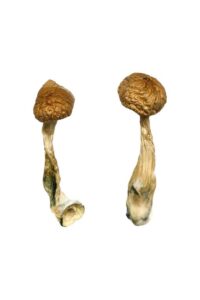
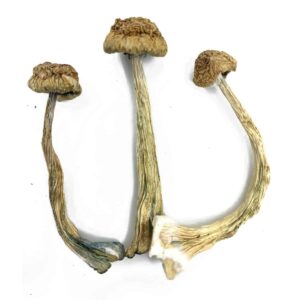
African Transkei mushrooms possess distinctive physical characteristics that make them identifiable to experienced mycologists and cultivators. Understanding these features is essential for proper identification and cultivation of this unique strain.
Cap Characteristics
The caps of African Transkei mushrooms typically exhibit:
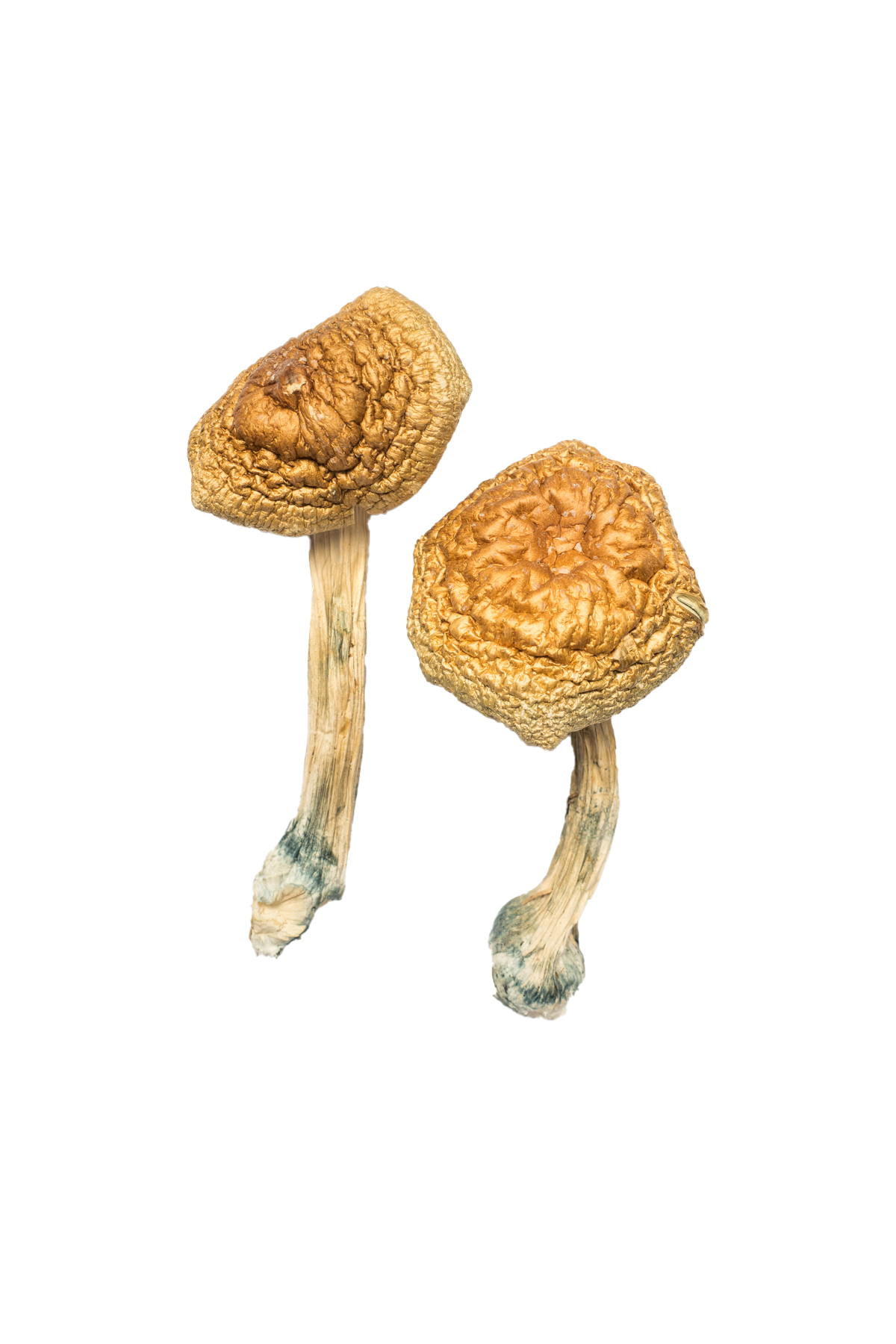
- Color: A distinctive caramel to reddish-brown coloration when fresh, often with a lighter center that creates a subtle gradient effect
- Shape: Broadly convex to nearly flat when mature, with a slight umbo (bump) in the center
- Size: Medium to large caps, typically ranging from 2-5 centimeters in diameter when fully mature
- Texture: Smooth to slightly sticky when moist, becoming dry and matte as the mushroom matures
- Margin: The cap margin is often decorated with remnants of the partial veil, creating a decorative edge
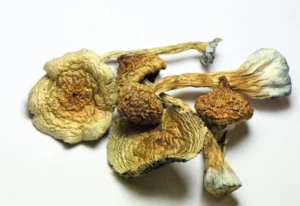
One of the most distinctive features of African Transkei mushroom caps is their tendency to develop beautiful blue bruising when handled or injured. This bluing reaction is caused by the oxidation of psilocin, a psychoactive compound present in the mushroom, and serves as a reliable indicator of the mushroom’s potency and authenticity.
Stem Characteristics
The stems (stipes) of African Transkei mushrooms are characterized by:
- Color: Typically white to off-white, often bruising blue at the base and where handled
- Thickness: Substantial and thick, providing sturdy support for the large caps
- Height: Can range from 4-8 centimeters, depending on growing conditions
- Texture: Smooth to slightly fibrous, with a solid interior rather than hollow
- Ring: Often features a persistent membranous ring (annulus) from the partial veil
The robust nature of African Transkei mushroom stems makes them particularly resilient during cultivation and harvesting. Their substantial size also contributes to the impressive overall weight of mature specimens.
Spore Print and Other Features
Additional identifying characteristics include:
- Spore print: Dark purple to brownish-black, typical of Psilocybe cubensis strains
- Gills: Adnate to adnexed attachment to the stem, starting as light gray and darkening to purplish-brown as spores mature
- Bruising reaction: Prominent blue bruising when damaged, a hallmark of psilocybin-containing mushrooms
- Growth pattern: Tends to grow in dense clusters with multiple mushrooms emerging from the same base
These physical characteristics, combined with knowledge of the mushroom’s origin and effects profile, make proper identification of African Transkei mushrooms achievable for those familiar with psilocybin mushroom morphology.
Potency and Chemical Profile
The African Transkei strain is renowned for its impressive potency, which places it among the more powerful Psilocybe cubensis varieties available today. Understanding its chemical profile and potency characteristics is essential for anyone considering consumption or cultivation of this remarkable mushroom.
Potency Ranking
In the hierarchy of Psilocybe cubensis strains, African Transkei mushrooms are generally considered to be:
- Above average potency: Significantly more potent than common strains like B+ or Golden Teacher
- Comparable to: Other potent strains such as Penis Envy, Malabar, and Tasmanian
- Less potent than: Extremely potent strains like true Penis Envy variants or certain Panaeolus cyanescens strains
This elevated potency means that users typically require smaller doses of African Transkei mushrooms to achieve effects comparable to larger doses of milder strains. For this reason, beginners are often advised to start with particularly low doses (0.5-1 gram) when first experimenting with this strain.
Chemical Composition
The psychoactive effects of African Transkei mushrooms are primarily due to their content of:
- Psilocybin: The primary psychoactive compound that converts to psilocin in the body
- Psilocin: The compound primarily responsible for the psychedelic effects
- Baeocystin: A minor psychoactive compound that may contribute to overall effects
- Norbaeocystin: Another minor compound with potential psychoactive properties
While specific quantitative analysis of African Transkei mushroom alkaloid content is limited, anecdotal reports and user experiences suggest that this strain has a particularly high psilocybin to psilocin ratio, which may contribute to its characteristic effects profile. The relatively high concentration of these compounds is what gives the African Transkei strain its reputation for potency.
Factors Influencing Potency
Several factors can affect the potency of African Transkei mushrooms:
- Genetics: The specific genetic lineage of the mushroom significantly influences its potential potency
- Growing conditions: Optimal substrate, humidity, and temperature can maximize potency development
- Harvest timing: Harvesting at the right moment (just as or just after the veil breaks) is crucial for peak potency
- Drying method: Proper drying techniques preserve psychoactive compounds better than improper methods
- Storage conditions: Cool, dark, dry storage maintains potency better than exposure to heat, light, or moisture
For those cultivating African Transkei mushrooms, attention to these factors can significantly impact the final potency of the harvest. Similarly, consumers should consider these variables when evaluating the quality and potential effects of mushrooms they acquire.
Effects and Experience Profile
The African Transkei mushroom experience is renowned for its distinctive character, combining visual intensity with mental clarity and energetic effects. Understanding this unique effects profile is essential for anyone considering consumption of this potent strain.
Visual Effects
One of the most celebrated aspects of the African Transkei strain is its remarkable visual effects:
- Intensity: Visuals are often described as more vivid and intense than those produced by many other Psilocybe cubensis strains.
- Clarity: Visuals tend to be sharp and clear rather than dreamy or hazy
- Variety: Users report a wide spectrum of visual phenomena, including:
- Geometric patterns and fractals
- Color enhancement and shifting
- Melting and flowing of surfaces
- Visual distortions of objects and environments
- Closed-eye visuals of exceptional detail and complexity
- Duration: Visual effects often persist throughout the experience, with peaks occurring 2-4 hours after consumption
The visual intensity of African Transkei mushrooms is one of their most distinguishing characteristics, often compared favorably to strains specifically known for their visual properties like Penis Envy or Tasmanian varieties.
Mental and Cognitive Effects
The mental effects of African Transkei mushrooms are equally distinctive:
- Clarity: Despite the intensity, users often report maintaining mental clarity and lucidity
- Energy: Many experience a stimulating, energetic mental state rather than sedation
- Thought patterns: Thoughts may become more fluid, creative, and associative
- Ego effects: At moderate doses, the ego-dissolving effects are present but not overwhelming
- Introspection: The strain can facilitate deep self-reflection without excessive emotional intensity
- Problem-solving: Some users report enhanced ability to approach problems from new perspectives
This combination of intensity and clarity makes the African Transkei mushroom experience particularly suitable for creative pursuits, personal insight, and spiritual exploration for those with some experience with psychedelics.
Emotional Effects
The emotional dimension of the African Transkei strain experience is characterized by:
- Elevated mood: Many users experience euphoria and positive emotional states
- Emotional openness: Enhanced emotional sensitivity and expression
- Reduced anxiety: Despite its potency, the strain often produces less anxiety than equally potent varieties
- Empathy and connection: Increased feelings of connection to others and the natural world
- Emotional range: The capacity to explore a full spectrum of emotions without becoming overwhelmed
The emotional effects of African Transkei mushrooms contribute to their popularity for therapeutic and personal growth applications, though their intensity makes them more suitable for experienced users than beginners.
Physical Effects
On the physical level, African Transkei mushrooms typically produce:
- Energy: Many users experience physical stimulation and increased energy
- Body sensations: Pleasant tingling, warmth, or buzzing sensations
- Minimal body load: Compared to some strains, Transkei is often described as having a “clean” physical component
- Dilated pupils: A common physiological response to psilocybin
- Increased heart rate: Typical of stimulating psychedelics
- Nausea: Some users experience mild nausea during the onset period
The physical effects of African Transkei mushrooms are generally considered manageable and often contribute positively to the overall experience rather than causing discomfort.
Dosage Guidelines for African Transkei Mushrooms
Due to the elevated potency of African Transkei mushrooms, proper dosage is crucial for ensuring a safe and positive experience. The following guidelines should be considered starting points, with individual variations in sensitivity, metabolism, and body weight potentially requiring adjustments.
Microdosing
For those seeking sub-perceptual effects, African Transkei mushroom microdoses typically range from:
- 0.05-0.1 grams: Very subtle effects, primarily for mood enhancement and creativity
- 0.1-0.2 grams: Slight perceptual shifts with enhanced creativity and focus
- 0.2-0.3 grams: More noticeable effects while remaining sub-perceptual to others
Due to the strain’s potency, beginners should start at the lower end of this range and adjust based on personal sensitivity. Microdosing African Transkei mushrooms has gained popularity for potential benefits in mood, creativity, and cognitive function.
Recreational Doses
For full psychedelic experiences, African Transkei mushroom dosages typically include:
- Threshold dose (0.5-1 gram): Mild effects with slight visual enhancement and mood elevation
- Light dose (1-2 grams): Noticeable psychedelic effects with moderate visuals and introspection
- Common dose (2-3.5 grams): Full psychedelic experience with intense visuals and deep introspection
- Strong dose (3.5-5 grams): Powerful psychedelic experience with potential for ego dissolution
Compared to less potent strains, these dosage ranges are slightly reduced to account for the African Transkei strain’s elevated potency. Beginners should start with doses no higher than 1-1.5 grams to assess sensitivity.
Heroic Doses
For experienced psychonauts seeking profound experiences:
- 5+ grams: Extremely intense psychedelic experience with potential for complete ego dissolution
- Warning: These doses should only be considered by those with extensive experience with psilocybin mushrooms
- Preparation: Proper set, setting, and integration practices are essential for these experiences
Due to the intensity of African Transkei mushrooms, heroic doses can produce exceptionally powerful experiences that may be overwhelming even for experienced users.
Dosage Adjustment Factors
Several factors can influence appropriate African Transkei mushroom dosages:
- Individual sensitivity: Natural variations in sensitivity to psilocybin
- Body weight: Heavier individuals may require slightly higher doses
- Stomach contents: Consuming on an empty stomach intensifies effects
- Recent psychedelic use: Tolerance develops quickly with psilocybin
- Mental state: Pre-existing mental conditions can affect sensitivity
- Environment: Setting and comfort level can influence perceived intensity
Always start with lower doses when uncertain and increase gradually in subsequent experiences once personal sensitivity is established.
Cultivation Guide for African Transkei Mushrooms
For those interested in cultivating their own African Transkei mushrooms, this strain presents unique challenges and rewards. Understanding its specific cultivation requirements is essential for successful grows.
Cultivation Difficulty
African Transkei mushrooms are generally considered:
- Intermediate difficulty: More challenging than beginner strains like B+ or Golden Teacher
- Suitable for: Those with some prior cultivation experience
- Challenges: Requires careful attention to environmental conditions
- Rewards: Impressive potency and yields for successful cultivators
While not recommended for absolute beginners, those with successful grows of easier strains can attempt African Transkei mushrooms with proper preparation and attention to detail.
Substrate Preferences
African Transkei mushrooms thrive on various substrates, with preferences including:
- Brown rice flour and vermiculite: Standard PF Tek substrate
- Coco coir based substrates: Bulk substrate options with good results
- Manure enriched substrates: Horse or cow manure additions can boost yields
- Supplemented substrates: Additions like gypsum, coffee grounds, or worm castings
The African Transkei strain is not particularly picky about substrate but responds well to nutrient-rich options that support its vigorous growth patterns.
Environmental Requirements
Optimal growing conditions for African Transkei mushrooms include:
- Temperature: 75-80°F (24-27°C) during colonization, slightly cooler during fruiting
- Humidity: 90-95% humidity during pinning and early fruiting
- Fresh air exchange: Regular air exchange becomes increasingly important as mushrooms develop
- Light: Indirect light on a 12/12 cycle to initiate and maintain fruiting
- pH: Slightly acidic conditions (pH 5.5-6.5) are optimal
Maintaining stable environmental conditions is particularly important for African Transkei mushrooms, which can be sensitive to fluctuations that might not affect more resilient strains.
Fruiting Characteristics
The fruiting patterns of African Transkei mushrooms include:
- Pin formation: Often occurs in dense clusters with multiple pins developing simultaneously
- Growth rate: Moderate to fast once pinning begins
- Yield: Above average yields when conditions are optimal
- Flush patterns: Typically produces 2-3 substantial flushes before diminishing
- Harvest timing: Veil breaking or slightly after is ideal for peak potency
The robust nature of African Transkei mushroom fruiting bodies makes them particularly satisfying to cultivate, with substantial specimens that showcase the strain’s genetic potential.
Common Cultivation Challenges
Cultivators of African Transkei mushrooms may encounter:
- Contamination sensitivity: More susceptible to contamination than beginner strains
- Environmental precision: Requires more precise environmental control
- Genetic variation: Some isolates may be more challenging than others
- Moisture management: Requires careful balance to prevent drying or over-saturation
These challenges can be managed with proper sterile technique, environmental monitoring, and patience during the cultivation process.
Storage and Preservation
Proper storage and preservation techniques are essential for maintaining the potency and quality of harvested African Transkei mushrooms. Given their elevated potency, proper preservation becomes even more important to ensure consistent effects and safety.
Drying Methods
Effective drying of African Transkei mushrooms includes:
- Air drying: Placing mushrooms on a screen in a well-ventilated area away from direct light
- Desiccant drying: Using silica gel desiccant in a sealed container to absorb moisture
- Food dehydrator: Setting a food dehydrator to low heat (95-110°F or 35-43°C) for thorough drying
- Drying chamber: Creating a chamber with a fan and desiccant for controlled drying conditions
The goal is to reduce moisture content to below 10% to ensure long-term preservation while maintaining the psychoactive compounds that give African Transkei mushrooms their distinctive properties. Properly dried mushrooms should be cracker-dry and snap rather than bend when handled.
Storage Techniques
Once thoroughly dried, African Transkei mushrooms can be preserved using several methods:
- Airtight containers: Glass jars with tight-fitting lids are ideal for storing dried mushrooms
- Vacuum sealing: For long-term storage, vacuum-sealed bags remove oxygen and moisture
- Cool, dark location: Store containers away from heat and light, which can degrade psilocybin
- Refrigeration: For extended storage, refrigeration can further slow degradation
- Freezing: For the longest-term preservation, freezing properly dried mushrooms can maintain potency for years
When stored correctly, dried African Transkei mushrooms can maintain their impressive potency for 1-2 years or longer, though gradual degradation may occur over time. Given their elevated potency, proper storage is particularly important to prevent unintentional consumption of overly strong doses due to concentration effects from improper storage.
Potency Preservation
Several factors affect the preservation of psilocybin and psilocin in stored African Transkei mushrooms:
- Moisture control: Any residual moisture will lead to degradation and potential mold growth
- Oxygen exposure: Oxygen contributes to the oxidation of psilocybin compounds
- Light protection: Light, especially UV light, can degrade psilocybin and related compounds
- Temperature stability: Fluctuating temperatures can accelerate degradation processes
For African Transkei mushrooms, with their particularly high concentration of psychoactive compounds, these preservation techniques are especially important to maintain the consistent effects that users expect from this potent strain.
Comparison with Other Psilocybe Strains
Understanding how African Transkei mushrooms compare to other popular psilocybin strains can help users select the variety that best matches their preferences and experience level. These comparisons highlight the unique position of the African Transkei strain in the diverse landscape of psychedelic mushrooms.
African Transkei vs. Golden Teacher
- Potency: African Transkei mushrooms are significantly more potent than Golden Teachers
- Visuals: Transkei produces more intense and vivid visual experiences
- Mental effects: Both strains offer clarity, but Transkei is more energetic and stimulating
- Cultivation: Golden Teachers are generally easier to cultivate and more forgiving of mistakes
- Beginner suitability: Golden Teachers are more suitable for beginners due to lower potency
While both strains are popular, African Transkei mushrooms are preferred by those seeking intensity, while Golden Teachers are favored for their gentle introduction to psilocybin experiences.
African Transkei vs. Penis Envy
- Potency: Both strains are highly potent, though Penis Envy varieties are often slightly more potent
- Visuals: Both produce intense visuals, though Transkei’s are often described as clearer or more geometric
- Mental effects: Transkei tends to be more energetic, while Penis Envy is often more introspective
- Cultivation: Penis Envy is notoriously difficult to cultivate, while Transkei is moderately challenging
- Yield: Transkei typically produces higher yields than Penis Envy strains
These two strains are often compared as premium options for experienced users, with African Transkei mushrooms offering a more energetic experience and Penis Envy providing deeper introspection.
African Transkei vs. B+ Strain
- Potency: African Transkei mushrooms are substantially more potent than B+ mushrooms
- Effects: B+ is known for euphoric, social effects, while Transkei is more intense and visual
- Cultivation: B+ is one of the easiest strains to cultivate, while Transkei requires more attention
- Appearance: B+ mushrooms often have larger caps but are less dense than Transkei
- Beginner suitability: B+ is much more suitable for beginners due to lower potency and easier cultivation
The contrast between these strains highlights the range of experiences available within the Psilocybe cubensis species, with African Transkei mushrooms representing the more potent end of the spectrum.
African Transkei vs. Blue Meanie (Panaeolus cyanescens)
- Species difference: Blue Meanies belong to a different species (Panaeolus cyanescens)
- Potency: Blue Meanies are generally more potent than even African Transkei mushrooms
- Effects: Both produce intense visuals, but Blue Meanies are often described as more chaotic
- Cultivation: Blue Meanies prefer different substrate and environmental conditions
- Appearance: Blue Meanies are typically smaller and more delicate than Transkei mushrooms
This comparison demonstrates how African Transkei mushrooms rank among the most potent Psilocybe cubensis strains, though some species like Panaeolus cyanescens exceed them in potency while requiring different cultivation approaches.
Therapeutic Potential and Applications
Like other psilocybin mushrooms, African Transkei mushrooms have garnered interest for their potential therapeutic applications. While specific research on this strain is limited, its potency and effects profile suggest particular promise for certain applications.
Potential Therapeutic Uses
The characteristics of African Transkei mushrooms may make them particularly suitable for:
- Depression treatment: The euphoric and energizing effects could benefit those with depression
- Creative blockage: The thought-enhancing properties may help overcome creative obstacles
- Spiritual exploration: The combination of visuals and clarity supports deep spiritual experiences
- Personal growth: The introspective qualities can facilitate meaningful self-reflection
- End-of-life anxiety: The mystical-type experiences may help alleviate existential distress
While these applications remain investigational, the unique balance of effects in African Transkei mushrooms makes them a subject of interest for psychedelic-assisted therapy research.
Research Considerations
Several factors make African Transkei mushrooms interesting for therapeutic research:
- Consistent potency: Standardized dosing is easier with consistently potent strains
- Clarity of experience: The clear-headed effects may be more suitable for therapeutic contexts
- Visual intensity: The strong visual component could be valuable for certain therapeutic approaches
- Positive emotional valence: The euphoric qualities may enhance therapeutic outcomes
As psychedelic research continues to expand, strain-specific effects like those of African Transkei mushrooms may become increasingly important for matching particular strains to specific therapeutic applications.
Integration and Harm Reduction
For those using African Transkei mushrooms for therapeutic or personal growth purposes:
- Preparation: Proper mental preparation is essential for maximizing therapeutic benefits
- Setting: A comfortable, safe environment enhances the potential for positive outcomes
- Integration: Post-experience integration helps translate insights into lasting change
- Professional guidance: For therapeutic applications, professional guidance is recommended
- Dosage consideration: Appropriate dosing is crucial for therapeutic rather than overwhelming experiences
The potency of African Transkei mushrooms makes these harm reduction practices particularly important for ensuring safe and beneficial experiences.
Legal Status and Future Outlook
The legal landscape surrounding African Transkei mushrooms reflects the broader status of psilocybin mushrooms worldwide, with significant developments occurring in recent years.
Current Legal Status
As of 2026, the legal status of African Transkei mushrooms varies by jurisdiction:
- United States: Classified as a Schedule I controlled substance at the federal level, though some cities have decriminalized psilocybin
- Canada: Illegal for recreational use but available through some therapeutic exemptions
- Europe: Legal status varies widely, with some countries more permissive than others
- South Africa: The country of origin maintains prohibition, though enforcement varies
- Global trends: A growing movement toward psychedelic reform is spreading internationally
The legal status of African Transkei mushrooms follows that of psilocybin-containing mushrooms generally, with no specific regulations addressing this particular strain.
Therapeutic Recognition
The therapeutic potential of psilocybin mushrooms is gaining increasing recognition:
- FDA breakthrough therapy designation: Psilocybin has received this designation for treatment-resistant depression
- Clinical trials: Numerous studies are exploring psilocybin’s efficacy for various conditions
- Medical legalization: Some jurisdictions are beginning to legalize psilocybin for medical use
- Insurance coverage: As research validates therapeutic applications, some insurance providers are beginning to cover psilocybin therapy
While specific research on African Transkei mushrooms is limited, these developments create potential future pathways for therapeutic use of this and other psilocybin strains.
Future Outlook
The future of African Transkei mushrooms appears promising in several respects:
- Strain-specific research: Future studies may explore the unique properties of specific strains like Transkei
- Cultivation advancement: Improved cultivation techniques may make potent strains more accessible
- Legal reform: Continuing legal reform may increase accessibility for therapeutic and personal use
- Quality standardization: As the market develops, standardized quality control measures may emerge to ensure safety and consistency.
- Therapeutic application: As research progresses, specific strains may be matched to particular therapeutic applications.
The future of African Transkei mushrooms will likely reflect broader trends in psychedelic research, legalization, and therapeutic application, with this distinctive strain potentially finding its place in both therapeutic and personal use contexts.
Conclusion: The Potent Choice for Experienced Psychonauts
African Transkei mushrooms represent a remarkable addition to the diverse world of Psilocybe cubensis strains, offering a unique combination of potency, visual intensity, and mental clarity that sets them apart from many other varieties. Their South African origins give them a distinctive genetic heritage that manifests in their characteristic effects profile and cultivation requirements.
For experienced psychonauts seeking intense visual experiences combined with mental clarity and energetic effects, African Transkei mushrooms provide an exceptional option. Their potency places them among the more powerful Psilocybe cubensis strains available, making them particularly suitable for those with previous psychedelic experience who are seeking to deepen their explorations of consciousness.
The cultivation challenges presented by African Transkei mushrooms are rewarded with impressive yields and potency, making them a favorite among experienced cultivators looking to expand their mycological skills. Their specific environmental requirements and sensitivity to conditions demand attention and precision, but successful cultivation provides a deep sense of accomplishment and a supply of exceptionally potent mushrooms.
As research into psilocybin mushrooms continues to expand and legal barriers gradually decrease, strains like African Transkei will likely play an important role in both therapeutic and personal use contexts. Their unique balance of visual intensity and mental clarity makes them particularly suitable for certain therapeutic applications while also offering profound experiences for those seeking personal growth and spiritual exploration.
In the diverse landscape of psilocybin mushrooms, African Transkei mushrooms occupy a distinctive position as a potent, visually intense, and mentally clear strain that rewards experienced users with profound psychedelic journeys. Their South African heritage adds to their mystique and genetic uniqueness, making them a fascinating subject for both scientific research and personal exploration.
As with all potent psychedelics, responsible use, proper preparation, and respect for these powerful substances are essential for safe and beneficial experiences. When approached with mindfulness and appropriate experience, African Transkei mushrooms can offer extraordinary insights, therapeutic benefits, and transformative journeys into consciousness that expand understanding and enrich life.
One can also secure Magic Mushrooms products that are lab-validated and purity-tested — e.g., mushroom capsules, mushroom edibles, and mushroom tea — strictly for laboratory research. Visit Shop
| Quantity | 14 G, Ounce, Quarter Pound, Half Pound, Pound |
|---|
Only logged in customers who have purchased this product may leave a review.
Related products
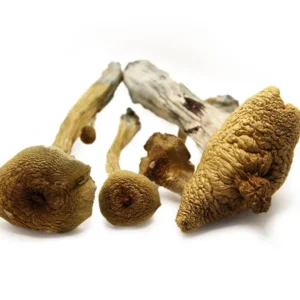
MAGIC MUSHROOM
MAGIC MUSHROOM
MAGIC MUSHROOM
MAGIC MUSHROOM
MAGIC MUSHROOM
MAGIC MUSHROOM
MAGIC MUSHROOM
MAGIC MUSHROOM
Reviews
There are no reviews yet.