
Buy Amazonian Mushroom Online
Price range: $180.00 through $1,100.00
Discover the legendary Amazonian mushroom strain, a robust Psilocybe cubensis variety with a rich history tracing back to Terence McKenna. When you buy amazonian mushroom spores, you’re acquiring a piece of mycological history, believed to be the genetic ancestor of famous strains like Penis Envy. These spores are prized for their fast growth, large fruiting body potential, and exceptionally dense, purple-black spores, making them perfect for microscopic research and taxonomic study. Our Amazonian mushroom spores are 100% contaminant-free, ideal for both novice researchers and experienced mycologists. Explore the genetic legacy of the PES Amazonian mushroom and add this foundational strain to your collection today.
Amazonian Mushroom Spores: The Ultimate Guide to the Legendary PES Amazonian Strain
Introduction to Amazonian Mushrooms
The Amazonian mushroom strain stands as one of the most revered and storied varieties in the world of mycology. Originating from the lush, biodiverse Amazon rainforest, this particular strain of Psilocybe cubensis has captivated researchers, enthusiasts, and microscopic investigators for decades with its robust characteristics and historical significance. When you buy amazonian mushroom spores, you’re not just acquiring a specimen for microscopic study; you’re obtaining a piece of mycological history that traces its lineage back to the legendary ethnobotanist Terence McKenna, who first retrieved this remarkable variety from its natural habitat.
What makes the Amazonian mushrooms particularly fascinating is their genetic legacy. Many mycology experts believe this strain to be the genetic ancestor of the world-famous Penis Envy variety, making it a foundational specimen in the Psilocybe cubensis family tree. This prestigious lineage has contributed to its enduring popularity among both novice researchers and experienced mycologists who appreciate its distinctive characteristics and historical importance in the study of psychoactive fungi.
The PES Amazonian mushroom (named after Pacifica Exotica Spora, the company that first developed this strain after its discovery) represents a perfect balance of accessibility for beginners and complexity for advanced researchers. Its unique combination of rapid growth, distinctive morphology, and abundant spore production makes it an ideal subject for microscopic study and taxonomic research, explaining why so many people seek to buy amazonian mushroom spores for their collections.
Origins and Historical Significance
The story of the Amazonian mushroom strain begins in the heart of the world’s largest rainforest, where these mushrooms grow naturally in the humid, nutrient-rich environment. Terence McKenna, the renowned author and ethnobotanist, is credited with retrieving the original specimen during his explorations of the Amazon region in the 1970s. This discovery would later prove to be one of the most significant contributions to the study of Psilocybe cubensis varieties, as it provided researchers with a genetically unique strain that would eventually give rise to other legendary varieties.
Pacifica Exotica Spora (PES) became the first company to cultivate and distribute this particular strain, earning it the name PES Amazonian mushroom in the mycological community. Their work in stabilizing the genetics and making it available to researchers worldwide helped establish this variety as one of the foundational strains for both microscopic study and genetic research. The company’s pioneering efforts ensured that this remarkable Amazonian specimen would be preserved and studied for generations to come.
The historical importance of this strain cannot be overstated. When you buy amazonian mushroom spores, you’re connecting with a lineage that has influenced the development of numerous other strains over the decades. Many researchers believe that the famous Penis Envy strain is a genetic descendant of the Amazonian variety, making it an essential reference point for understanding the evolution and diversification of Psilocybe cubensis genetics. This historical significance adds an extra layer of fascination for those who study this remarkable specimen under the microscope.
Morphology and Distinctive Characteristics
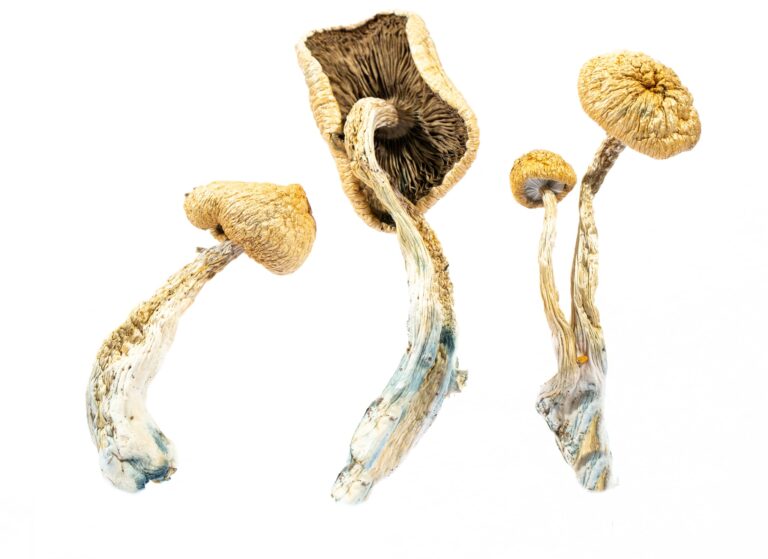
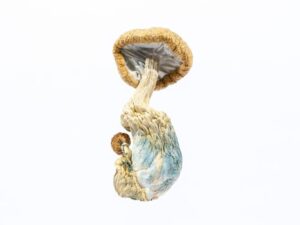
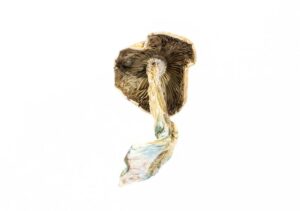
One of the most compelling reasons to buy amazonian mushroom spores is the strain’s distinctive morphological features. The Amazonian mushrooms are renowned for their impressive size and robust structure, developing very thick and meaty stems with exceptionally large caps when fully matured. This substantial size makes them particularly interesting subjects for microscopic study, as their cellular structures are well-developed and easily observable under magnification.
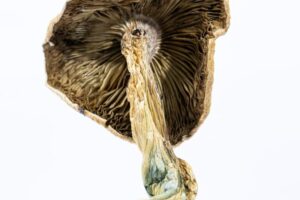
The PES Amazonian mushroom exhibits several distinguishing characteristics that set it apart from other Psilocybe cubensis varieties. The caps typically display a pronounced nipple-like protrusion at the center, giving them a distinctive appearance that makes them easily identifiable even to novice researchers. When bruised or cut, these mushrooms exhibit a characteristic blue coloration, which is an indicator of the presence of psilocybin-related compounds (though the spores themselves contain no psychoactive substances). This bluing reaction is particularly pronounced in the Amazonian strain, making it a fascinating subject for chemical and morphological studies.
Under the microscope, Amazonian mushroom spores reveal their true beauty. The spores are purple-black in color and are known for their particularly dense and abundant production. This prolific spore production makes them especially valuable for researchers who need ample specimens for extended study or multiple experiments. The spores themselves are considered among the most beautiful of all magic mushroom varieties, with intricate patterns and structures that make them captivating subjects for microscopic photography and detailed taxonomic analysis.
Microscopic Research Value
For mycology researchers and microscopy enthusiasts, the decision to buy amazonian mushroom spores represents an investment in quality research material. The Amazonian mushrooms produce spores that are exceptionally well-suited for microscopic study, offering clear visibility of cellular structures, spore morphology, and developmental patterns that can inform broader understanding of fungal biology.
The spores from the Amazonian mushroom strain are particularly valued for their educational potential. They are simple enough for novice researchers to study and identify, yet complex enough to offer intriguing insights for experienced mycologists looking to expand their knowledge of Psilocybe cubensis varieties. This accessibility across skill levels has made them a staple in educational settings, research laboratories, and private collections worldwide.
When you buy amazonian mushroom spores from reputable suppliers, you typically receive them in one of two formats: spore prints or spore syringes. Spore prints are created by allowing mature mushrooms to release their spores onto a sterile surface, forming intricate patterns that reflect the species’ structure. Spore syringes, on the other hand, contain spores suspended in a sterile aqueous solution, often with less than 1% surfactant by volume to ensure even dispersion throughout the solution. Both formats offer excellent opportunities for microscopic study, with syringes being particularly convenient for immediate observation without additional preparation.
Cultivation Research and Growth Patterns
While Amazonian mushroom spores are intended strictly for microscopic research and identification purposes, studying their growth patterns provides valuable insights into fungal biology and genetics. The Amazonian mushroom strain is renowned for its lightning-fast growing speed and vigorous colonization patterns, making it a fascinating subject for mycological research focused on development cycles and environmental adaptations.
In natural settings, Amazonian mushrooms are known to grow like weeds in the Amazon rainforest, demonstrating remarkable resilience and adaptability to their native environment. This robust growth characteristic translates to laboratory settings as well, where the strain exhibits rapid colonization and vigorous development under optimal conditions. Researchers studying these growth patterns can gain valuable insights into fungal biology, environmental adaptation mechanisms, and genetic expression in Psilocybe cubensis varieties.
The PES Amazonian mushroom has developed specific adaptations that reflect its Amazonian origins. It thrives particularly well in warm temperatures and high humidity conditions that mimic its natural rainforest habitat. These environmental preferences make it an excellent subject for studying the relationship between environmental factors and fungal development, providing researchers with a model organism for investigating how tropical fungi respond to varying conditions in controlled settings.
Legal Considerations for Research
An important aspect to consider when you buy amazonian mushroom spores is their legal status in various jurisdictions. In most areas throughout the United States, psilocybin mushroom spores contain no psilocybin or psilocin—the psychoactive compounds found in mature fruiting bodies—making them completely legal to purchase and possess for microscopic research and identification purposes.
This legal distinction is crucial for researchers and microscopy enthusiasts. While mature Amazonian mushrooms containing psychoactive compounds are regulated in many jurisdictions, the spores themselves are generally considered legal for research purposes in most states. However, it’s essential to check local laws before ordering, as regulations can vary significantly between different states and countries. Reputable vendors typically include disclaimers emphasizing that their spores are intended strictly for microscopic research and identification purposes only, not for cultivation or human consumption.
When you buy amazonian mushroom spores, it’s important to understand and respect these legal boundaries. Vendors typically maintain strict policies regarding communication that implies intent to harvest or cultivate Psilocybe Cubensis mushrooms, with such communications potentially resulting in order cancellation and refund. This adherence to legal guidelines helps ensure that spore research can continue within appropriate legal frameworks while maintaining compliance with local regulations.
Quality Considerations When Purchasing Spores
For those looking to buy amazonian mushroom spores, quality should be a primary consideration. Reputable vendors take extensive measures to ensure their spore products meet high standards for purity, viability, and research value. For example, some companies produce and package all their products in ISO Class 7 cleanrooms, guaranteeing that customers receive mushroom spores that are 100% contaminant-free. This level of quality control is essential for reliable microscopic research and accurate identification.
Spore density is another important quality factor when you buy amazonian mushroom spores. High-quality spore syringes should contain spore counts beyond what most competitors in the industry offer, ensuring that researchers have more than enough viable spores for their studies. This abundance is particularly valuable for researchers who need to conduct multiple observations or who want to document various stages of spore development under the microscope.
The Amazonian mushroom strain is known for its robust spores that maintain viability well under proper storage conditions. When you buy amazonian mushroom spores, look for vendors who provide clear information about storage recommendations and shelf life. Properly stored spores can remain viable for extended periods, though refrigeration is typically recommended for long-term preservation of spore syringes and prints.
Microscopic Identification Techniques
Proper identification is a crucial aspect of mycological research when you buy amazonian mushroom spores. The Amazonian mushrooms have distinctive microscopic features that help researchers accurately identify this particular strain. Under magnification, the spores typically measure between 8-12 micrometers and have an elliptical to oblong shape with a thick wall structure. These characteristics, combined with their distinctive purple-black coloration, make them relatively easy to identify for those familiar with Psilocybe cubensis microscopy.
When studying Amazonian mushroom spores under the microscope, researchers typically use magnification levels between 400x and 1000x to observe detailed cellular structures. At these magnifications, the distinctive features of the spores become clearly visible, allowing for accurate identification and comparison with reference materials. The spores’ surface patterns, wall thickness, and overall morphology provide valuable information for taxonomic classification and genetic research.
For those who buy amazonian mushroom spores for educational purposes, creating a spore slide is a fundamental technique that allows for detailed observation and documentation. This process involves placing a small drop of spore solution on a microscope slide, covering it with a cover slip, and examining it at various magnifications to identify key characteristics. This hands-on approach to identification helps researchers develop the skills necessary for accurate mycological classification and contributes to broader understanding of fungal diversity.
Community Insights and Experiences
The mycology community has shared extensive insights about the Amazonian mushroom strain through various forums and discussion platforms. On Amazonian mushrooms reddit threads and similar communities, researchers and microscopy enthusiasts frequently exchange information about spore quality, identification techniques, and research findings. These community discussions provide valuable real-world insights that complement formal research and help newcomers navigate the complexities of mycological study.
Many community members who buy amazonian mushroom spores praise the strain for its reliability and distinctive characteristics. According to experienced researchers, the PES Amazonian mushroom offers consistently high-quality spores that are ideal for both educational purposes and advanced research. This consistency has made it a recommended starting point for those new to mycological microscopy, as its clear identification markers help beginners develop their skills with confidence.
The Amazonian mushrooms reddit communities also serve as valuable resources for troubleshooting and technique refinement. Researchers share tips on optimal storage conditions, effective slide preparation methods, and magnification settings that best reveal the strain’s distinctive features. This collaborative approach to mycological research helps advance collective knowledge and improves the quality of individual research projects across the community.
Comparative Analysis with Other Strains
When you buy amazonian mushroom spores, it’s helpful to understand how they compare to other Psilocybe cubensis varieties. The Amazonian mushroom strain stands out for several reasons, particularly its robust growth characteristics and prolific spore production. Compared to other strains, Amazonian spores tend to be more abundant and more readily observable under the microscope, making them especially valuable for researchers who need ample specimens for study.
In comparison to more exotic or genetically modified strains, the PES Amazonian mushroom offers a more natural and genetically stable option for researchers. While some strains may have been selectively bred for specific characteristics, the Amazonian variety remains closer to its wild origins, providing insights into natural fungal development and adaptation. This genetic stability makes it an excellent reference point for comparative studies and for understanding baseline characteristics of Psilocybe cubensis varieties.
The spore morphology of Amazonian mushrooms also differs noticeably from other strains. While many cubensis varieties share similar spore characteristics, the Amazonian strain typically produces spores with particularly thick walls and distinctive surface patterns that set them apart under microscopic examination. These subtle differences become apparent with experience and careful observation, making the strain a fascinating subject for comparative mycological studies.
Research Applications and Educational Value
The decision to buy amazonian mushroom spores opens up numerous research possibilities across various scientific disciplines. For mycology students, these spores provide an excellent introduction to fungal taxonomy and identification techniques. Their distinctive characteristics and relatively straightforward identification process make them ideal teaching tools for both classroom settings and independent study projects.
Beyond basic identification, Amazonian mushroom spores offer valuable research material for more advanced scientific investigations. Their robust genetic profile and well-documented characteristics make them suitable subjects for studies on fungal genetics, developmental biology, and environmental adaptation. Researchers studying spore germination, hyphal growth patterns, and genetic expression in Psilocybe cubensis varieties find the Amazonian strain particularly informative due to its vigorous growth characteristics and well-established research baseline.
For educational institutions looking to buy amazonian mushroom spores, the strain’s combination of accessibility and complexity makes it an excellent addition to mycology curricula. Students can learn fundamental microscopy techniques while studying a specimen that offers enough complexity to remain engaging even as their skills advance. This educational versatility has contributed to the strain’s enduring popularity in academic settings and research laboratories worldwide.
Storage and Preservation Techniques
Proper storage is essential for maintaining the viability of Amazonian mushroom spores over time. When you buy amazonian mushroom spores, most vendors recommend refrigeration for long-term preservation, particularly for spore syringes. The cool, dark environment of a refrigerator (not freezer) helps slow the natural degradation process that occurs over time, extending the spores’ viability for months or even years when properly stored.
For spore prints, which are another popular format when you buy amazonian mushroom spores, slightly different storage considerations apply. Prints should be kept in a dry, dark environment with minimal temperature fluctuations. Many researchers fold their spore prints and store them in sealed bags with desiccant packets to prevent moisture absorption, which can compromise spore viability over time. Properly stored prints can remain viable for extended periods, though they typically have a shorter shelf life than properly preserved syringes.
When handling Amazonian mushroom spores for storage or research, maintaining sterile conditions is crucial. Even microscopic contaminants can compromise spore viability and interfere with accurate identification. Using sterile tweezers, gloves, and clean work surfaces helps ensure that the spores remain pure and suitable for microscopic study throughout their storage period. These precautions are especially important for researchers who need to maintain the integrity of their specimens for extended research projects or comparative studies.
Advanced Microscopy Techniques
For researchers looking to expand their skills when they buy amazonian mushroom spores, several advanced microscopy techniques can reveal additional details about this fascinating strain. Staining methods, for example, can enhance visibility of certain cellular structures and provide contrast that makes specific features more apparent under the microscope. These techniques are particularly valuable for detailed taxonomic research and for documenting subtle variations between different spore samples.
Phase-contrast microscopy represents another advanced technique that can provide enhanced visualization of Amazonian mushroom spores. This method exploits differences in refractive index to create contrast in transparent specimens, allowing researchers to observe internal structures without staining. While phase-contrast microscopy requires specialized equipment, it can reveal details about spore internal structure that are difficult to observe using standard bright-field microscopy.
Photomicrography—photography through the microscope—is an increasingly popular technique among those who buy amazonian mushroom spores for research purposes. Capturing high-quality images of spores allows for detailed documentation, comparison with reference materials, and sharing findings with the broader mycological community. Modern digital cameras and smartphone attachments make this technique more accessible than ever, allowing researchers at all levels to create detailed records of their microscopic observations.
Regional Availability and Sourcing
The availability of Amazonian mushroom spores varies by region, with some areas having more robust vendor networks than others. For those in the United Kingdom, options to buy amazonian mushrooms online uk or buy amazonian mushrooms in uk require careful consideration of local regulations and vendor reliability. The legal status of spores can differ significantly between countries, making it essential to verify local regulations before attempting to purchase.
In regions where spores are legal for research purposes, identifying reputable vendors becomes the primary challenge. When you buy amazonian mushroom spores, look for suppliers with established reputations, transparent business practices, and positive reviews from the research community. Reputable vendors typically provide detailed information about their spore products, including expected viability, storage recommendations, and intended research applications.
For those seeking to buy amazonian mushrooms online uk or in other regions with limited local availability, international shipping might be an option, though it comes with additional considerations. International orders may face customs scrutiny, and regulations can vary significantly between countries. Researchers considering international purchases should thoroughly investigate both export and import regulations to ensure compliance with all applicable laws and to avoid potential legal complications.
Ethical Research Practices
When you buy amazonian mushroom spores, adopting ethical research practices is essential for maintaining the integrity of the mycological research community. This includes respecting legal boundaries, using spores only for their intended research purposes, and accurately documenting findings. These ethical considerations help ensure that spore research can continue within appropriate frameworks while maintaining public trust and scientific credibility.
Proper documentation is a key aspect of ethical research with Amazonian mushroom spores. Researchers should maintain detailed records of their observations, methods, and findings, allowing for verification and replication of their work. This transparent approach to research contributes to the broader scientific understanding of Psilocybe cubensis varieties and helps establish reliable baseline data for future studies. When you buy amazonian mushroom spores, you’re participating in a community of researchers dedicated to advancing mycological knowledge through careful, ethical investigation.
Another ethical consideration involves the responsible sharing of information about the Amazonian mushroom strain. While community collaboration is valuable, researchers should be mindful about how they discuss their work, particularly in public forums or online platforms. Focusing on the scientific, educational, and microscopic aspects of spore research helps maintain appropriate boundaries and ensures that discussions remain centered on legitimate research applications.
Conclusion: The Enduring Value of Amazonian Mushroom Spores
The decision to buy amazonian mushroom spores represents an investment in quality research material that connects modern mycologists with a strain of profound historical and scientific significance. From its origins in the Amazon rainforest to its current status as a research staple, the Amazonian mushroom strain continues to captivate researchers with its distinctive characteristics and robust properties. Its genetic legacy as a potential ancestor to other famous strains only adds to its value for those studying fungal evolution and diversity.
For microscopy enthusiasts and mycology researchers, the PES Amazonian mushroom offers an ideal combination of accessibility and complexity. Its distinctive morphological features, abundant spore production, and clear identification markers make it suitable for researchers at all skill levels, from beginners learning basic identification techniques to experts conducting advanced taxonomic studies. This versatility explains its enduring popularity and why so many choose to buy amazonian mushroom spores for their collections.
The educational value of these spores cannot be overstated. Whether used in formal classroom settings or for independent research projects, Amazonian mushroom spores provide a window into the fascinating world of fungal biology. Their study offers insights not just into this particular strain but into broader principles of mycology, genetics, and environmental adaptation. For educators and students alike, the decision to buy amazonian mushroom spores represents an opportunity to engage with living biology in a direct and meaningful way.
As we look to the future of mycological research, the Amazonian mushrooms will undoubtedly continue to play a significant role. Their genetic stability, robust characteristics, and historical importance make them an essential reference point for comparative studies and for understanding the broader diversity of Psilocybe cubensis varieties. Whether you’re seeking to buy amazonian mushroom spores for educational purposes, research applications, or collection building, this remarkable strain offers value that extends far beyond its microscopic appearance.
For those in regions where spores are legally available for research, including options to buy amazonian mushrooms online uk or buy amazonian mushrooms in uk, the opportunity to study this legendary strain should not be overlooked. Its combination of historical significance, research value, and distinctive characteristics makes it a standout choice among Psilocybe cubensis varieties and a worthy addition to any serious mycological research collection.
In conclusion, when you buy amazonian mushroom spores, you’re acquiring more than just a research specimen—you’re connecting with a strain that has fascinated mycologists for decades and continues to offer new insights with each microscopic examination. Its enduring popularity is well-earned, and its value for researchers, educators, and microscopy enthusiasts remains as strong today as it was when first introduced to the scientific community by Pacifica Exotica Spora.
You also have the ability to acquire MDMA products that are lab-certified and quality-verified—namely 4- MDMA Crystals Online, Crystal Meth Online, and Ketamine—strictly for use in research. Visit Shop
| Quantity | 14 G, Ounce, Quarter Pound, Half Pound, Pound |
|---|
Only logged in customers who have purchased this product may leave a review.
Related products
MAGIC MUSHROOM
MAGIC MUSHROOM
MAGIC MUSHROOM
MAGIC MUSHROOM
MAGIC MUSHROOM
MAGIC MUSHROOM
MAGIC MUSHROOM
MAGIC MUSHROOM
Reviews
There are no reviews yet.