
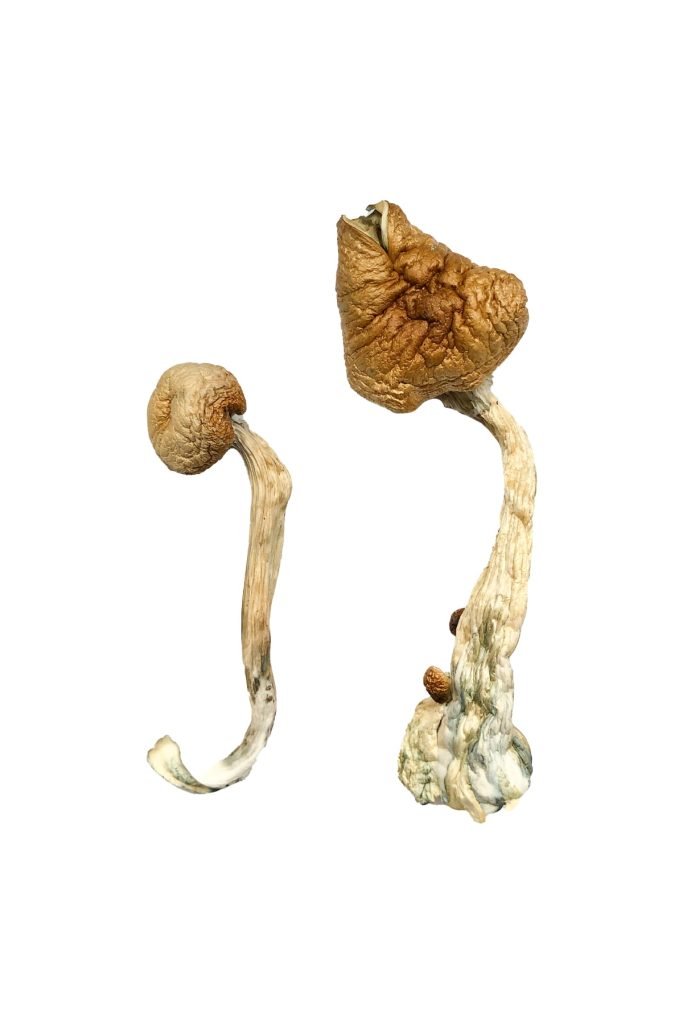
African Transkei Cubensis Spores
Research & Microscopy Specimens (Educational Use Only)
African Transkei cubensis spores are research specimens associated with a variant of the species Psilocybe cubensis. Within microscopy and taxonomy communities, this variant is referenced for its identifiable morphological traits and consistent structural characteristics under magnification.
These specimens are provided strictly for microscopy, taxonomy, and lawful educational research.
African Transkei Strain Overview
The African Transkei strain is a phenotypic variant within the species Psilocybe cubensis. In mycology and microscopy communities, it is commonly referenced for its identifiable structural traits and consistent spore morphology observed under magnification.
While “strain” terminology is widely used in informal discussions, it is important to clarify that African Transkei does not represent a separate species. Instead, it refers to a variant associated with geographic origin and observable phenotypic characteristics within Psilocybe cubensis.
Taxonomic Context of the African Transkei Variant
Understanding the African Transkei strain begins with the broader classification of Psilocybe cubensis:
-
Kingdom: Fungi
-
Phylum: Basidiomycota
-
Class: Agaricomycetes
-
Order: Agaricales
-
Genus: Psilocybe
-
Species: Psilocybe cubensis
Scientific literature indexed through institutions such as the National Institutes of Health provides foundational research on fungal morphology, classification systems, and species identification.
The African Transkei variant remains fully within this species classification. Observed differences relate to phenotype (physical presentation), not taxonomy.
Key Characteristics Associated With the African Transkei Strain
When discussing an African Transkei strain overview in a research context, focus is placed on structural traits observable under microscopy.
Commonly referenced characteristics include:
-
Dark purple-brown spore coloration (species-level trait)
-
Ellipsoid spore shape
-
Clear outer wall definition
-
Consistent morphology suitable for identification practice
These traits make African Transkei cubensis spores appropriate for educational microscopy exercises and taxonomy training.
Geographic & Naming Background
The name “African Transkei” is generally associated with a geographic region historically referenced in mycological discussions. In fungal taxonomy, strain naming conventions often derive from:
-
Geographic discovery locations
-
Collector attribution
-
Phenotypic observations
However, such naming does not indicate genetic reclassification unless formally recognized in taxonomic literature.
African Transkei Strain vs Other Cubensis Variants
Within Psilocybe cubensis, numerous variants are referenced in research communities. Comparative observation may involve:
-
Pigmentation differences
-
Surface presentation
-
Structural uniformity
It is essential to emphasize that these variations remain within expected intraspecies diversity.
Understanding phenotypic variation supports:
-
Taxonomy education
-
Morphological identification practice
-
Comparative mycology studies
Educational & Research Relevance
The African Transkei strain overview is most relevant in contexts such as:
-
Microscopy training
-
Fungal classification coursework
-
Morphology documentation exercises
-
Comparative variant analysis
Specimens associated with this variant are typically referenced in educational settings focused on structural observation and taxonomy.
Responsible Research Positioning
African Transkei cubensis spores are intended strictly for lawful microscopy and academic study. They are not intended for cultivation, consumption, or unlawful activity.
Researchers and students should always review applicable regulations in their jurisdiction before obtaining fungal specimens.
For general informational context on regulatory differences, readers may consult the Legal status of psilocybin mushrooms.
Psilocybe cubensis African Transkei Variant Explained
The Psilocybe cubensis African Transkei variant refers to a phenotypic subset within the species Psilocybe cubensis. In mycology and microscopy communities, this variant is commonly discussed in the context of structural observation, taxonomy, and species-level comparison.
It is important to clarify that African Transkei is not a separate species. Instead, it represents a named variant associated with geographic origin and observable phenotypic traits within the broader cubensis classification.
This distinction is central to understanding fungal taxonomy and classification systems.
Taxonomic Position Within Psilocybe cubensis
The African Transkei variant remains fully classified under:
- Kingdom: Fungi
- Phylum: Basidiomycota
- Class: Agaricomycetes
- Order: Agaricales
- Genus: Psilocybe
- Species: Psilocybe cubensis
Scientific literature examining Psilocybe cubensis has explored morphological diversity and genetic variation within the species. Peer-reviewed research indexed through organizations such as the National Institutes of Health provides broader biological context for species-level traits.
Variants like African Transkei exist within normal intraspecies variation.
What Defines the African Transkei Variant?
The term African Transkei typically reflects geographic association rather than taxonomic separation. Variant naming conventions in mycology often originate from:
- Geographic discovery location
- Phenotypic presentation
- Community-based identification history
- Research or documentation references
Within microscopy discussions, the African Transkei cubensis variant may be referenced for:
- Recognizable pigmentation patterns
- Consistent spore morphology
- Observable structural clarity under magnification
However, these differences remain within the expected phenotypic range of Psilocybe cubensis.
Morphological Characteristics of the African Transkei Variant
When examined under microscopy, African Transkei cubensis spores display species-consistent structural features.
Commonly observed traits include:
Spore Coloration
Dark purple-brown pigmentation, characteristic of the species.
Spore Shape
Ellipsoid geometry with smooth outer walls.
Structural Definition
Clear morphological boundaries suitable for educational microscopy exercises.
These characteristics make the variant appropriate for structured observation and taxonomy training.
Phenotypic Variation vs. Species Classification
Understanding the difference between phenotypic variation and taxonomic classification is essential.
- Phenotypic variation refers to observable differences in appearance or morphology.
- Taxonomic classification refers to formal biological categorization based on established scientific criteria.
The African Transkei variant reflects phenotypic diversity within the same species framework.
This concept is widely applicable in fungal biology and helps students understand how intraspecies diversity occurs without creating new species designations.
Why the African Transkei Variant Is Referenced in Microscopy Communities
In educational and research discussions, certain variants are referenced more frequently due to:
- Consistency in observable traits
- Clear structural presentation
- Documentation within community taxonomy discussions
African Transkei cubensis spores are sometimes selected in microscopy training because they provide visible structural markers suitable for identification exercises.
This makes the variant useful for:
- Morphology documentation
- Comparative taxonomy
- Fungal identification training
Educational & Research Context
The Psilocybe cubensis African Transkei variant is typically discussed in:
- Academic mycology coursework
- Taxonomy training modules
- Microscopy practice sessions
- Comparative fungal morphology studies
It is important to emphasize that references to this variant in educational settings focus strictly on structural and taxonomic characteristics.
African Transkei Cubensis Characteristics
The African Transkei cubensis characteristics refer to the observable structural and morphological traits associated with this variant of the species Psilocybe cubensis. Within microscopy and taxonomy communities, this variant is frequently discussed for its consistent spore morphology and phenotypic presentation.
It is important to understand that African Transkei is a variant within the Psilocybe cubensis species, not a separate species. Any distinguishing features are phenotypic (observable traits) rather than taxonomic differences.
Below is a detailed breakdown of African Transkei cubensis characteristics as studied in microscopy and educational settings.
Spore Coloration
One of the primary African Transkei cubensis characteristics is the dark purple-brown spore coloration, which is a defining species-level trait of Psilocybe cubensis.
Under magnification, spores typically display:
- Rich purple-brown pigment
- Uniform coloration
- Clear contrast against slide background
Spore pigmentation is an essential identifier in fungal taxonomy and helps confirm species classification during microscopy analysis.
Spore Shape & Geometry
African Transkei cubensis spores generally exhibit:
- Ellipsoid (oval) shape
- Smooth outer wall
- Symmetrical geometry
Spore shape is one of the most important diagnostic markers when identifying cubensis spores under magnification. Consistency in geometry makes this variant suitable for taxonomy training and morphology documentation exercises.
Surface Definition & Structural Clarity
When examining African Transkei cubensis spores under proper magnification, researchers may observe:
- Smooth spore wall structure
- Clear outer boundary definition
- Consistent structural integrity
Structural clarity is valuable in microscopy education because it allows students to practice accurate identification and documentation of fungal reproductive cells.
Phenotypic Variation Within the Species
The Psilocybe cubensis African Transkei variant may show subtle phenotypic differences compared to other cubensis variants. These differences can include:
- Pigmentation intensity
- Surface presentation
- Observable morphological nuances
However, it is important to emphasize:
These are phenotypic variations only and do not change the species classification.
All variants remain taxonomically classified as Psilocybe cubensis.
Basidia & Species-Level Traits
As with other cubensis variants, African Transkei specimens are associated with typical basidiomycete structural features, including:
- Basidia-bearing reproductive structures (species-level trait)
- Characteristic spore formation patterns
- Consistent morphology under proper microscopy conditions
Understanding these characteristics helps reinforce species identification principles in fungal biology coursework.
Microscopy Relevance of African Transkei Cubensis Characteristics
The study of African Transkei cubensis characteristics is particularly useful for:
- Microscopy training
- Taxonomy coursework
- Comparative morphology exercises
- Educational laboratory demonstrations
Because the structural markers align with established cubensis morphology, this variant is often used as a reference point in educational contexts.
For broader scientific background on fungal morphology and classification, researchers may consult peer-reviewed resources available through institutions such as the National Institutes of Health.
Comparing African Transkei to Other Cubensis Variants
When conducting comparative studies between cubensis variants, researchers typically evaluate:
- Spore coloration consistency
- Spore geometry
- Structural presentation
- Phenotypic range
African Transkei cubensis characteristics remain within the normal variation expected for Psilocybe cubensis, making it suitable for comparative taxonomy work without introducing taxonomic ambiguity.
Cubensis Spores for Microscopy: Educational Applications
Cubensis spores for microscopy are widely used in academic and educational environments to support the study of fungal morphology, taxonomy, and structural identification. Within the species Psilocybe cubensis, spores provide clear microscopic features that make them suitable for structured laboratory observation and training exercises.
In educational contexts, microscopy allows students and researchers to examine spore geometry, pigmentation, and defining morphological characteristics that contribute to species-level classification.
Why Cubensis Spores Are Studied Under Microscopy
Fungal spores play a central role in mycology education. When examined under appropriate magnification, cubensis spores can display:
- Ellipsoid shape
- Distinct outer wall boundaries
- Dark purple-brown pigmentation (species-level trait)
- Clear structural symmetry
These observable features make cubensis spores valuable for:
- Introductory mycology coursework
- Taxonomy demonstrations
- Spore identification exercises
- Comparative morphology analysis
Because the structural traits are well-documented in scientific literature, they provide a consistent specimen for microscopy training.
Educational Benefits of Studying Cubensis Spores
Using cubensis spores for microscopy supports several learning objectives:
Understanding Fungal Taxonomy
Students can observe how microscopic characteristics contribute to classification within the Basidiomycota phylum. Structural traits help differentiate genera and species within fungal taxonomy.
Practicing Morphological Identification
Microscopy sessions often require students to identify:
- Spore shape
- Pigmentation
- Surface texture
- Structural boundaries
Repeated observation strengthens pattern recognition and scientific documentation skills.
Developing Laboratory Technique
Educational microscopy training includes:
- Slide preparation practice
- Proper handling of specimens
- Controlled observation techniques
- Accurate data recording
Working with clearly visible spores enhances practical lab skills.
Microscopy in Academic and Research Settings
Fungal microscopy remains a foundational tool in biological sciences. Universities and research institutions use spore specimens to demonstrate:
- Morphological variation within species
- Differences between phenotypic variants
- Structural markers used in taxonomic classification
Peer-reviewed research indexed through organizations such as the National Institutes of Health highlights the importance of structural analysis in fungal biology and species documentation.
Comparative Study Applications
Cubensis spores for microscopy are often included in comparative exercises that involve:
- Examining multiple variants within Psilocybe cubensis
- Identifying shared species-level traits
- Observing phenotypic variation
These exercises help students understand that variant differences are typically phenotypic rather than taxonomic, reinforcing core principles of biological classification.
Responsible Educational Positioning
Cubensis spores are provided strictly for microscopy, taxonomy, and lawful research purposes. They are not intended for cultivation, consumption, or any unlawful activity.
Maintaining a clear educational focus ensures alignment with responsible research standards and academic best practices.
Cubensis spores for microscopy serve as valuable educational tools in the study of fungal morphology and taxonomy. Their clearly defined structural traits make them suitable for laboratory training, species identification practice, and comparative analysis exercises.
When used in lawful academic settings, they support foundational learning objectives in mycology and biological sciences.
Storage & Handling Guidelines
Proper storage plays an important role in preserving the structural integrity of African Transkei cubensis spores intended for microscopy and educational research. Maintaining stable environmental conditions helps protect observable characteristics and supports reliable examination under magnification.
To preserve specimen quality:
- Store African Transkei cubensis spores in a cool, stable environment, ideally refrigerated between 2–8°C.
- Keep specimens in their original sealed packaging until ready for microscopy use.
- Protect from prolonged exposure to direct light and excess humidity.
- Avoid freezing or sudden temperature fluctuations, which may compromise structural integrity.
- Use sterile tools and clean handling practices when preparing slides for observation.
Consistent storage conditions help maintain the morphological clarity expected when working with cubensis spores for microscopy. Proper handling also supports accurate taxonomy documentation and educational exercises involving the Psilocybe cubensis African Transkei variant.
By following responsible storage and laboratory practices, researchers and students can ensure that African Transkei cubensis characteristics remain observable and suitable for structured microscopy study.
Always handle research specimens responsibly and review local regulations before acquiring or studying fungal spores.
Frequently Asked Questions
What are African Transkei cubensis spores?
African Transkei cubensis spores are reproductive cells from a variant of Psilocybe cubensis, referenced in microscopy communities for educational and taxonomy study.
What are African Transkei cubensis characteristics?
They commonly display dark purple-brown coloration and ellipsoid geometry consistent with species-level traits.
Are cubensis spores intended for cultivation?
No. These specimens are intended strictly for microscopy and lawful educational research.
How should cubensis spores for microscopy be stored?
Store sealed in a cool, dark environment, ideally refrigerated between 2–8°C.
What makes the Psilocybe cubensis African Transkei variant distinct?
Distinctions are phenotypic and observable under magnification. Species classification remains unchanged.
Conclusion: African Transkei Cubensis Spores for Structured Research
In summary, African Transkei cubensis spores represent a documented phenotypic variant within the species Psilocybe cubensis that is frequently referenced in microscopy and taxonomy discussions. This Psilocybe cubensis African Transkei variant offers clearly observable structural traits that make it suitable for educational and research-based analysis.
Throughout this African Transkei strain overview, we explored key topics including taxonomy, morphology, and identifiable African Transkei cubensis characteristics such as spore coloration, ellipsoid geometry, and structural clarity under magnification. These attributes support structured observation exercises and comparative variant studies within fungal research contexts.
For students, educators, and microscopy enthusiasts, cubensis spores for microscopy provide an opportunity to better understand fungal classification, phenotypic variation, and species-level identification principles. African Transkei remains within the established taxonomic boundaries of Psilocybe cubensis, reinforcing its relevance in academic discussions of intraspecies diversity.
Be the first to review “african transkei magic mushrooms”
Related products
MAGIC MUSHROOM
Reviews
There are no reviews yet.