
Buy Albino A+ Magic Mushroom Online
Price range: $240.00 through $1,250.00
Albino A+ is a distinctive Psilocybe cubensis strain known for its pale, almost white appearance and unique genetic profile. The Albino A+ variety stands out among cubensis strains due to its reduced pigmentation and consistent morphology, making Albino A+ a widely recognized name in mycology discussions. As interest in Albino A+ continues to grow, it remains an important subject in scientific research, cultural history, and modern studies of psilocybin-containing fungi.
Albino A+ Psilocybe Cubensis: Complete Educational Guide to Characteristics, Science & Research
Introduction to Albino A+ Psilocybe Cubensis
The Albino A+ Psilocybe cubensis strain is a well-known and widely discussed variety within the Psilocybe cubensis species. It is recognized for its distinctive pale coloration and its place in modern mushroom cultivation culture.
This strain is often described as a selective albino or leucistic variant derived from traditional cubensis genetics. Because of its unusual appearance and strong presence in cultivation communities, Albino A+ has become a frequently referenced strain in mycology discussions.
Key Characteristics of Albino A+ Cubensis
Albino A+ mushrooms are primarily distinguished by their physical and genetic traits:
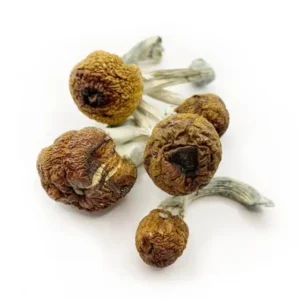
- Pale to white coloration due to reduced pigmentation
- Belongs to the Psilocybe cubensis species complex
- Often shows thick stems and medium-to-large fruiting bodies
- Known for visually distinct albino-like appearance
- Frequently studied in cultivation communities for stability and variation
These characteristics make Albino A+ one of the more recognizable cubensis variants.
Genetics and Taxonomy
Psilocybe cubensis is a widely studied species of psychoactive fungi within the genus Psilocybe. It is one of the most recognized species in mycology due to its broad distribution, genetic variability, and historical significance in both scientific and cultural contexts.
The Albino A+ lineage is commonly discussed within cultivation and research communities as a selectively isolated or leucistic variant of Psilocybe cubensis, showcasing how genetic expression can influence morphology while remaining within the same species classification.
Taxonomic Classification of Psilocybe cubensis
From a biological classification standpoint, Psilocybe cubensis is categorized as follows:
- Kingdom: Fungi
- Phylum: Basidiomycota
- Class: Agaricomycetes
- Order: Agaricales
- Family: Hymenogastraceae
- Genus: Psilocybe
- Species: Psilocybe cubensis
This classification places it within a large group of gilled fungi known for producing fruiting bodies with diverse ecological roles, primarily decomposers of organic material.
Understanding Genetics in Psilocybe cubensis
The genetics of Psilocybe cubensis are highly variable due to its ability to adapt to different environments and undergo selective isolation in cultivation contexts.
Key Genetic Characteristics
- High intraspecies diversity
- Strong adaptability to environmental conditions
- Frequent expression of phenotypic variation (size, color, morphology)
- Capacity for selective isolation in cultivated lines
- Genetic stability varies depending on lineage and propagation method
These traits make Psilocybe cubensis one of the most genetically flexible species within the Psilocybe genus.
Albino A+ and Genetic Expression
The Albino A+ line is often described as a phenotypic variant of Psilocybe cubensis, where genetic expression affects pigmentation and morphology.
Leucistic vs Albino Expression
In fungal genetics:
- Albino traits typically refer to near-complete absence of pigmentation
- Leucistic traits refer to partial loss or reduction of pigmentation
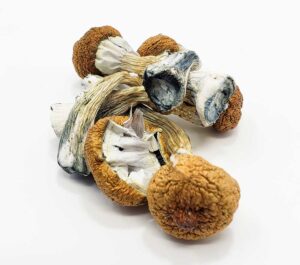
Albino A+ is frequently considered closer to a leucistic expression, as some specimens may retain slight coloration depending on environmental and genetic factors.
Strain vs Species: Scientific Clarification
A key concept in fungal taxonomy is the difference between species classification and strain naming.
Species
- Psilocybe cubensis is the scientifically recognized species
- Defined by genetic lineage and reproductive compatibility
Strain
- Albino A+ is not a separate species
- It is a cultivated genetic variation or isolate within Psilocybe cubensis
- Strain names are often used in cultivation communities for identification purposes rather than formal taxonomy
This distinction is important in modern mycology, where many “strain names” are not officially recognized taxonomic units.
Genetic Variation and Phenotypic Diversity
One of the most notable features of Psilocybe cubensis is its ability to display wide phenotypic diversity, including:
- Cap coloration (golden, white, cream, brown)
- Stem thickness and height variation
- Bruising reaction differences
- Growth pattern variability
- Environmental responsiveness
Albino A+ is an example of how selective cultivation can emphasize specific traits such as reduced pigmentation.
Selective Isolation in Cultivation Contexts
In applied mycology, genetic variation is often refined through selective isolation, where desirable traits are stabilized over multiple generations.
Common goals of isolation include:
- Consistent morphology
- Predictable growth patterns
- Stable pigmentation traits
- Uniform spore or tissue expression
Albino A+ is frequently referenced as a result of such selective processes within cultivated Psilocybe cubensis lines.
Evolutionary Context of Psilocybe cubensis
From an evolutionary perspective, Psilocybe cubensis is part of a broader group of fungi adapted to:
- Warm, humid climates
- Organic-rich decomposition environments
- Rapid colonization of nutrient substrates
Its genetic flexibility has contributed to its wide distribution and ecological success across tropical and subtropical regions.
Modern Research in Fungal Genetics
Recent mycological research has expanded understanding of:
- Fungal genome sequencing
- Gene expression in secondary metabolite production
- Phenotypic plasticity in fungi
- Evolutionary relationships within the Psilocybe genus
Although individual “strains” like Albino A+ are not always the focus of formal studies, they provide valuable observational data for genetic variability within the species.
Physical Appearance and Identification
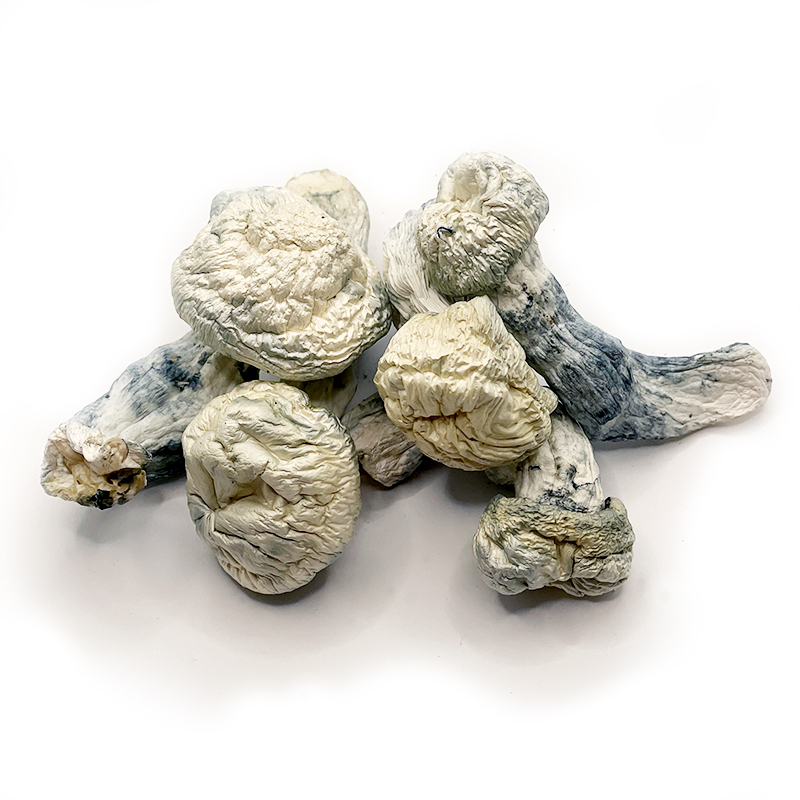
Albino A+ is commonly identified by its:
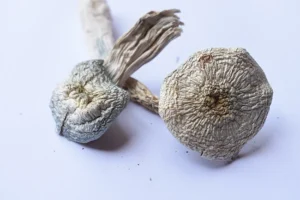
- Light cream or white caps
- Pale stems with reduced pigmentation
- Bluish bruising in some specimens (common in cubensis species)
- Medium-density fruiting bodies
Due to similarities with other pale mushroom species, accurate identification should always be performed with caution by experienced mycologists.
Psychoactive Compound Profile (Scientific Overview)
Like other Psilocybe cubensis strains, Albino A+ contains naturally occurring tryptamine compounds, primarily:
- Psilocybin
- Psilocin
- Baeocystin (in smaller amounts)
These compounds interact with serotonin receptors in the brain, particularly 5-HT2A receptors, influencing perception, cognition, and sensory processing in controlled research settings.
Effects Observed in Scientific and Clinical Literature
Research on psilocybin-containing mushrooms (not strain-specific) has documented a range of subjective and neurological effects:
- Altered sensory perception
- Changes in visual processing
- Emotional amplification and introspection
- Time perception distortion
- Increased pattern recognition and associative thinking
These effects vary widely depending on biological, psychological, and environmental factors.
Scientific Research on Psilocybin Mushrooms
Modern clinical studies have focused on psilocybin compounds rather than individual strains like Albino A+.
Areas of ongoing research include:
1. Mental Health Studies
Research has explored psilocybin’s potential role in:
- Depression (treatment-resistant cases)
- Anxiety disorders
- PTSD-related symptoms
2. Neuroplasticity Research
Studies suggest psilocybin may temporarily increase brain network connectivity, which is being investigated for therapeutic applications.
3. End-of-Life Anxiety Studies
Clinical trials have examined psilocybin-assisted therapy in patients experiencing anxiety related to terminal illness.
Cultivation Overview (High-Level Educational Context)
Albino A+ is often discussed in cultivation communities due to its stability and appearance.
General environmental factors studied in cultivation research include:
- Temperature sensitivity
- Humidity balance
- Air exchange dynamics
- Substrate compatibility
This section is provided for educational mycology understanding only and does not provide cultivation instructions.
Variability Among Albino and Leucistic Strains
Albino A+ is often compared with other similar cubensis variants, such as:
- Albino Penis Envy
- Albino Avery
- Leucistic cubensis strains
Differences typically include:
- Pigmentation levels
- Growth morphology
- Structural density
- Genetic stability
These variations are of particular interest in fungal genetics research.
Safety and Harm Reduction Information
Scientific literature emphasizes the importance of caution when discussing psychoactive fungi.
Key considerations include:
- Individual psychological sensitivity varies
- Potential for anxiety or confusion in altered states
- Importance of controlled environments in clinical research
- Avoidance of use in individuals with certain mental health vulnerabilities
Medical supervision is essential in all clinical applications.
Overview of Legal Status
The legal status of Albino A+ (a Psilocybe cubensis strain) depends heavily on regional laws governing psilocybin and other naturally occurring psychedelic compounds. In most countries, psilocybin-containing mushrooms are classified as controlled substances, meaning their possession, cultivation, or distribution is restricted or prohibited.
Although Albino A+ is a specific strain within the Psilocybe cubensis species, it is generally regulated under the same legal framework as other psilocybin mushrooms.
Global Regulation of Albino A+
In many jurisdictions, Albino A+ falls under national drug control laws due to its psilocybin content. These regulations are often influenced by international drug treaties, including the 1971 UN Convention on Psychotropic Substances.
As a result, most countries treat Albino A+ mushrooms as illegal or strictly controlled substances.
Countries with Strict Prohibition of Albino A+
In regions with strict drug enforcement laws, Albino A+ and other psilocybin mushrooms are typically illegal in all forms.
This may include prohibition of:
- Possession of Albino A+ mushrooms
- Cultivation or growing activities
- Sale or distribution
- Transportation across borders
Penalties vary depending on the country and quantity involved.
Decriminalization Trends Affecting A+ Cubensis
In recent years, some jurisdictions have shifted toward decriminalization policies related to psilocybin mushrooms, including strains such as A+ Cubensis.
Decriminalization generally means:
- Reduced or no criminal penalties for personal possession
- Law enforcement deprioritization
- Focus on public health approaches instead of punishment
However, Albino A+ remains illegal in most of these regions, even where enforcement is relaxed.
Medical and Research Exceptions
In select countries, psilocybin compounds found in A+ mushrooms are permitted for use in:
- Licensed clinical trials
- Medical research programs
- Controlled therapeutic studies
These programs are strictly regulated and conducted under professional supervision in approved institutions.
Natural Strain vs Controlled Substance Law
Although Albino A is a naturally occurring fungal strain, most legal systems do not differentiate between strains of Psilocybe cubensis. Instead, laws typically regulate based on chemical content, especially psilocybin and psilocin.
This means that Albino A+ is treated the same as other psilocybin mushroom varieties under the law.
Important Legal Variability by Region
The legal status of Albino A+ varies significantly depending on location:
- Country-level regulations
- State or provincial laws
- Local municipal enforcement policies
Because of this variation, individuals are advised to consult official legal resources specific to their region.
Frequently Asked Questions (FAQ)
What is albino a+ magic mushrooms ?
Albino A+ is a variant of Psilocybe cubensis known for its pale coloration and distinct morphology.
Is albino a+ magic mushrooms genetically stable?
It is considered relatively stable compared to some other cubensis isolates, though variation still occurs.
Is research on albino a+ magic mushrooms available?
Most scientific research focuses on psilocybin generally, rather than individual strains.
Why are albino mushrooms different in appearance?
Reduced pigmentation is typically linked to selective genetic expression affecting melanin-like compounds in fungi.
Conclusion
Albino A+ Psilocybe cubensis remains an important and widely discussed strain within the mycology and research communities. Its unique appearance, genetic background, and association with psilocybin research make it a subject of ongoing scientific interest.
As research into psilocybin advances, understanding of strains like A+ mushroom continues to evolve within legal and clinical frameworks.
it is also possible to get lab-tested, authenticity-verified LSD compounds — for example LSD 220ug Sheets, Mushroom Edibles, and LSD Blotter 500mcg — strictly for research use. Visit Shop
| Quantity | Ounce, Quarter Pound, 1/2 Pound, 1 Pound |
|---|
Only logged in customers who have purchased this product may leave a review.
Related products
MAGIC MUSHROOM
MAGIC MUSHROOM
MAGIC MUSHROOM
MAGIC MUSHROOM
MAGIC MUSHROOM
MAGIC MUSHROOM
MAGIC MUSHROOM
MAGIC MUSHROOM
Reviews
There are no reviews yet.