


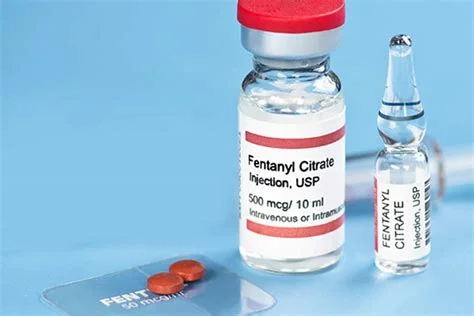
Fentanyl citrate injection
Price range: $350.00 through $2,250.00
Fentanyl Citrate Injection is a potent synthetic opioid analgesic belonging to the phenylpiperidine class. It is primarily indicated for use in anesthesia, perioperative pain management, and as a component of balanced anesthesia protocols. With an analgesic potency approximately 50 to 100 times greater than morphine, fentanyl citrate is indicated for both short-acting and prolonged sedation requirements in controlled medical environments such as operating rooms, intensive care units, and emergency departments.
Each milliliter of standard injection contains 50 mcg of fentanyl citrate, formulated for intravenous or intramuscular administration. Onset of action is rapid — typically within one to two minutes following IV bolus — making it particularly valuable for induction and maintenance of anesthesia, as well as for managing breakthrough pain in opioid-tolerant patients. Duration of analgesic effect ranges from 30 to 60 minutes depending on dose and patient-specific factors.
Healthcare providers should be aware of key safety information. Fentanyl Citrate Injection carries a boxed warning from the FDA highlighting risks of respiratory depression, addiction, abuse, and potentially fatal overdose. It is classified as a Schedule II controlled substance under the CSA due to its high potential for misuse. Contraindications include known hypersensitivity, severe respiratory compromise, and concurrent use with MAOIs within 14 days.
Common adverse effects include nausea, vomiting, bradycardia, hypotension, muscle rigidity, and sedation. Monitoring respiratory status, oxygen saturation, and level of consciousness is required during and after administration. Naloxone should be readily available for reversal of opioid effects in emergency situations.
For complete prescribing information, including dosage guidelines by weight, dilution instructions for continuous infusion, pediatric considerations, and geriatric adjustments, consult the full FDA-approved labeling. Always administer in settings equipped for advanced cardiac and respiratory monitoring.
Fentanyl Citrate Injection: A Comprehensive Guide to Medical Use and Safe Procurement
Fentanyl citrate injection represents a critical pharmaceutical intervention for managing severe pain conditions. This potent synthetic opioid analgesic belongs to the phenylpiperidine class of compounds and is approximately 80-100 times more potent than morphine. Medical professionals utilize this medication for specific clinical scenarios where less potent analgesics prove insufficient.
Understanding Fentanyl Citrate Injection
Fentanyl citrate injection contains fentanyl hydrochloride combined with citric acid in a sterile aqueous solution. The citrate form enhances the drug’s solubility and stability in injectable preparations. Healthcare providers typically administer this medication intravenously, intramuscularly, or via epidural routes depending on the clinical situation and required onset of action.
The pharmacological mechanism involves binding to μ-opioid receptors in the central nervous system, altering the perception of and response to pain while producing marked sedation. Due to its rapid onset (1-2 minutes when administered intravenously) and relatively short duration of action (30-60 minutes), fentanyl citrate injection proves particularly valuable in acute pain management and anesthesia protocols.
Clinical Applications and Indications
Perioperative Pain Management
Anesthesiologists frequently incorporate fentanyl citrate injection into balanced anesthesia techniques to provide analgesia during surgical procedures. Its rapid onset and minimal histamine release compared to morphine make it especially suitable for patients with cardiovascular compromise. The medication effectively blunts sympathetic responses to surgical stimuli, contributing to hemodynamic stability throughout procedures.
Cancer-Related Pain Management
For cancer patients experiencing breakthrough pain episodes, fentanyl citrate injection offers rapid relief when administered in appropriate clinical settings. Oncologists may prescribe this medication for patients who have developed tolerance to other opioids or require immediate pain control during acute pain crises.
Chronic Pain Management
In carefully selected patients with severe chronic pain unresponsive to other treatments, pain management specialists might utilize fentanyl citrate injection as part of a comprehensive pain management strategy. Such use requires extensive patient assessment, careful monitoring, and typically follows failure of less potent analgesic approaches.
Safety Considerations and Risk Mitigation
The potency of fentanyl necessitates stringent safety protocols in healthcare settings. Medical facilities implementing fentanyl citrate injection protocols must establish:
- Double-check verification processes before administration
- Availability of opioid antagonists (naloxone) for emergency reversal
- Continuous monitoring of respiratory status and oxygen saturation
- Documentation requirements for accountability and tracking
- Secure storage protocols to prevent diversion
Healthcare providers receive specialized training regarding appropriate dosing calculations, administration techniques, and recognition of adverse effects. Patients receiving fentanyl citrate injection require careful monitoring for respiratory depression, particularly when combined with other central nervous system depressants.
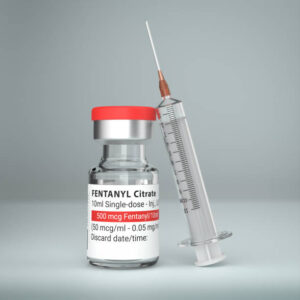
Procurement Guidelines for Healthcare Facilities
Healthcare institutions seeking to buy fentanyl citrate injection must navigate specific regulatory requirements due to its Schedule II controlled substance classification. The procurement process typically involves:
- DEA registration verification for authorized purchasers
- Maintenance of comprehensive record-keeping systems
- Implementation of secure storage and inventory management
- Establishment of chain-of-custody documentation
- Compliance with state-specific controlled substance regulations
When searching for reputable suppliers to buy fentanyl citrate injection online, healthcare facilities should verify:
- Valid pharmacy licensing and accreditation
- Compliance with FDA regulations for drug distribution
- Proper temperature-controlled shipping protocols
- Authenticity verification mechanisms
- Customer support availability for healthcare professionals
Quality Assurance and Authentication
The increasing concern regarding counterfeit pharmaceutical products makes authentication critical when you buy fentanyl citrate injection. Healthcare providers should implement verification processes including:
- Examination of packaging for tampering evidence
- Verification of lot numbers and expiration dates
- Confirmation of manufacturer authenticity
- Assessment of solution clarity and particulate presence
- Documentation of any unusual characteristics
Reputable suppliers offering fentanyl citrate injection for sale will readily provide documentation regarding their supply chain integrity and quality control measures.
Cost Considerations and Insurance Coverage
The financial aspects of obtaining fentanyl citrate injection vary significantly based on:
- Healthcare facility purchasing agreements
- Geographic location and regional pricing structures
- Insurance coverage policies and reimbursement rates
- Generic versus brand-name preparations
- Volume purchasing arrangements
Patients seeking to buy cheap fentanyl citrate injection online should exercise extreme caution, as significantly reduced pricing may indicate counterfeit products or unauthorized distribution channels. Legitimate pharmaceutical pricing typically reflects manufacturing costs, regulatory compliance expenses, and quality control measures.
Regulatory Compliance and Legal Requirements
The procurement and administration of fentanyl citrate injection occurs within a highly regulated environment due to its abuse potential and public health concerns. Healthcare providers must maintain compliance with:
- Controlled Substances Act requirements
- DEA registration and reporting obligations
- State pharmacy board regulations
- Prescription Drug Monitoring Program participation
- Secure storage and inventory management protocols
When determining where to buy fentanyl citrate injection near me, healthcare facilities must verify that suppliers maintain all necessary licenses and comply with regulatory requirements for controlled substance distribution.
Frequently Asked Questions
What is the standard concentration of commercially available fentanyl citrate injection?
Commercially available fentanyl citrate injection typically comes in concentrations of 50 μg/mL (micrograms per milliliter) in multi-dose vials or ampules containing 2 mL or 5 mL solutions. Some specialized formulations may offer different concentrations for specific clinical applications. Healthcare professionals should always verify concentration information before administration to prevent dosing errors.
How does fentanyl citrate injection compare to other opioid analgesics in terms of efficacy?
Fentanyl citrate injection demonstrates significantly higher potency than morphine, with approximately 80-100 times the analgesic effect on a microgram-to-milligram basis. Its rapid onset of action and cardiovascular stability profile make it preferable in certain clinical situations, particularly for patients requiring hemodynamic stability during anesthesia or those with renal impairment where morphine metabolites might accumulate.
What precautions should healthcare providers take when administering fentanyl citrate injection?
Healthcare professionals administering fentanyl citrate injection should implement several key precautions:
- Continuous monitoring of respiratory rate and oxygen saturation
- Availability of naloxone for emergency reversal
- Careful dose titration based on patient-specific factors
- Awareness of potential drug interactions, particularly with other CNS depressants
- Special consideration for elderly, debilitated, or opioid-tolerant patients
What are the most common side effects associated with fentanyl citrate injection?
The most frequently observed side effects of fentanyl citrate injection include:
- Respiratory depression (the most serious adverse effect)
- Nausea and vomiting
- Constipation
- Drowsiness and sedation
- Confusion or delirium (particularly in elderly patients)
- Muscle rigidity (rare but potentially serious)
- Hypotension
Healthcare providers should monitor patients closely for these effects, particularly during the initial administration period.
How should healthcare facilities properly store fentanyl citrate injection?
Proper storage of fentanyl citrate injection requires:
- Secure, locked storage in a controlled substances cabinet
- Temperature control between 20-25°C (68-77°F)
- Protection from light and freezing
- Separate storage from other medications to prevent mix-ups
- Regular inventory reconciliation and documentation
- Limited access to authorized personnel only
Facilities implementing these protocols ensure medication integrity while preventing diversion or misuse.
What documentation requirements exist when ordering fentanyl citrate injection?
When you order fentanyl citrate injection online, healthcare facilities must maintain:
- Valid DEA registration documentation
- Authorized practitioner signature on orders
- Complete receiving records with lot numbers and expiration dates
- Chain-of-custody documentation
- Inventory reconciliation records
- Disposal documentation for unused or expired medication
These documentation requirements support regulatory compliance and prevent diversion throughout the supply chain.
How can patients verify the authenticity of fentanyl citrate injection?
Patients receiving fentanyl citrate injection in healthcare settings can verify authenticity by:
- Confirming administration by licensed healthcare professionals
- Checking for proper labeling with drug name, concentration, and lot number
- Observing the solution clarity (should be clear and free of particulates)
- Verifying packaging integrity
- Reporting any unusual characteristics to healthcare providers
For outpatient prescriptions, patients should use only reputable pharmacies and avoid suspicious online vendors offering significantly discounted prices.
What emergency reversal measures should be available when using fentanyl citrate injection?
Healthcare facilities utilizing fentanyl citrate injection must maintain:
- Immediate availability of naloxone hydrochloride for opioid reversal
- Established protocols for respiratory support and monitoring
- Emergency equipment for airway management
- Staff training in recognition and management of opioid overdose
- Clear documentation of reversal agent administration
These preparedness measures ensure rapid response to adverse events, particularly respiratory depression.
How does the cost of fentanyl citrate injection compare to other opioid analgesics?
The cost comparison between fentanyl citrate injection and other opioid analgesics varies based on:
- Formulation (generic vs. brand name)
- Concentration and packaging size
- Purchasing agreements and volume discounts
- Geographic location and supplier relationships
- Insurance coverage and reimbursement rates
While fentanyl may appear more expensive on a per-dose basis, its potency and efficacy profile may result in overall cost-effectiveness in specific clinical scenarios.
What alternatives exist for patients who cannot tolerate fentanyl citrate injection?
For patients experiencing intolerance to fentanyl citrate injection, healthcare providers might consider:
- Morphine or hydromorphone for alternative opioid analgesia
- Non-opioid analgesics (NSAIDs, acetaminophen) for adjunctive therapy
- Regional anesthesia techniques for procedural pain
- Ketamine or other non-opioid agents in specific situations
- Combination approaches utilizing multiple analgesic mechanisms
Special Considerations for Specific Patient Populations
Geriatric Patients
Elderly patients receiving fentanyl citrate injection require special consideration due to age-related physiological changes. The pharmacokinetics of fentanyl demonstrate significant alterations in this population, with increased sensitivity to opioid effects and prolonged duration of action. Healthcare providers should implement:
- Reduced initial dosing (typically 25-50% of standard adult doses)
- Extended monitoring periods post-administration
- Careful assessment of renal and hepatic function
- Increased vigilance for cognitive effects and delirium
- Gradual dose titration with extended intervals between adjustments
These precautions help minimize adverse effects while maintaining adequate analgesia for geriatric patients.
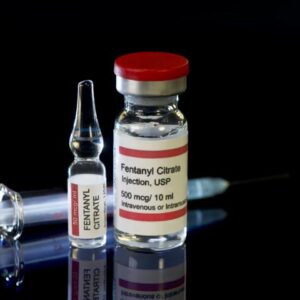
Pediatric Patients
The use of fentanyl citrate injection in pediatric populations requires specialized dosing calculations based on weight rather than standard adult protocols. Pediatric anesthesiologists and pain management specialists must consider:
- Age-appropriate dosing (typically 1-2 μg/kg for moderate pain)
- Increased sensitivity to respiratory depressant effects
- Potential for delayed clearance in neonates and infants
- Specialized monitoring equipment for pediatric patients
- Age-appropriate pain assessment tools
Pediatric formulations may require dilution to enable accurate dosing for smaller patients, necessitating careful preparation protocols to prevent medication errors.
Patients with Renal or Hepatic Impairment
Patients with compromised renal or hepatic function demonstrate altered clearance of fentanyl citrate injection, requiring dose modifications and enhanced monitoring:
- Reduced initial dosing (typically 25-50% reduction)
- Extended dosing intervals to prevent accumulation
- Increased monitoring for sedation and respiratory depression
- Consideration of alternative analgesic approaches
- Careful documentation of organ function parameters
These modifications help prevent toxicity while maintaining adequate pain control for patients with organ impairment.
Opioid-Tolerant Patients
Patients with established opioid tolerance require individualized approaches to fentanyl citrate injection administration:
- Higher initial dosing may be necessary to achieve analgesic effect
- Careful assessment of baseline opioid consumption
- Consideration of cross-tolerance between different opioid agents
- Monitoring for signs of withdrawal or inadequate analgesia
- Documentation of tolerance status in medical records
Pain management specialists often develop patient-specific protocols that account for individual tolerance levels and previous opioid exposure.
Integration with Multimodal Analgesia Strategies
Contemporary pain management approaches increasingly incorporate fentanyl citrate injection as part of multimodal analgesia protocols. These strategies combine opioid and non-opioid medications to enhance pain relief while minimizing individual drug side effects. Effective multimodal approaches might include:
- Combination with NSAIDs for synergistic analgesic effects
- Adjunctive use of gabapentinoids for neuropathic pain components
- Incorporation of regional anesthesia techniques when appropriate
- Scheduled administration of acetaminophen for baseline pain control
- Consideration of low-dose ketamine for opioid-sparing effects
These comprehensive approaches often allow for reduced opioid requirements while maintaining or improving overall pain control.
Healthcare Provider Education and Training Requirements
The safe and effective use of fentanyl citrate injection requires specialized education and training for healthcare providers. Comprehensive training programs should include:
- Detailed pharmacology and mechanism of action
- Proper dose calculation and administration techniques
- Recognition and management of adverse effects
- Emergency response protocols for opioid toxicity
- Documentation requirements and regulatory compliance
Simulation-based training provides valuable experience in managing complications and rare adverse events, enhancing provider confidence and patient safety.
Research and Development in Fentanyl Formulations
Pharmaceutical research continues to advance the development of novel fentanyl citrate injection formulations and delivery systems. Current areas of investigation include:
- Extended-release formulations for prolonged analgesic effect
- Alternative delivery routes (transdermal, intranasal, buccal)
- Abuse-deterrent formulations to minimize misuse potential
- Combination products incorporating multiple analgesic mechanisms
- Targeted delivery systems for specific pain conditions
These developments aim to enhance efficacy while improving safety profiles and reducing abuse potential.
Public Health Considerations and Diversion Prevention
The opioid crisis has heightened awareness regarding the potential for diversion of medications including fentanyl citrate injection. Healthcare facilities must implement comprehensive diversion prevention programs:
- Secure storage with restricted access
- Regular inventory reconciliation and discrepancy investigation
- Waste documentation protocols for partial doses
- Staff education regarding diversion recognition
- Implementation of prescription drug monitoring programs
These measures help ensure appropriate use while preventing diversion for non-medical purposes.
Future Directions in Pain Management
The field of pain management continues to evolve with new approaches to treating severe pain while minimizing opioid-related risks. Future directions may include:
- Enhanced understanding of pain mechanisms and novel therapeutic targets
- Personalized medicine approaches based on genetic factors
- Non-pharmacological interventions with demonstrated efficacy
- Improved risk assessment tools for opioid therapy
- Development of alternative analgesics with reduced abuse potential
These advancements may eventually reduce reliance on potent opioids like fentanyl citrate injection while maintaining effective pain control.
Conclusion
Fentanyl citrate injection remains a critical tool in the management of severe acute pain and specific chronic pain conditions. Its potency and rapid onset of action make it particularly valuable in anesthesia and perioperative medicine, while its unique pharmacological profile offers advantages for certain patient populations.
Healthcare providers seeking to buy fentanyl citrate injection must navigate a complex regulatory environment while ensuring quality and authenticity. The procurement process requires careful attention to licensing requirements, quality assurance measures, and secure storage protocols. When determining where to buy fentanyl citrate injection near me, healthcare facilities should prioritize suppliers with demonstrated compliance with regulatory requirements and robust quality control systems.
The decision to order fentanyl citrate injection online should incorporate thorough verification of supplier credentials, authentication processes, and secure shipping protocols. Healthcare facilities implementing these medications must establish comprehensive safety protocols including staff education, emergency preparedness, and diversion prevention measures.
For patients requiring fentanyl citrate injection, healthcare providers must carefully assess individual risk factors, implement appropriate monitoring strategies, and consider multimodal analgesia approaches to minimize opioid requirements. The medication’s potency demands respect for its potential adverse effects, particularly respiratory depression, while recognizing its valuable role in managing severe pain.
As the landscape of pain management continues to evolve, fentanyl citrate injection will likely maintain its important place in clinical practice while being complemented by emerging therapies and approaches. The ongoing challenge for healthcare providers involves balancing effective pain control with safety considerations, regulatory compliance, and public health concerns.
Through appropriate education, careful patient selection, vigilant monitoring, and comprehensive safety protocols, healthcare providers can utilize fentanyl citrate injection effectively while minimizing risks and optimizing outcomes for patients with severe pain. The medication’s value in clinical practice depends on responsible use within established guidelines and appropriate clinical contexts.
Shop Pain Relief grown naturally for better taste and wellness.
Discover more options—such as Mdma, Fentanyl Pills, and Fentanyl patch
| Quantity | 50 ug/ml Injection 50 ml, 50 ug/ml Injection 100 ml, 50 ug/ml Injection 200 ml, 50 ug/ml Injection 500 ml |
|---|
Only logged in customers who have purchased this product may leave a review.
Related products

PAIN RELIEF PILLS
PAIN RELIEF PILLS
PAIN RELIEF PILLS
PAIN RELIEF PILLS
PAIN RELIEF PILLS

PAIN RELIEF PILLS
PAIN RELIEF PILLS
Reviews
There are no reviews yet.